How Often Should You Water Your Hemp agrimony?
1
Provide moisture to your Hemp agrimony weekly to maintain consistently damp, but not soggy, soil.
2
In periods of drought or high temperatures, elevate watering frequency to twice weekly to avoid plant desiccation.
3
Employ a humidity sensor to confirm proper soil hydration without excessive saturation.
Grasping the Hydration Requirements of Hemp Agrimony
Factors Affecting Water Needs?
The water demands of Hemp agrimony can differ based on several elements like climate, soil composition, and plant maturity. In warmer regions, the soil tends to dry out more quickly, necessitating more frequent irrigation. Well-draining sandy soils might also need more regular watering compared to clay soils that hold moisture longer. Younger plants with less developed root systems may require more frequent watering than older, established ones.
Indicators of Adequate Hydration
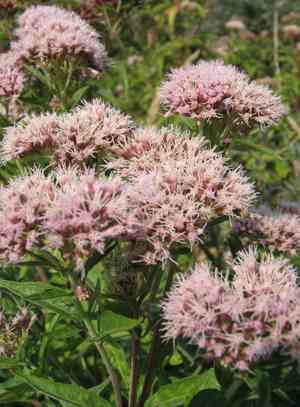
A properly hydrated Hemp agrimony will display vibrant, green foliage and vigorous development. Leaves will be firm and not drooping, and stems will stand erect. If the plant begins to show signs of wilting or yellowing leaves, it could indicate either insufficient or excessive watering. Continuously observe the plant's overall appearance as it will provide the initial clue to its hydration status.
Effective Watering Techniques for Hemp Agrimony
Optimal Watering Practices
To water Hemp agrimony effectively, aim to keep the soil damp but not saturated. Irrigate the plant once a week, ensuring the water penetrates deeply to the root zone. It is best to water in the early morning or late evening to minimize evaporation. During particularly hot periods or drought conditions, increase watering to twice a week. Utilizing rainwater or dechlorinated water is beneficial as it lacks chemicals that can accumulate in the soil.
Common Watering Errors to Avoid
Prevent over-watering, which can lead to root rot and other fungal diseases. Ensure your plant's container has adequate drainage to prevent water from collecting at the bottom. Also, avoid directly watering the foliage as this can encourage disease; always water at the plant's base. Be careful not to let the soil completely dry out between waterings, as this can stress the plant.
When to Modify Your Watering Schedule
Seasonal Watering Adjustments
Adjust your watering routine according to the season. During the peak growth period in spring and summer, Hemp agrimony will demand more frequent watering due to increased growth and higher evaporation rates. In autumn and winter, reduce watering frequency as the plant's growth slows and cooler temperatures decrease moisture loss.
Adjusting Water Based on Plant Vigor
Monitor the health of your Hemp agrimony and modify watering accordingly. If you notice signs of water stress such as wilting, yellowing, or dropping leaves, assess your watering regimen. Increase or decrease the frequency as needed. Also, check for signs of pests or diseases that might impact water uptake and address those issues promptly.
Advanced Tips for Hydrating Hemp Agrimony
Utilizing Moisture Meters for Accuracy
Investing in a moisture meter can provide precise data on the soil's moisture levels, helping you make informed decisions about when to irrigate. Insert the meter into the soil near the root zone of your Hemp agrimony and check the reading. Aim to maintain a consistent moisture level that is neither too dry nor too wet.
Mulching and Other Moisture Retention Methods
Applying mulch around the base of your Hemp agrimony can help retain soil moisture, reduce evaporation, and keep the root zone cooler. Organic mulches like straw, wood chips, or compost are advantageous. Additionally, consider using drip irrigation systems for more efficient watering and to minimize water waste.



