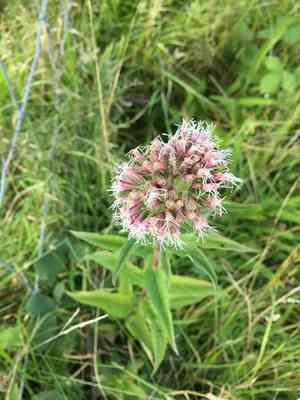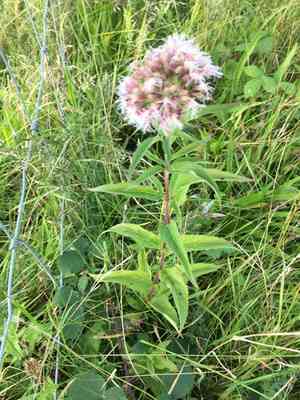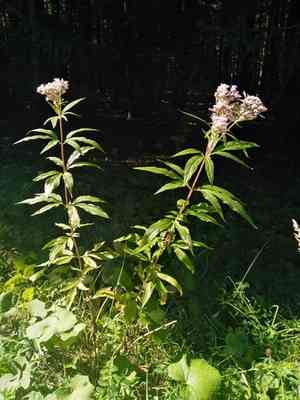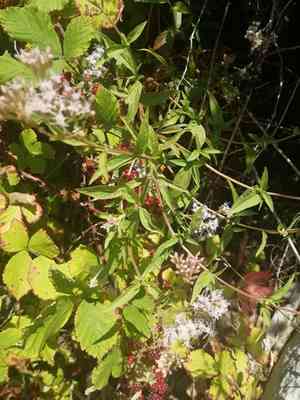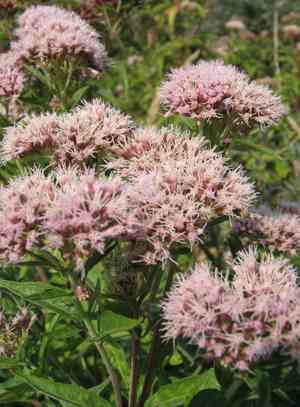
Hemp agrimony(Eupatorium cannabinum)

Hemp agrimony (Eupatorium cannabinum)

Also known as: Water hemp agrimony

Hemp agrimony (Eupatorium cannabinum) is a perennial native to Europe and occasionally grown as an ornamental in regions of China and North America. From summer to fall, it produces pink or purple flowers that are particularly appealing to butterflies and other pollinators.

Attributes of Hemp agrimony

Lifespan
Perennial, Annual
Plant Type
Herb
Plant Height
1.5 m
Spread
1.2 m
Leaf Color
Green
Flower Size
5 cm to 8 cm
Flower Color
Pink Purple White

ForwardPlant - Identify plants with a snap

Identify and diagnose plants, get toxicity alerts, and explore safety guides for all types of fungi.

Try for Free

Images of Hemp agrimony

Hemp agrimony(Eupatorium cannabinum)

Quickly Identify Hemp agrimony

1
The plant can be identified by its tall, erect stems that can reach up to 1.5 meters in height. Its leaves are opposite, serrated, and can resemble those of the hemp plant. The flowers are small, pinkish-purple, and appear in dense, flat-topped clusters.

Scientific Classification of Hemp agrimony

Phylum
Vascular plants
Class
Dicotyledons
Order
Asterales
Family
Daisy
Genus
Bonesets
Species
Hemp agrimony

Planting and Growing of Hemp agrimony

Care Difficulty
Easy
Watering Schedule
Every 3 days
Sunlight Requirements
Partial sun
Sunshine Duration
6-10 hours
Ideal Temperature
68-77℉
Soil Type
Potting Mix, Peat Mix
Soil pH
6.5-7.5
Fertilizer Type
Balanced
Pruning Season
Spring, Summer
Pruning Area
Branches, Leaves
Pruning Frequency
2 times a year
Repotting Season
Spring
Pot Type
Plastic, Ceramic

water icon How to Water Hemp agrimony?

Eupatorium cannabinum appreciates a generous watering, typically around 500 ml each time. Aim to water it thoroughly so that the soil is soaked but not waterlogged. Allow the top layer of the soil to dry slightly between waterings to ensure it does not remain saturated.
What are the symptoms of an underwatered Hemp agrimony?
What should I do if my Hemp agrimony is not getting enough water?
What are the symptoms of an overwatered Hemp agrimony?
How to save an overwatered Hemp agrimony?
More About Watering Techniques

sunlight icon What Are the Sunlight Requirements for Hemp agrimony?

Sunlight Requirements: Partial sun
Duration of light: 4 to 6 hours
Eupatorium cannabinum's optimal condition is partial sun. Half-day sun makes their flowers vibrant and ensures lush growth. Proper lighting prevents legginess and enhances blooming.
Question: How much sunlight is ideal?
Question: What solutions exist for optimizing sunlight?
Question: Why achieving these light conditions is beneficial?
More About Sunlight Requirements Techniques

temperature icon What Is the Ideal Temperature Range for Hemp agrimony?

Ideal Temperature: 68 ~ 77℉
Eupatorium cannabinum thrives best within a temperature range of 68 to 77°F. These temperatures emulate its native summer environment, promoting optimum growth and vitality. The warmth during these temperatures supports photosynthesis and nutrient uptake efficiently.

soil icon What Soil is Best for Hemp agrimony?

Soil type: Loam, Sandy loam, Peat soil
Soil PH: 6.5 ~ 7.5
Eupatorium cannabinum thrives in moist soil that drains well, preventing waterlogging while providing consistent moisture. This balance helps ensure the plant's roots receive adequate oxygen, promoting healthy growth and lush foliage. A rich soil brimming with organic matter supports Eupatorium cannabinum by providing essential nutrients, promoting vigorous growth and enhanced resilience against pests and diseases. Preferring a soil pH between 6.5 and 7.5, Eupatorium cannabinum benefits from neutral to slightly alkaline conditions, ensuring optimal nutrient uptake and avoiding nutrient lock-out. More About Soil

fertilize icon How to Fertilize Hemp agrimony?

Fertilizer type: Balanced
Eupatorium cannabinum benefits from a balanced approach to fertilization. Typically, you should apply about half the recommended dose on the fertilizer label, as this plant is sensitive to excessive nutrients. A little goes a long way, ensuring strong growth without overwhelming the roots or leaves. More About Fertilizing Techniques

prune icon How to Prune Hemp agrimony?

Pruning Time: Spring, Autumn
Start by identifying older, woody stems that may not produce new flowers. These should be the first to go as removing them will allow more energy for younger, flowering shoots. Prune the plant back after it has finished blooming to prepare it for the next flowering season. Cut just above a healthy bud to encourage the development of new shoots. Throughout the growing season, remove spent flowers as they fade. This process, known as deadheading, encourages more prolific blooming and keeps the plant looking tidy. More About Pruning Techniques

propagate icon How to Propagate Hemp agrimony plant?

Propagate Time: Spring, Early spring, Late spring, Summer
1
Collect seeds from mature Eupatorium cannabinum flowers. Dry the seeds in a cool, dry place before sowing. This helps ensure germination success by eliminating moisture-induced rot.
2
Select healthy, mature stems from the parent plant. The chosen stem should be disease-free and approximately 4-6 inches long to maximize root development potential during propagation.
3
Gently dig up mature plants and shake off excess soil. Use a sharp knife or spade to separate the roots. Each division should have a healthy root system and at least one shoot before replanting.
More About Propagating Techniques

repot icon How to Repot Hemp agrimony plant?

Repotting frequency: Every 2-3 years
1
Eupatorium cannabinum shows it's time for a repotting when roots start creeping out of the drainage holes, or when growth visibly slows. These signals suggest the plant's current home is a bit too cramped, hinting it's ripe for more room.
2
Picking a pot for Eupatorium cannabinum should be like selecting shoes for a growing child—a size up to allow expansion without being excessively large. Suitable pots foster steady growth by offering ample space for roots to stretch and thrive.
3
The soil for Eupatorium cannabinum should be a moist, well-draining mix. Such a mix ensures that the plant receives enough moisture without waterlogging, promoting healthy root development and reducing risks of root rot.

ForwardPlant - Identify plants with a snap

Find the best spots for them to optimize their health, simply using your phone.

Try for Free

Toxicity of Hemp agrimony

Is Hemp agrimony toxic to humans?

Hemp agrimony is classified as having a moderate degree of toxicity to humans, mainly via ingestion. Every part of the plant contains toxic compounds that may result in poisoning. When any portion of hemp agrimony is ingested, individuals might encounter various symptoms stemming from the presence of pyrrolizidine alkaloids. These symptoms can range from gastrointestinal issues like nausea and vomiting to liver damage, which might appear as jaundice or discomfort in the liver region. The intensity of these symptoms can differ based on the quantity consumed and individual susceptibility. Since all sections of hemp agrimony are toxic, it is crucial to exercise caution to avoid accidental consumption, especially as hemp agrimony is rarely eaten as food.

Is Hemp agrimony toxic to cat?

Hemp agrimony presents a moderate toxicity risk to cats. Should a cat inadvertently consume any portion of this plant, it may suffer from harmful effects. The entire plant is toxic, as it contains pyrrolizidine alkaloids, which could result in health issues upon ingestion. The appearance of symptoms may differ, and while distinct signs of distress may not be obvious, ingesting hemp agrimony can lead to physical discomfort and symptoms suggestive of illness in cats. In cases of accidental exposure, it is crucial to obtain prompt veterinary assistance to minimize any potential negative reactions.

Is Hemp agrimony toxic to dog?

Hemp agrimony presents a moderate toxicity hazard for dogs. Canines may inadvertently consume parts of hemp agrimony, leading to potential poisoning. The entire plant is considered toxic, meaning any ingested portion could be harmful. After consuming hemp agrimony, dogs might show symptoms such as vomiting, diarrhea, lethargy, or more serious signs depending on the quantity ingested. The toxicity of hemp agrimony is primarily due to the presence of pyrrolizidine alkaloids. If there is a suspicion that a dog has ingested hemp agrimony, it is crucial to seek immediate veterinary assistance to ensure the best possible outcome.

Identify toxic plants for your safety

Learn which plants are harmful to you and your pets, and make informed choices for a safer home!

Try for Free
WARNING
The judgment on toxicity and danger is for reference only. We DO NOT GUARANTEE any accuracy of such judgment. Therefore, you SHALL NOT rely on such judgment. It is IMPORTANT TO SEEK PROFESSIONAL ADVICE in advance when necessary.
More About Toxic Techniques