How Often Should You Water Your Downy birch?
1
Provide moisture to your Downy birch bi-weekly to sustain ideal soil dampness.
2
Check the soil's wetness daily in warm conditions to avoid desiccation.
3
Refrain from utilizing softened water, as its elevated sodium levels can damage your Downy birch.
Grasping the Hydration Requirements of a Downy Birch
Water's Importance for Downy Birch Vitality
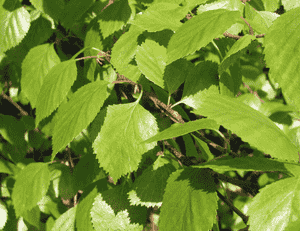
Water is essential for your Downy birch's well-being. This resilient tree, recognized for its striking silver-white bark and abundant green foliage, relies on consistent and sufficient hydration to flourish. Water facilitates nutrient absorption, photosynthesis, and overall cellular functions. Ensuring your Downy birch receives the correct amount of water will foster a robust root system, healthier leaves, and improved resistance to pests and diseases.
Indicators of Insufficient Hydration
Recognizing the signs of inadequate watering can protect your Downy birch from severe damage. If the tree doesn't get enough water, you might observe drooping leaves, leaf burn, or yellowing foliage. Furthermore, the tree may exhibit stunted growth and heightened vulnerability to illnesses. Regular inspection for these indicators can help maintain an effective watering regimen.
Consequences of Excessive Watering
While providing your Downy birch with ample water is vital, overwatering can be equally harmful. Excessive watering can lead to root rot, a condition where roots become saturated and oxygen-deprived. This can cause otherwise healthy leaves to turn yellow and fall off. The soil should drain well, and water should only be applied when necessary to avoid creating a waterlogged environment.
Optimal Watering Practices for a Downy Birch
When to Hydrate: Determining the Ideal Period
The best time to water your Downy birch is in the early morning or late evening. Watering during these hours minimizes evaporation, allowing more moisture to reach the roots. This is especially crucial during hot summer months. Additionally, watering at these times can prevent potential leaf scorching caused by midday sun on wet foliage.
Quantity of Water to Apply
For a Downy birch, consistent watering twice weekly is generally advised. However, the precise amount can vary based on the local climate, soil type, and tree age. Typically, you should provide enough water to moisten the soil to a depth of approximately 30 cm (12 inches). In imperial units, this is roughly 3-4 gallons (11-15 liters) of water per session. Always check soil moisture before watering to prevent over-saturation.
Selecting Appropriate Watering Implements and Methods
Choosing the right tools and techniques can significantly impact how effectively your Downy birch absorbs water. A soaker hose or drip irrigation system is most effective as they allow water to slowly permeate the soil, reaching the root zone efficiently. Avoid overhead sprinklers, which can waste water through evaporation and may not provide deep soil penetration. Applying mulch around the tree's base can also help retain moisture.
Seasonal Watering Adjustments for Downy Birch
Modifying Watering During the Active Growth Period
During the growing season, typically from spring through early autumn, your Downy birch will require more frequent watering. As the tree actively develops, it consumes more water. Ensure the soil remains consistently moist but not waterlogged. Monitoring weather conditions is crucial; during particularly hot and dry periods, daily checks and adjustments may be necessary.
Winter Hydration Strategies
In winter, a Downy birch enters dormancy, and its water requirements decrease. However, it's still important to prevent the soil from completely drying out. Watering once a month should suffice, especially if the weather is dry and there is no snow cover. Be cautious of overwatering as colder temperatures slow down absorption and evaporation.
Resolving Common Watering Problems
Addressing Saturated Soil Conditions
If you notice your Downy birch is in waterlogged soil, address it immediately to prevent root rot. Improving soil drainage is key. You can achieve this by incorporating organic matter or sand to enhance soil structure. Additionally, consider elevating the planting site if the area is prone to standing water. Regularly check soil moisture levels and adjust watering schedules accordingly.
Managing Under-Hydration Symptoms
If your Downy birch exhibits signs of under-watering such as wilting or yellowing leaves, increase the watering frequency and volume. Ensure that water penetrates deeply to reach the root zone. Using mulch can help retain soil moisture, and checking weather forecasts can help you anticipate and manage drought conditions more effectively.



