How to Transplant Manchurian wildrice?
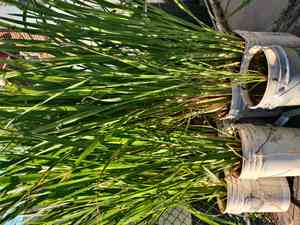
To achieve optimal results with manchurian wildrice, plan its relocation from late spring through mid-summer. Selecting a location that offers abundant light and damp earth will foster its vigorous development. Bear in mind, manchurian wildrice flourishes with only minimal attentive nurturing.
What Preparations are Needed Before Transplanting Manchurian Wildrice?
What is the Ideal Time for Transplanting Manchurian Wildrice?
The best period to move manchurian wildrice is during the vibrant phase from late spring through mid-summer. This timeframe offers warm ground, promoting strong root development and smooth acclimation. Relocating manchurian wildrice then takes advantage of naturally longer daylight hours, providing your plants with ample energy to establish themselves before colder weather arrives. Selecting this period aligns with manchurian wildrice's growth cycle, setting the stage for a successful season ahead. It's the perfect moment to ensure manchurian wildrice flourishes, utilizing the peak of its growing season for successful establishment.
How Much Space Should You Leave Between Manchurian Wildrice Plants?
As you get ready to introduce manchurian wildrice to your garden, imagine them needing personal room to thrive. Aim to provide each plant with a comfortable spot approximately 24-36 inches (61-91 cm) apart. This will ensure they have sufficient space for root expansion and healthy growth.
What is the Best Soil Mix for Manchurian Wildrice Transplanting?
For manchurian wildrice, consider preparing a comfortable bed with rich, well-draining soil. Think about incorporating some organic compost as an initial meal for your green companions. This will help establish a nutrient-rich base they will appreciate.
Where Should You Relocate Your Manchurian Wildrice?
Locate a sunny area in your garden where manchurian wildrice can enjoy sunlight for most of the day. They prefer a brightly lit spot but wouldn't mind some afternoon shade. This sun-drenched location will be their personal haven!
What Equipments Should You Prepare Before Transplantation Manchurian Wildrice?
Shovel or Spade
To excavate the manchurian wildrice from its original spot without harming the root ball.
Gardening Gloves
To safeguard your hands while handling soil and plants.
Wheelbarrow
For moving the manchurian wildrice from one place to another if needed.
Watering Can or Hose
To hydrate the manchurian wildrice before and after the relocation process.
Pruning Shears
For trimming any damaged roots or foliage.
Garden Fork
For gently loosening the soil around the manchurian wildrice's roots during extraction.
Mulch
To assist in maintaining moisture levels around the manchurian wildrice post-transplant.
Measuring Tape
To guarantee appropriate spacing between newly transplanted manchurian wildrice plants.
Plant Supports (if required)
To help the manchurian wildrice remain upright and grow correctly after transplanting.
How Do You Remove Manchurian Wildrice from the Soil?
How Do You Remove Manchurian Wildrice from the Soil?
From Ground: First, irrigate the manchurian wildrice plant to moisten the soil, making extraction easier. Then, using a shovel or spade, dig a wide circle around the plant, ensuring a generous distance to avoid cutting into the root system. Carefully slide the shovel beneath the root ball and use it to lift the plant from the ground.From Pot: Water the manchurian wildrice to dampen the root ball, facilitating its removal. Tilt the pot sideways and gently tap or press its sides to loosen the root ball. Gradually ease the plant out by the base of the stem or leaves, trying not to pull forcefully.From Seedling Tray: Water the seedling tray to make the soil pliable. Use a garden fork or similar tool to carefully lift the manchurian wildrice from the tray, taking care not to harm the delicate roots or stems.
Step-by-Step Guide for Transplanting Manchurian Wildrice
Preparation
Evaluate the overall health of the manchurian wildrice before starting the transplant to confirm it's suitable for the move. Check for any indications of disease or stress and address them as needed before proceeding with the transplanting process.
Digging the Hole
Excavate a hole in the new spot that is twice as wide as the root ball and of equal depth. This will provide the manchurian wildrice's roots ample room to expand and adapt to the new environment.
Root Treatment
Inspect the manchurian wildrice's root ball. If the roots are tightly packed or circling, use pruning shears to lightly trim them. This will encourage fresh growth and allow the roots to spread out in their new location.
Placement
Position the manchurian wildrice in the center of the prepared hole. The top of the root ball should be level with the surrounding soil surface.
Filling the Hole
Backfill the hole with the excavated soil, gently firming it around the manchurian wildrice's root ball to eliminate any large air pockets. Water the plant to help settle the soil around the roots and lessen transplant shock.
Mulching
Apply a layer of mulch around the base of the manchurian wildrice, being careful not to pile it against the stem. This will help retain moisture and reduce weed competition.
Stabilization
If the manchurian wildrice is tall or top-heavy, consider using plant supports to hold it in place until the roots have established and can support the plant independently.
Cleanup
Clear away any debris or leftover planting material from the area and tidy up the space to prevent pests or diseases.
Monitoring
Closely observe the manchurian wildrice during the initial weeks after transplanting, looking for signs of transplant shock such as wilting, leaf drop, or discoloration.
Record-Keeping
Document details about the transplanting process including the date, weather conditions, and any specific care provided. This can be useful for future care and transplanting activities.
How Do You Care For Manchurian Wildrice After Transplanting?
Immediate Watering
Right after transplanting, give the manchurian wildrice a thorough watering to help settle the soil and provide moisture for the stressed roots.
Staking and Support
If you used plant supports during the initial transplanting, check them regularly to ensure they are not harming the manchurian wildrice and adjust as the plant grows.
Checking for Pests
Inspect the manchurian wildrice for any indications of pests or disease; early detection is crucial for effective treatment.
Regular Observations
Monitor the manchurian wildrice's growth and development. Signs of healthy establishment include new growth, such as leaves and stems.
Seasonal Adjustments
Be aware of changing seasons and weather conditions, adjusting care as needed to protect the manchurian wildrice from extreme temperatures or conditions.
Patience and Care
Remember that transplantation can be a shock to any plant, and some may take longer than others to establish and thrive in a new location. Patience and consistent care are essential.
Troubleshooting Common Issues with Manchurian Wildrice Transplantation.
When is the best time to transplant manchurian wildrice?
The ideal transplanting period for manchurian wildrice is from late spring to early summer, ensuring a warm start.
What spacing should I use when transplanting manchurian wildrice?
Allow 24-36 inches (61-91 cm) between plants. This spacing provides ample room for growth.
How do I prepare the soil before transplanting manchurian wildrice?
Ensure the soil is fertile, moist, and drains well. Incorporate aged compost to enhance its richness.
How deep should I plant manchurian wildrice rhizomes or seedlings?
Plant rhizomes or seedlings so the top is just beneath the soil surface, no deeper than 2 inches (5 cm).
Can I transplant manchurian wildrice in full sun or is shade required?
Manchurian wildrice thrives in full sun to partial shade. Select a location with sufficient sunlight for vigorous growth.
Why are my manchurian wildrice seedlings wilting after transplant?
Wilting may be due to water stress or root damage during transplant. Keep the soil consistently moist.
What's the ideal water regimen post-transplant for manchurian wildrice?
After transplanting, water manchurian wildrice deeply to settle the soil around roots, then maintain moderate moisture.
How do I protect manchurian wildrice from pests after transplanting?
Regularly inspect plants, and treating naturally with neem oil or a soap solution can prevent infestations.
Can transplant shock affect manchurian wildrice, and how to reduce it?
To minimize transplant shock, keep roots as intact as possible and water immediately after planting.
Why isn't my transplanted manchurian wildrice growing?
Stunted growth might result from nutrient deficiencies or root crowding. Ensure proper spacing and soil quality.



