How to Transplant China violet?
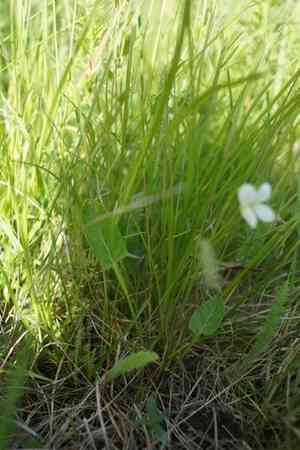
Chinese violet flourishes when relocated from the beginning to the end of spring, benefiting from ideal temperatures and ground hydration. Preferably, select a location offering dappled sunlight and soil that drains effectively. Verify that the soil is abundant in organic compounds to foster development.
What Preparations are Needed Before Transplanting China Violet?
What is the Ideal Time for Transplanting China Violet?
The best time for relocating china violet is from mid to late spring. This period offers suitable ground temperatures and growing conditions, promoting strong root development and vigorous growth. Moving them at this time reduces stress and improves the plant's ability to adapt to its new setting, ensuring a healthy, robust perennial.
How Much Space Should You Leave Between China Violet Plants?
China violet benefit from ample room to expand! Be sure to re-plant them 6-8 inches (15-20 cm) apart. This provides each plant sufficient area to flourish without excessive competition from nearby plants.
What is the Best Soil Mix for China Violet Transplanting?
For china violet, prepare well-draining soil by incorporating organic compost. This guarantees essential nutrients and proper structure. Adding a balanced base fertilizer (such as a 10-10-10 mix) will give your plants an excellent start!
Where Should You Relocate Your China Violet?
China violet thrive in spots that receive partial to full sunlight. Select a location in your garden that gets at least 4-6 hours of sun daily to help these beautiful perennials bloom splendidly.
What Equipments Should You Prepare Before Transplantation China Violet?
Gardening Gloves
To safeguard your hands while handling soil and china violet.
Shovel or Spade
For excavating the plant and preparing the new planting site.
Hand Trowel
Useful for more precise digging and manipulating the earth.
Watering Can or Hose
To hydrate the plant before and after its relocation.
Pruning Shears
To trim any damaged or excess foliage.
Wheelbarrow (optional)
To move the plant if transporting it a significant distance.
How Do You Remove China Violet from the Soil?
How Do You Remove China Violet from the Soil?
From Ground: First, moisten the china violet's soil. Then, dig a wide trench around the plant using a shovel or spade, ensuring the plant's root ball stays intact. Carefully work the spade beneath the root ball to lift the plant from its original spot.From Pot: Water the china violet to facilitate root ball removal. Turn the pot on its side and gently squeeze the sides to loosen the soil. Carefully slide the plant out, supporting the root ball with your hand.From Seedling Tray: Water the seedlings to loosen the soil. Use a hand trowel to gently scoop under each seedling, making sure to get as much of the root system as possible. Be very gentle to avoid harming the delicate roots.
Step-by-Step Guide for Transplanting China Violet
Hole Preparation
Dig a hole in the new spot that is twice as wide and equally deep as the china violet's root ball. Ensure the hole has good drainage.
Soil Preparation
Mix some compost or organic material into the excavated soil to enhance its nutrient content and texture.
Plant Placement
Position the china violet in the hole, making sure the top of the root ball is level with the surrounding ground. Fill in around the root ball with the amended soil, pressing gently to eliminate air pockets.
Watering
Thoroughly water the china violet after planting it in its new location. This will help settle the soil and remove any air pockets.
Mulching
Apply a layer of mulch around the base of the china violet, being careful not to cover the stem. Mulch will help retain moisture and regulate soil temperature.
How Do You Care For China Violet After Transplanting?
Watering
Keep the soil around the china violet consistently moist, but not waterlogged, for the initial few weeks post-transplant to aid in establishing strong roots.
Pruning
Remove any damaged or dead leaves to lessen stress on the china violet and encourage healthy growth.
Monitoring
Observe the china violet for any indications of transplant shock, such as wilting or yellowing leaves, and address any issues promptly by adjusting watering or checking soil drainage.
Troubleshooting Common Issues with China Violet Transplantation.
When is the best time to transplant china violet?
Relocate china violet from early spring to late spring for optimal growth and establishment.
How far apart should china violet plants be spaced?
Space china violet plants 6-8 inches (15-20 cm) apart to allow sufficient growth and airflow.
What soil conditions are ideal for transplanting china violet?
Use well-draining, fertile soil rich in organic matter for transplanting china violet.
How deep should I plant china violet in the new location?
Plant china violet at the same depth it was originally growing to avoid stress.
How should I water china violet after transplanting?
Water china violet thoroughly immediately after transplanting, ensuring the soil is consistently moist but not waterlogged.
How can I reduce transplant shock for china violet?
Transplant china violet on a cloudy day or in the evening to minimize transplant shock.
What should I do if china violet leaves start wilting after transplant?
Ensure china violet is well-watered and consider providing temporary shade if wilting occurs.
How can I prepare china violet for transplanting?
Water china violet thoroughly a day before transplanting to ease root removal and minimize stress.
Should I fertilize china violet immediately after transplanting?
Wait a few weeks before fertilizing china violet to avoid burning the roots. Use a balanced fertilizer.
Is mulching necessary after transplanting china violet?
Apply a layer of mulch around china violet to retain soil moisture and suppress weeds.



