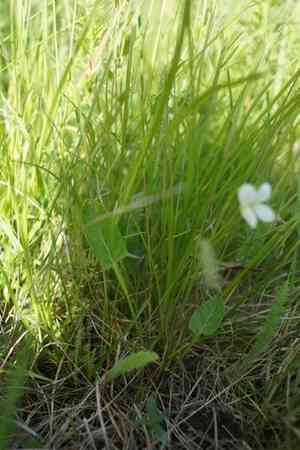
China violet (Viola patrinii)
Also known as: Patrin's Violet, Patrin's Violetflower
The plant you're describing is likely a China violet, a perennial herb with heart-shaped leaves and violet-blue flowers featuring prominent veins. These slightly fragrant blooms appear in spring and flourish in moist, well-drained soil with dappled sunlight. Suited to woodland environments, China violets are known for their hardy roots and adaptability to seasonal changes.
In This Article
Attributes of China violet
Lifespan
Perennial
Plant Type
Herb
Plant Height
20 cm
Spread
Approximately 15-25 cm
Leaf Color
Green
Flower Size
1-2 cm
Flower Color
White
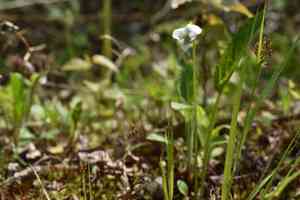
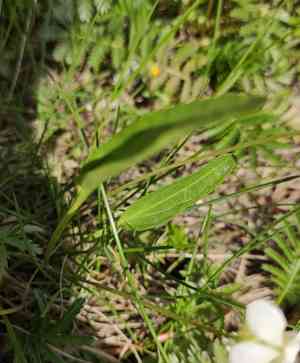
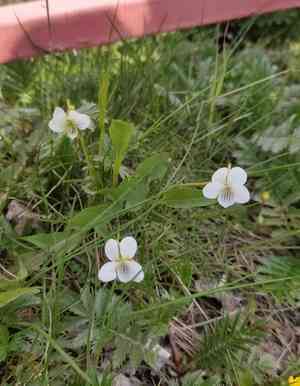
Images of China violet
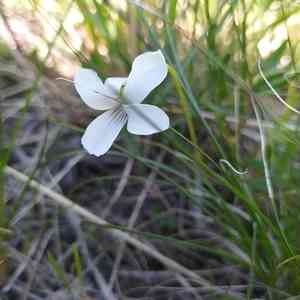
Quickly Identify China violet
1
Viola patrinii can be identified by its heart-shaped leaves and small, violet-colored flowers. The flowers typically have a spur and are bilaterally symmetrical.
Scientific Classification of China violet
Phylum
Vascular plants
Class
Dicotyledons
Order
Malpighiales
Family
Violet
Genus
Violets
Species
China violet
Planting and Growing of China violet
Care Difficulty
Moderate
Watering Schedule
Every 4 days
Sunlight Requirements
Partial sun
Sunshine Duration
6-10 hours
Ideal Temperature
60-68℉
Soil Type
Potting Mix, Peat Mix
Soil pH
6-7.5
Fertilizer Type
Balanced
Pruning Season
Spring, Summer
Pruning Area
Branches, Leaves
Pruning Frequency
2 times a year
Repotting Season
Spring
Pot Type
Plastic, Ceramic
 How to Water China violet?
For Viola patrinii, water about 250 ml per session. The plant prefers its soil to be slightly moist but not waterlogged. It's best to water until you see a tiny amount of runoff from the drainage holes in the pot, indicating that water has reached the root zone.
What are the symptoms of an underwatered China violet?
›
What should I do if my China violet is not getting enough water?
›
What are the symptoms of an overwatered China violet?
›
How to save an overwatered China violet?
›
 What Are the Sunlight Requirements for China violet?
Partial sun is ideal, offering enough light for photosynthesis without overwhelming the plant. This balance promotes healthy growth, vibrant blooms, and overall plant vitality.
Optimal Placement
›
Greenhouse Growing
›
Shaded Outdoor Spots
›
 What Is the Ideal Temperature Range for China violet?
The ideal temperature range for Viola patrinii is between 60°F and 68°F. This range provides optimal conditions for growth and flowering. Maintaining this range ensures that metabolic processes are functioning efficiently, supporting vigorous growth and vibrant blooms.
 What Soil is Best for China violet?
Viola patrinii thrives in nutrient-rich loam which ensures a steady supply of essential minerals. This soil type supports healthy root development and blooming, ensuring lush foliage and vibrant flowers. Adequate drainage is vital for preventing waterlogged conditions that can lead to root rot. Ensuring the soil is well-drained helps maintain optimal moisture levels, fostering healthy plant growth. This species prefers soils that retain moderate moisture without becoming waterlogged. Consistent moisture supports steady growth and helps the plant withstand dry periods with minimal stress.
 How to Fertilize China violet?
When fertilizing Viola patrinii, it’s important to use an amount that encourages healthy growth but doesn't overwhelm the plant. Start with a balanced liquid fertilizer at half strength once every two weeks during the growing season. For slow-release granular fertilizers, use a small handful, approximately 30 grams, applied evenly around the base of the plant, making sure it is not touching the stem. Over-fertilization can lead to burnt roots and foliage.
 How to Prune China violet?
Before you start, ensure you have the right tools: sharp, clean pruning shears or scissors. This helps make precise cuts and prevents the spread of disease. Clean your tools with alcohol or a diluted bleach solution to maintain hygiene. Begin by deadheading spent blooms, which encourages further blossoming. Identify any dead, diseased, or overcrowded stems. Always cut stems back to a healthy section, ideally above a leaf node, to promote new growth. Make clean, angled cuts to prevent water accumulation on stem ends. This technique reduces disease risk and facilitates faster recovery. Be cautious to avoid cutting too close to the main stem to preserve plant health. After pruning, water the plant thoroughly to help it recover. A balanced fertilizer application strengthens the plant. Ensure good air circulation around the plant to reduce the risk of fungal diseases.
More About Pruning Techniques→
 How to Propagate China violet plant?
1
Collect seeds from mature Viola patrinii plants during late summer. Clean and dry them before sowing to ensure healthy germination. Use well-draining soil mixed with compost for the best results.
2
Select a healthy and young stem of Viola patrinii and cut it at a 45-degree angle. The cutting should be around 4-6 inches long with at least two sets of leaves. Immediately dip the cut end in a rooting hormone.
3
For seeds, press them gently into the soil surface and cover lightly. For cuttings, plant the cutting into the soil mixture and ensure it remains upright. Maintain high humidity and indirect light for optimal growth.
 How to Repot China violet plant?
1
You should consider repotting Viola patrinii when you notice stunted growth, roots coming out of the drainage holes, or the soil drying out much faster than usual. These signs indicate the plant has outgrown its current pot and needs more space and nutrients.
2
Select a pot that is just one or two inches larger in diameter than the current one for Viola patrinii. Choosing a pot that's too large could lead to overwatering, as the soil will retain moisture longer. A pot with drainage holes is essential to prevent waterlogging and root rot, ensuring the health of your plant.
3
Use a well-draining potting mix composed of equal parts peat, perlite, and a touch of organic compost for Viola patrinii. This mix ensures adequate drainage and provides nutrients, promoting healthy root development and preventing soil compaction.
Learn More About China violet Diseases
Anthracnose
Bacterial Leaf Spot
Bacterial Soft Rot
Bacterial Wilt
Black Spot
Chemical Injury
Crown Gall
Cyst Nematode
Damping-off
Downy Mildew
Drought Stress
Fusarium Wilt
Gray Mold
Leaf Curl
Leaf Spot
Mosaic
Nutrient Deficiency
Nutrient Toxicity
Powdery Mildew
Root Rot
Root-knot Nematode
Rusts
Sooty Mold
Spider Mites
Temperature Stress
Thrips Damage
White Mold



