How to Transplant Bog white violet?
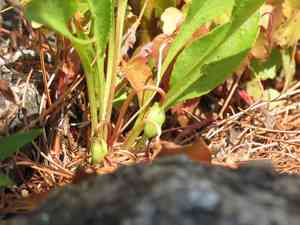
The optimal period for relocating bog white violet spans from the revitalizing warmth of late spring into the early days of summer, facilitating robust root development. Select damp environments that receive filtered sunlight. Handle with care to preserve the root system's structure.
Essential Preparations Before Relocating Bog White Violet?
Optimal Period for Moving Bog White Violet?
The most suitable time for transplanting bog white violet spans from the onset of late spring through the gentle warmth of early summer. This timeframe allows bog white violet's root system to establish itself in mild temperatures and moist soil, facilitating a smooth transition from its original spot to the new site. Moving bog white violet during this period capitalizes on the season's favorable climate, ensuring the delicate perennial receives the necessary care for vigorous, subsequent flowering cycles. Adopting this transplanting approach promises both a pleasant gardening experience and a flourishing future for bog white violet.
Required Spacing Between Bog White Violet Plants?
When preparing to plant your bog white violet, ensure adequate room for each to thrive. Aim for a spacing of less than 12 inches (30 cm) apart, which will provide sufficient area for growth without overcrowding.
Ideal Soil Blend for Bog White Violet Transplantation?
For your bog white violet, begin with soil that drains well and is rich in organic matter. Incorporate a balanced, slow-release fertilizer to nourish the plants. Ensure the soil is moist but not waterlogged to create an optimal environment for your bog white violet.
Recommended New Location for Your Bog White Violet?
Select a site for your bog white violet that receives partial to full shade. These beautiful plants flourish with less direct sunlight, so seek out a location that emulates their natural, cool, and shaded boggy habitat, and your plants will be content!
Equipment Needed Before Transplanting Bog White Violet?
Gardening Gloves
To safeguard your hands while handling soil and plants.
Spade or Shovel
For digging around and beneath the plant when extracting it from its initial position.
Watering Can or Hose
To hydrate the plant both before and after its relocation.
Pruning Shears
To trim any dead or damaged roots or foliage prior to transplanting.
Wheelbarrow or Plant Pot
To move the plant and its root ball to the new spot.
Gardening Trowel
To aid in excavating the new hole and refining the space for the plant’s roots.
Mulch
To cover the soil around the plant after transplanting, helping to retain moisture.
How to Extract Bog White Violet from the Ground?
How to Extract Bog White Violet from the Soil?
From Ground: First, water the bog white violet plant to moisten the soil. Next, dig a wide trench around the plant using a shovel or spade, ensuring the plant's root ball remains intact. Carefully work the spade beneath the root ball to lift the plant from its original location.From Pot: Water the bog white violet in its container to ensure the soil is damp. Invert the pot, and gently tap the bottom and sides to loosen the plant. Slide the plant out, keeping the soil around the roots undisturbed.From Seedling Tray: Use a gardening trowel or your fingers to carefully lift the bog white violet seedling, including as much of the surrounding soil as possible, to prevent damage to the root system.
Detailed Steps for Transplanting Bog White Violet
Prepare the New Site
Dig a hole twice the width of the root ball and of equal depth. Amend the soil if necessary to ensure it is well-draining and rich in organic matter.
Root Examination and Trimming
Inspect the root ball for any dead or broken roots and use pruning shears to carefully remove them.
Positioning the Plant
Place the bog white violet in the center of the hole. Ensure it stands upright, with the top of the root ball level with the surrounding ground.
Backfilling the Hole
Gently return the excavated soil around the roots, filling the hole until the root ball is securely covered but not buried too deeply.
Thorough Watering
Water the newly transplanted bog white violet to settle the soil and eliminate any air pockets around the roots.
Apply Mulch
Spread a layer of mulch around the base of the bog white violet to help maintain soil moisture and temperature.
Post-Transplant Care for Bog White Violet?
Consistent Watering
Water the bog white violet regularly to keep the soil moist and encourage strong root development. Monitor the moisture level and adjust the watering schedule as needed.
Monitoring Plant Health
Observe the bog white violet for signs of stress such as wilting, yellowing, or dropped leaves. Address any issues promptly to ensure a successful transplant.
Mulching and Weeding
Maintain a layer of mulch to suppress weeds, which can compete with the bog white violet for nutrients and water. Gently remove any weeds by hand without disturbing the plant’s roots.
Avoiding Disturbance
Refrain from disturbing the soil around the bog white violet for several weeks after transplanting to allow the roots to firmly establish in the new location.
Resolving Common Issues with Bog White Violet Transplantation.
Why is my bog white violet struggling after being moved?
Verify if you're transplanting during the optimal period in the mild season, ideally late spring to just before summer's peak. Ensure proper spacing of less than 12 inches (30 cm).
How much room does bog white violet require when transplanting?
Keep bog white violet snug but not cramped by allowing less than 12 inches (30 cm) between each plant for optimal growth.
What's the best time of day to move bog white violet?
Transplant bog white violet during a cooler part of the day, preferably morning or late afternoon, to minimize transplant shock.
Can bog white violet tolerate full sunlight after being transplanted?
After transplanting, bog white violet prefers filtered light or partial shade to acclimate and avoid stress from intense sunlight.
How do I know if bog white violet is receiving enough water after transplanting?
Keep the soil consistently moist, neither waterlogged nor dry. Regularly check that the top inch (2.5 cm) feels damp to the touch.
How deep should I plant bog white violet when transplanting?
The root ball should be level with the soil surface. Avoid planting too deeply to prevent root rot and ensure good aeration.
What kind of soil is best for transplanting bog white violet?
Utilize well-draining, rich soil with a slightly acidic pH. Peat moss can enhance soil conditions for bog white violet.
How can I safeguard my transplanted bog white violet from pests or diseases?
Monitor regularly for indications of pests or disease. Gently clean foliage and, if necessary, use appropriate organic treatments.
When should I begin fertilizing bog white violet after transplanting?
Wait 4-6 weeks post-transplant before fertilizing to allow bog white violet to settle in and prevent burning delicate roots.
My transplanted bog white violet appears wilted, what action should I take?
Wilting can indicate shock. Ensure adequate watering, provide shade from strong sun, and protect from harsh winds until recovery is evident.



