How to Transplant Dwarf marsh violet?
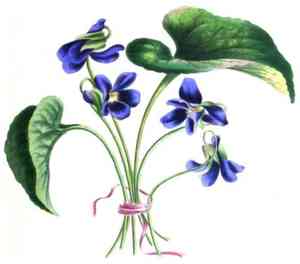
Dwarf marsh violet flourishes most effectively when relocated from the beginning to the end of spring, leveraging the temperate climate and period of vigorous development. Select a site with partial shade and ample moisture to guarantee ideal growing circumstances. Enjoy your planting!
What Preparations are Needed Before Transplanting Dwarf Marsh Violet?
What is the Ideal Time for Transplanting Dwarf Marsh Violet?
The best period for relocating dwarf marsh violet spans from the beginning to the end of spring. This timeframe guarantees consistent soil moisture and moderate temperatures, reducing transplant shock. Moving dwarf marsh violet during this season allows the perennial to develop strong roots prior to summer heat, fostering vigorous growth and resilience.
How Much Space Should You Leave Between Dwarf Marsh Violet Plants?
When moving dwarf marsh violet, position each plant 4-6 inches (10-15 cm) apart. This provides ample room for development while maintaining a dense appearance, perfect for creating a lush, compact display in your garden.
What is the Best Soil Mix for Dwarf Marsh Violet Transplanting?
Prepare well-draining soil abundant in organic material for dwarf marsh violet. Incorporate compost or aged manure into your garden bed to supply essential nutrients. This supports healthy root development and ensures your plants flourish.
Where Should You Relocate Your Dwarf Marsh Violet?
Select a spot with partial to full shade for transplanting dwarf marsh violet. These plants favor cooler locations and thrive beneath the canopy of larger plants or in shaded garden corners, helping them avoid stress from excessive direct sunlight.
What Equipments Should You Prepare Before Transplantation Dwarf Marsh Violet?
Gardening Gloves
To safeguard your hands while handling soil and plants.
Shovel or Spade
To excavate around and lift the plant from its initial position.
Trowel
For planting in elevated beds or confined garden areas.
Garden Fork
To gently loosen the earth surrounding the plant's roots.
Watering Can or Hose
For hydrating the plant before and after its relocation.
Compost or Organic Matter
To enrich the soil at the new planting site.
How Do You Remove Dwarf Marsh Violet from the Soil?
How Do You Remove Dwarf Marsh Violet from the Soil?
From Ground: First, irrigate the dwarf marsh violet plant to moisten the soil. Then, dig a broad trench around the plant using a shovel or spade, ensuring the plant's root ball stays intact. Carefully work the spade beneath the root ball to lift the plant from its original spot.From Pot: Water the dwarf marsh violet plant thoroughly. Place your hand over the pot's top with the stem between your fingers and gently invert the pot. Tap the pot's bottom to loosen the root ball, and slide the plant out of the container.From Seedling Tray: Ensure the soil is damp one or two hours before transplanting. Use a pencil or similar tool to gently push from the bottom of the tray cell to lift the seedling out, taking care to keep as much soil around the roots as possible.
Step-by-Step Guide for Transplanting Dwarf Marsh Violet
Site Preparation
Prepare the planting area by removing any weeds or debris. Dig a hole twice as wide and slightly deeper than the root ball of the dwarf marsh violet plant.
Amending the Soil
Incorporate compost or organic material into the soil to enhance its structure and nutrient content where the plant will be situated.
Planting Depth
Position the dwarf marsh violet plant in the hole, ensuring the top of the root ball is level with or slightly above the ground surface.
Filling the Hole
Backfill the hole with soil and gently tamp it down to eliminate air pockets, being careful not to over-compact the soil.
Watering
Water the newly transplanted dwarf marsh violet thoroughly to help settle the soil around the roots and reduce transplant shock.
Mulching
Apply a layer of mulch around the base of the dwarf marsh violet plant to help retain moisture and suppress weeds.
How Do You Care For Dwarf Marsh Violet After Transplanting?
Watering
Keep the soil around the dwarf marsh violet consistently moist, but not waterlogged, for the initial few weeks after transplanting to aid in establishing strong roots.
Monitoring
Inspect the plant regularly for indications of stress or pests and address any issues promptly.
Support
If necessary, use stakes or supports to keep the dwarf marsh violet plant upright and stable during its early growth phase.
Fertilization
Wait a few weeks after transplanting before applying any fertilizer to prevent root burn. Use a balanced, slow-release fertilizer if needed.
Troubleshooting Common Issues with Dwarf Marsh Violet Transplantation.
When is the best time to transplant dwarf marsh violet?
Relocate dwarf marsh violet in early to late spring for optimal growth and establishment.
How far apart should I space dwarf marsh violet plants?
Space dwarf marsh violet plants 4-6 inches (10-15 cm) apart for healthy growth.
What type of soil is ideal for dwarf marsh violet?
Dwarf marsh violet thrives in well-drained, moist soil rich in organic matter.
Is mulching necessary when transplanting dwarf marsh violet?
Yes, mulching helps retain moisture and regulate soil temperature for dwarf marsh violet.
How much water does dwarf marsh violet need after transplanting?
Water dwarf marsh violet thoroughly after transplanting and keep the soil consistently moist.
How can I prevent transplant shock for dwarf marsh violet?
To prevent shock, water well, avoid disturbing roots, and transplant in cooler parts of the day.
What kind of light does dwarf marsh violet need?
Dwarf marsh violet prefers partial to full shade for best growth and flowering.
Can I transplant dwarf marsh violet in summer?
It's best to avoid summer; early to late spring is ideal for transplanting dwarf marsh violet.
Should I fertilize dwarf marsh violet after transplanting?
Lightly fertilize dwarf marsh violet with a balanced fertilizer after transplanting to encourage growth.
How deep should I plant dwarf marsh violet during transplanting?
Plant dwarf marsh violet at the same depth it was growing previously to avoid stem rot.



