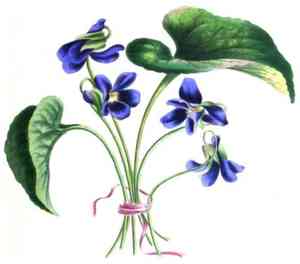
Dwarf marsh violet (Viola epipsila)
Also known as: Marsh violet
Viola epipsila, commonly known as the dwarf marsh violet, is a perennial forb belonging to the genus Viola. It can be found in various regions including Alaska, Finland, Russia, Poland, and several other European countries.
In This Article
Attributes of Dwarf marsh violet
Lifespan
Perennial
Plant Type
Herb
Plant Height
5 cm to 15 cm
Spread
10-20 cm
Leaf Color
Green
Flower Size
1-2 cm
Flower Color
Purple
Images of Dwarf marsh violet
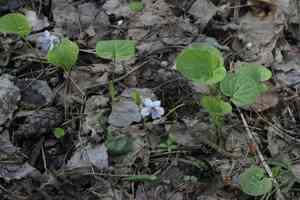
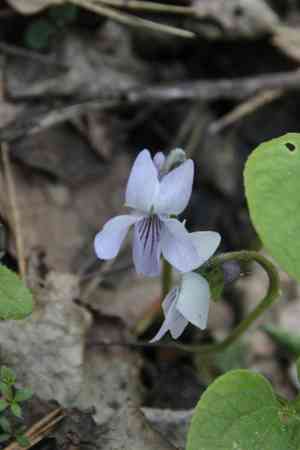
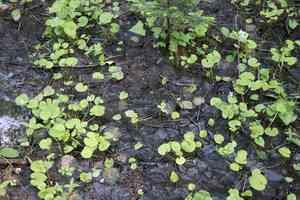
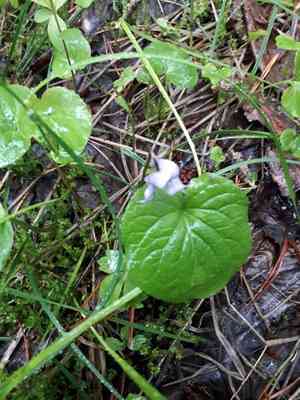
Quickly Identify Dwarf marsh violet
1
Look for small, rounded leaves with serrated edges and characteristic purple flowers with a slightly zygomorphic structure. The flower has five petals, with the lower petal often having a spur.
Scientific Classification of Dwarf marsh violet
Phylum
Vascular plants
Class
Dicotyledons
Order
Malpighiales
Family
Violet
Genus
Violets
Species
Dwarf marsh violet
Planting and Growing of Dwarf marsh violet
Care Difficulty
Moderate
Watering Schedule
Every 2 days
Sunlight Requirements
Partial sun
Sunshine Duration
6-10 hours
Ideal Temperature
60-75℉
Soil Type
Potting Mix, Peat Mix
Soil pH
5-6.5
Fertilizer Type
Balanced
Pruning Season
Spring, Summer
Pruning Area
Branches, Leaves
Pruning Frequency
2 times a year
Repotting Season
Spring
Pot Type
Plastic, Terracotta
 How to Water Dwarf marsh violet?
For Viola epipsila, it is important to provide a moderate and even watering regime. Aim for about 150 milliliters per session, ensuring the soil is evenly damp but not soaking. The goal is to mimic its natural environment where the soil is consistently moist yet not waterlogged.
What are the symptoms of an underwatered Dwarf marsh violet?
›
What should I do if my Dwarf marsh violet is not getting enough water?
›
What are the symptoms of an overwatered Dwarf marsh violet?
›
How to save an overwatered Dwarf marsh violet?
›
 What Are the Sunlight Requirements for Dwarf marsh violet?
Viola epipsila's ideal light range is partial sun to full shade, where it can flourish with soft, gentle sunlight. This balance supports steady growth and vibrant flowers, mimicking its natural habitat.
What type of sunlight is best for Viola epipsila?
›
How can you ensure it gets enough light?
›
Why is correct lighting crucial for Viola epipsila?
›
 What Is the Ideal Temperature Range for Dwarf marsh violet?
For optimal growth of Viola epipsila, the temperature should be kept between 60°F and 75°F. This temperature range ensures the plant can perform photosynthesis efficiently, leading to healthy development and vibrant blooms. Maintaining the temperature within this range mimics the plant's natural habitat, promoting resilience and robust growth.
 What Soil is Best for Dwarf marsh violet?
Viola epipsila thrives in soil that retains moisture well, which ensures the roots remain hydrated without waterlogging. This is essential for the plant’s growth, especially during flowering periods. A rich nutrient profile in the soil helps provide the necessary minerals for Viola epipsila, promoting robust growth and vibrant blooms. A balanced mineral level is crucial for sustaining its life cycle. Incorporating organic matter like compost into the soil will improve its structure and fertility. This enhances root development and increases the plant’s resistance to diseases and pests.
 How to Fertilize Dwarf marsh violet?
For Viola epipsila, it's important to use a balanced fertilizer mix at a half strength concentration for liquid applications. Ideally, use about 1/4 teaspoon of liquid fertilizer per gallon of water. For slow-release fertilizers, apply a thin layer of granules around the base of the plant early in the growing season.
 How to Prune Dwarf marsh violet?
Start by using sterilized pruning shears. Identify spent blooms and dying leaves as your primary targets. Trim these with precision, cutting just above the next healthy leaf node. This ensures the plant redirects energy to new growth and flowering. Regularly turning the plant during pruning helps in achieving an even shape.
More About Pruning Techniques→
 How to Propagate Dwarf marsh violet plant?
1
Begin by gently removing the seeds from the Viola epipsila flowers. Clean them properly to remove any residue that might inhibit germination. It is often helpful to store them in a cool, dry place until you are ready to plant.
2
Fill seed trays with a seed-starting mix and sow the seeds evenly across the surface. Lightly press the seeds into the soil to ensure contact, but do not cover them too much as they need light to germinate.
3
In early spring, lift the mature Viola epipsila plants using a garden spade. Carefully separate sections of the plant, ensuring each piece has a healthy root system. Replant the divisions promptly to avoid drying out.
 How to Repot Dwarf marsh violet plant?
1
Viola epipsila shows signs like roots protruding from the pot's drainage holes, a noticeable slowdown in growth, or compacted soil as signals to repot. Repotting during active growth phases in spring or autumn ensures the plant recovers quickly.
2
Select a pot one size larger than the current one with sufficient drainage holes. This prevents waterlogging, reduces the risk of root rot, and provides room for root expansion, promoting a healthier, more vigorous plant.
3
Choose a well-draining loamy soil mix enriched with organic matter. This ensures proper aeration and nutrient availability, supporting robust growth and preventing root suffocation or excessive moisture retention.
Learn More About Dwarf marsh violet Diseases
Anthracnose
Bacterial Leaf Spot
Bacterial Soft Rot
Chemical Injury
Cyst Nematode
Damping-off
Downy Mildew
Drought Stress
Fusarium Wilt
Gray Mold
Leaf Spot
Mosaic
Nutrient Deficiency
Nutrient Toxicity
Powdery Mildew
Root Rot
Root-knot Nematode
Rusts
Sooty Mold
Spider Mites
Temperature Stress
Thrips Damage
White Mold



