How to Transplant Rat's-tail succulent?
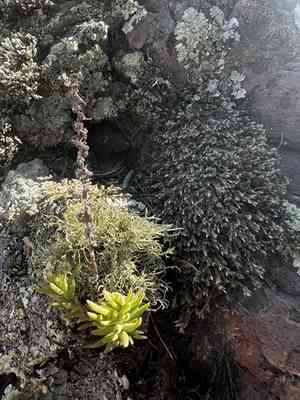
Rat's-tail succulent thrives when relocated between the beginning and end of spring, as this period facilitates its best acclimatization. Position it in a sunny spot with adequately draining soil to encourage peak development. Handle with care to prevent damage to its root system.
What Preparations are Needed Before Transplanting Rat's-tail Succulent?
What is the Ideal Time for Transplanting Rat's-tail Succulent?
The best period for relocating rat's-tail succulent, spanning from early to late spring, capitalizes on favorable growth conditions. During this time, increased daylight and moderate temperatures encourage strong root development and overall plant vigor. Moving rat's-tail succulent within this timeframe allows the perennial to adjust effectively before summer's heat, ensuring a healthier, flourishing plant.
How Much Space Should You Leave Between Rat's-tail Succulent Plants?
When transplanting rat's-tail succulent, position them approximately 6-12 inches (15-30 cm) apart. This spacing provides ample room for growth and prevents crowding, ensuring each plant receives sufficient nutrients and sunlight.
What is the Best Soil Mix for Rat's-tail Succulent Transplanting?
Prepare a well-draining soil blend with sand or perlite for rat's-tail succulent. Incorporating a foundational fertilizer, such as a slow-release balanced type, will supply the essential nutrients for healthy development. Avoid dense clay soils that retain excessive moisture.
Where Should You Relocate Your Rat's-tail Succulent?
Select a sunny spot for transplanting rat's-tail succulent. These plants flourish in full sunlight, which means about 6-8 hours of direct sun daily. Ensure your chosen location provides enough light to support their growth.
What Equipments Should You Prepare Before Transplantation Rat's-tail Succulent?
Gardening Gloves
To safeguard your hands while handling soil and plants.
Trowel
For excavating holes and shifting earth.
Shovel
To dig around the plant and lift it from the ground.
Hand Pruners
To trim any damaged roots or stems.
Watering Can
For ensuring the plant is adequately hydrated post-transplant.
Garden Fork
Useful if the plant is being extracted from a dense or compacted area.
How Do You Remove Rat's-tail Succulent from the Soil?
How Do You Remove Rat's-tail Succulent from the Soil?
From Ground: First, hydrate the rat's-tail succulent to moisten the soil. Then, excavate a wide trench around the plant using a shovel, ensuring the root ball remains intact. Carefully work the shovel beneath the root ball to lift the plant from its original spot.From Pot: Water the rat's-tail succulent thoroughly to help loosen the soil. Gently tip the pot sideways and tap it to release the plant. If needed, compress the pot's sides or run a garden knife along the rim to free the roots.From Seedling Tray: Water the seedlings well before transplanting. Use a trowel or your fingers to gently lift the seedling from the tray, taking care to keep the root system and surrounding soil undisturbed.
Step-by-Step Guide for Transplanting Rat's-tail Succulent
Prepare the Hole
Dig a hole in the new site that is twice as wide and the same depth as the rat's-tail succulent's root ball.
Remove the Plant
Carefully extract the rat's-tail succulent from its initial location using the removal method described previously.
Place the Plant
Position the rat's-tail succulent into the prepared hole, ensuring it sits at the same depth as it was in its original spot.
Fill the Hole
Backfill the hole with soil, gently firming it around the root ball to eliminate air pockets while being careful not to harm the roots.
Water Thoroughly
Water the rat's-tail succulent deeply to help settle the soil and establish the plant in its new location.
Add Mulch
Apply a layer of mulch around the base of the rat's-tail succulent, but keep it away from the stem to prevent rot.
How Do You Care For Rat's-tail Succulent After Transplanting?
Watering
Keep the soil around the rat's-tail succulent consistently moist, but not waterlogged, for the initial weeks after transplanting to aid in strong root establishment.
Monitoring
Regularly inspect the rat's-tail succulent for signs of distress such as wilting or yellowing leaves, and address any issues promptly.
Pruning
Trim any damaged or dead foliage to encourage healthy growth and reduce stress on the newly transplanted rat's-tail succulent.
Protection
Shield the rat's-tail succulent from harsh weather conditions (like strong winds or intense sun) with temporary covers or shading materials as it adapts to its new environment.
Troubleshooting Common Issues with Rat's-tail Succulent Transplantation.
When is the best time to transplant rat's-tail succulent?
Relocate rat's-tail succulent from early to late spring for optimal growth and establishment.
What is the ideal spacing for transplanting rat's-tail succulent?
Space rat's-tail succulent 6-12 inches (15-30 cm) apart to allow adequate room for growth.
How should I prepare the soil before transplanting rat's-tail succulent?
Ensure well-drained soil mixed with some sand for better aeration and water management.
Whatâs the best method to remove rat's-tail succulent from its original pot?
Gently tap the pot to loosen soil and carefully lift the plant by the base.
How deep should I plant rat's-tail succulent in the new location?
Plant rat's-tail succulent at the same depth it was in the original pot to avoid stress.
Should rat's-tail succulent be watered immediately after transplanting?
Yes, water rat's-tail succulent thoroughly right after transplanting to help settle the soil and roots.
How much sunlight does rat's-tail succulent need after being transplanted?
Place rat's-tail succulent in a spot where it receives at least 6 hours of bright sunlight daily.
What should I do if rat's-tail succulent looks wilted after transplanting?
Ensure it's watered adequately and move it to a shaded area until it recovers.
Can I use fertilizer when transplanting rat's-tail succulent?
Apply a light, balanced fertilizer during transplanting to support root growth and reduce stress.
What common pests should I watch out for after transplanting rat's-tail succulent?
Monitor for mealybugs and aphids, and treat with insecticidal soap if necessary.



