How to Transplant Hairypod cowpea?
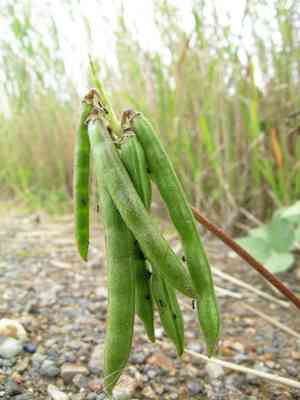
For hairypod cowpea, the period spanning from late-middle to early-end of spring offers the ideal opportunity for relocation, leveraging temperate conditions for root development. Select a brightly lit location featuring effective water runoff. Handle the root system delicately to facilitate a smooth adaptation.
What Preparations are Needed Before Transplanting Hairypod Cowpea?
What is the Ideal Time for Transplanting Hairypod Cowpea?
The optimal period for relocating hairypod cowpea is during the vigorous growth phase of mid to late spring. This season provides an ideal combination of mild temperatures and increasing daylight, fostering strong root development and plant establishment. Transplanting within this timeframe ensures hairypod cowpea benefits from prime growing conditions, facilitating its transition and promoting a robust start. A gentle reminder: timing is crucial for hairypod cowpea to flourish, so target this sweet spot in the gardening calendar!
How Much Space Should You Leave Between Hairypod Cowpea Plants?
When moving your hairypod cowpea, aim for a separation of 18-24 inches (45-60 cm). This provides ample room for growth and development without competition for nutrients or sunlight.
What is the Best Soil Mix for Hairypod Cowpea Transplanting?
Optimal soil is essential! For hairypod cowpea, incorporate plenty of compost into well-drained loamy soil. Before planting, mix in a balanced, slow-release fertilizer to give hairypod cowpea a healthy beginning.
Where Should You Relocate Your Hairypod Cowpea?
Select a sunny location for your hairypod cowpea as they thrive in full sunlight for peak growth. This means at least 6-8 hours of direct sun daily. Insufficient sun can hinder their development!
What Equipments Should You Prepare Before Transplantation Hairypod Cowpea?
Gardening Gloves
To safeguard your hands while handling soil and hairypod cowpea.
Shovel or Spade
To excavate the hairypod cowpea and create a new planting site in the ground.
Watering Can or Hose
To hydrate the hairypod cowpea before and after relocation to minimize transplant shock.
Garden Trowel
Useful for managing small plants or refining the new planting hole.
Pruners or Sharp Knife
For trimming any damaged roots or stems prior to transplanting.
Wheelbarrow or Garden Cart
Convenient for transporting the hairypod cowpea or carrying soil and mulch.
Measuring Tape
To ensure correct spacing between plants.
Mulch
To help retain soil moisture and reduce weed competition around the newly transplanted specimen.
Rooting Hormone (optional)
Can be utilized to stimulate root development in certain plants.
How Do You Remove Hairypod Cowpea from the Soil?
How Do You Remove Hairypod Cowpea from the Soil?
From Ground: Moisten the hairypod cowpea plant to make the soil more workable. Carefully dig a circle around the plant, several inches from the stems, to avoid root damage. Gently work your shovel beneath, and lift the hairypod cowpea, preserving as much of the root ball as possible.From Pot: Begin by watering the hairypod cowpea in its container, then gently tilt the pot and ease the plant out. Support the stem's base with one hand, and use the other to guide the root ball out without pulling on the plant.From Seedling Tray: Water the cell containing the hairypod cowpea seedling. Use a garden trowel or your fingers to push up from the bottom, lifting the seedling by its leaves rather than the more delicate stem.
Step-by-Step Guide for Transplanting Hairypod Cowpea
Preparation
Ensure the area where you're relocating the hairypod cowpea has been cleared of weeds and debris.
Digging Hole
Excavate a hole in the ground that is twice as wide and equally deep as the hairypod cowpea's root ball.
Placement
Position the hairypod cowpea in the center of the hole at the same depth it was previously growing (neither deeper nor shallower).
Refilling
Backfill the hole with soil, gently placing it around the roots without compacting it too much, allowing space for air and water.
Watering
Thoroughly water the hairypod cowpea after transplanting to settle the soil and eliminate air pockets.
Mulching
Apply a layer of mulch around the base of the hairypod cowpea, being careful not to pile it against the stem.
Supporting
If the hairypod cowpea is tall or spindly, consider staking or adding support to prevent bending or breakage.
How Do You Care For Hairypod Cowpea After Transplanting?
Observation
Regularly inspect the hairypod cowpea for indications of stress, such as wilting or leaf discoloration, and take appropriate action.
Watering
Keep the soil consistently moist to help the hairypod cowpea establish in its new location, reducing frequency as the plant shows new growth.
Pruning
Trim away any damaged or dead parts of the hairypod cowpea to encourage fresh growth and minimize disease risk.
Protection
Shield the newly transplanted hairypod cowpea from harsh conditions like intense sun, wind, or heavy rains if necessary during its initial establishment.
Feeding
Apply a balanced, slow-release fertilizer after a few weeks, once the hairypod cowpea has had time to settle and exhibit signs of new growth.
Troubleshooting Common Issues with Hairypod Cowpea Transplantation.
Why is my hairypod cowpea looking wilted after transplanting?
This could be transplant shock. Ensure you're providing adequate water without overwatering, and shield the plant from strong winds and intense sunlight for a few days.
What's the best time to transplant hairypod cowpea?
The optimal period for relocating hairypod cowpea is during mid to late spring, when the soil has warmed sufficiently.
How deep should I plant hairypod cowpea?
Dig a hole as deep as the root ball and twice its width to allow roots to spread comfortably.
How much space is needed between hairypod cowpea plants?
For optimal development, maintain a friendly distance of 18-24 inches (45-60 cm) between plants. This gives them room to expand and flourish.
What soil condition does hairypod cowpea prefer for transplanting?
Aim for well-draining soil rich in organic matter; this environment creates a comfortable new home for hairypod cowpea.
Should I prune hairypod cowpea during transplanting?
Light pruning can help alleviate transplant stress, but be gentle and only remove damaged or excessive growth.
How much water does hairypod cowpea need after transplanting?
Water enough to keep the soil moist, not waterlogged, especially during the first few weeks post-transplant to establish a strong root system.
What should I do if hairypod cowpea's leaves turn yellow after transplanting?
Yellowing might indicate overwatering or a nutrient imbalance. Adjust your watering schedule and consider a balanced fertilizer.
How can I protect hairypod cowpea from transplant shock?
Prioritize a gentle approach during transplanting, water sufficiently, and provide shade if necessary, to ease hairypod cowpea into its new spot.
Can hairypod cowpea be transplanted on a hot day?
It's best to transplant hairypod cowpea on a cool, overcast day to minimize stress and prevent dehydration. Avoid harsh sun and high temperatures.



