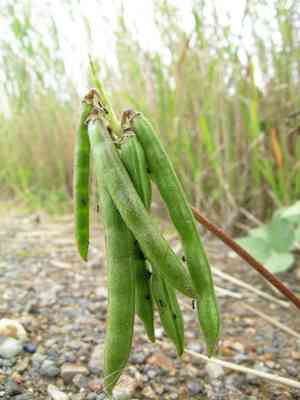
Hairypod cowpea (Vigna luteola)
Also known as: Hairy cowpea
The common name for Vigna luteola is "wild cowpea."
In This Article
Attributes of Hairypod cowpea
Lifespan
Perennial
Plant Type
Herb, Vine
Plant Height
1.2 m to 2.5 m
Spread
0.5 to 2 meters when trailing
Leaf Color
Green
Flower Size
2.5 cm to 5 cm
Flower Color
Yellow
Images of Hairypod cowpea
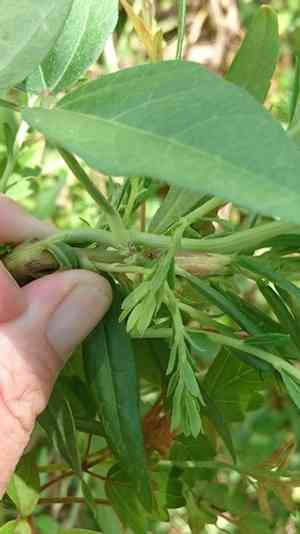
Quickly Identify Hairypod cowpea
1
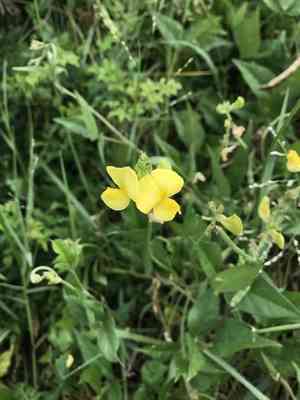
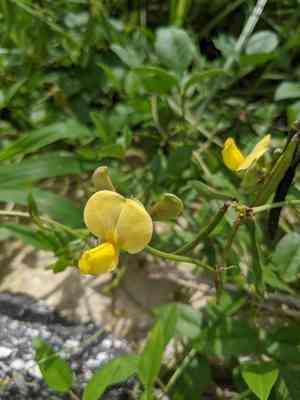
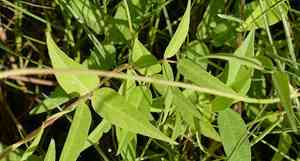
Identifying Vigna luteola can be done by examining its yellow, butterfly-shaped flowers and trifoliate leaves. The plant often has a hairy texture on its stems and leaves, which distinguishes it from other similar species.
Scientific Classification of Hairypod cowpea
Phylum
Vascular plants
Class
Dicotyledons
Order
Fabales
Family
Legume
Genus
black eye pea
Species
Hairypod cowpea
Planting and Growing of Hairypod cowpea
Care Difficulty
Easy
Watering Schedule
Every 4 days
Sunlight Requirements
Full sun
Sunshine Duration
6-10 hours
Ideal Temperature
75-85℉
Soil Type
Potting Mix, Peat Mix
Soil pH
6.5-7.5
Fertilizer Type
Balanced
Pruning Season
Spring, Summer
Pruning Area
Branches, Leaves
Pruning Frequency
2 times a year
Repotting Season
Spring
Pot Type
Plastic, Ceramic
 How to Water Hairypod cowpea?
Vigna luteola appreciates a generous watering approach. Ensure the soil is evenly moist but not waterlogged. A typical watering session involves around 500 ml per application, ideal for soaking the roots without causing rot. The key is to let the topsoil dry out between waterings, preventing the risk of fungal infections.
What are the symptoms of an underwatered Hairypod cowpea?
›
What should I do if my Hairypod cowpea is not getting enough water?
›
What are the symptoms of an overwatered Hairypod cowpea?
›
How to save an overwatered Hairypod cowpea?
›
 What Are the Sunlight Requirements for Hairypod cowpea?
Vigna luteola thrives best in full sun with an ideal light range maintaining 6 to 8 hours of exposure. This level ensures optimal photosynthesis, supporting vigorous growth and flowering throughout its growing season.
More About Sunlight Requirements Techniques→
What type of light does Vigna luteola prefer?
›
How can one achieve optimal lighting for Vigna luteola?
›
What benefits does ideal lighting provide Vigna luteola?
›
 What Is the Ideal Temperature Range for Hairypod cowpea?
The ideal temperature range for cultivating Vigna luteola lies between 75 and 85 degrees Fahrenheit. This range ensures optimal growth and development by providing a stable thermal environment that supports essential physiological processes such as photosynthesis and nutrient uptake. Within this range, the plant can efficiently manage its metabolic activities, leading to healthier and more vigorous growth.
 What Soil is Best for Hairypod cowpea?
Vigna luteola thrives in well-drained soils, which help prevent root rot by allowing excess water to escape easily. This drainage capability is vital in providing aeration to the roots, promoting healthy growth and preventing fungal diseases. Rich in organic matter, a nutrient-dense soil is crucial for the ideal growth of Vigna luteola, providing essential nutrients that foster robust development and productivity. Such soil acts as a reservoir of essential micronutrients, enhancing the plant's resilience and vigor. While the soil should be well-drained, Vigna luteola also requires a certain level of moisture retention to ensure consistent water availability, supporting steady growth and preventing wilting in dry conditions. This balance is key to maintaining optimal plant health.
 How to Fertilize Hairypod cowpea?
Vigna luteola requires moderate fertilization to thrive. For liquid fertilizers, use a balanced N-P-K (nitrogen-phosphorus-potassium) fertilizer diluted to half strength. For slow-release fertilizers, apply approximately 50 grams per plant, distributed evenly around the root zone.
 How to Prune Hairypod cowpea?
Start by inspecting the plant for dead, diseased, or damaged stems. These should be priority targets for removal. Additionally, look for any overly long or crossing stems that could hinder growth or airflow. Use your pruners to cut stems at a 45-degree angle about 1/4 inch above a leaf node. This promotes quicker healing and directs new growth outward, maximizing sunlight exposure for the leaves. After removing problem areas, step back and evaluate the overall shape. Trim back long or unbalanced sections to create a balanced shape that allows sunlight to reach all parts of the plant evenly.
More About Pruning Techniques→
 How to Propagate Hairypod cowpea plant?
1
Before planting, soak Vigna luteola seeds in water overnight. This helps to soften the seed coat, promoting quicker germination. Ensure the seeds are fresh and viable for best results.
2
Select healthy, non-flowering stems to take cuttings. Cut a section of about 4-6 inches using sharp pruning shears. Remove the leaves from the lower half to reduce moisture loss and place the cuttings in water or directly into moist soil.
3
For seeds, plant them in seedling trays with a well-draining potting mix. For cuttings, ensure they are placed in a humid environment to encourage rooting. Maintain consistent moisture levels but avoid overwatering.
 How to Repot Hairypod cowpea plant?
1
Vigna luteola should be repotted when you notice roots coming out of the drainage holes or when growth has significantly slowed down. These are strong indicators that the plant needs more space to thrive. Spring and early summer are optimal times to repot, as the plant can make the most of the growing season to recover.
2
Select a pot that is 1–2 inches larger in diameter than the current one. Ensure it has proper drainage holes to prevent waterlogging, which can lead to root rot. Choosing a slightly larger pot helps in managing moisture levels more effectively and allows ample room for root expansion.
3
A well-draining sandy loam mix is ideal for Vigna luteola, as it mimics its natural habitat and prevents soggy roots. The right soil mix ensures proper aeration, helping in nourishing the plant efficiently while preventing fungi and diseases that thrive in overly moist conditions.
Learn More About Hairypod cowpea Diseases
Anthracnose
Bacterial Leaf Spot
Bacterial Wilt
Cyst Nematode
Damping-off
Downy Mildew
Drought Stress
Fusarium Wilt
Gray Mold
Leaf Curl
Leaf Spot
Mosaic
Nutrient Deficiency
Nutrient Toxicity
Powdery Mildew
Root Rot
Root-knot Nematode
Rusts
Sooty Mold
Spider Mites
Temperature Stress
Thrips Damage
White Mold
Chemical Injury



