How to Transplant Bush vetch?
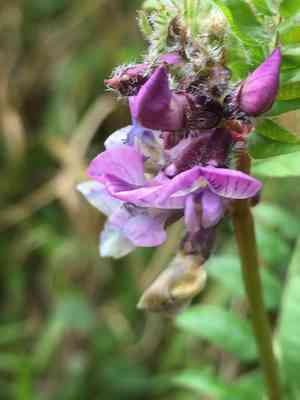
Bush vetch thrives when transplanted during the period spanning from early spring's thaw to the beginning of summer. A location receiving partial sunlight is most advantageous for its development. Ensure the soil remains adequately moist, but avoid saturation, to facilitate a successful relocation.
What Preparations are Needed Before Transplanting Bush Vetch?
What is the Ideal Time for Transplanting Bush Vetch?
The optimal period for relocating bush vetch is during spring's awakening, typically from its initial phase to its later stages. Moving bush vetch at this time ensures roots establish in gently warming earth, promoting vigorous development. Imagine bush vetch thriving in its new spot, utilizing spring's damp soils and cooler evenings, setting the stage for a lush summer display!
How Much Space Should You Leave Between Bush Vetch Plants?
It's great you're starting with bush vetch! For healthy growth, aim to provide each seedling approximately 15-20 cm (6-8 inches) of clearance. This allows ample room for roots to expand and plants to flourish without competition.
What is the Best Soil Mix for Bush Vetch Transplanting?
Prepare a comfortable bed for your bush vetch by selecting well-draining soil, enriched with organic compost. A mild blend of balanced fertilizer mixed into the soil can greatly benefit your perennial friend from the very beginning!
Where Should You Relocate Your Bush Vetch?
Locate a sunny spot or one with partial shade for your bush vetch, where it can enjoy the sun's warmth for most of the day. Just remember, a bit of afternoon shade can offer a welcome respite from the midday sun!
What Equipments Should You Prepare Before Transplantation Bush Vetch?
Gardening Gloves
To safeguard your hands while handling soil and plants.
Shovel or Spade
For excavating the plant and preparing the new planting site.
Watering Can or Hose
To hydrate the plant before and after its relocation.
Pruners
To trim any damaged roots or foliage.
Garden Fork
For loosening the soil surrounding the root ball.
Wheelbarrow or Plant Pot
To move the plant from one spot to another.
Mulch
To help maintain soil moisture after planting.
How Do You Remove Bush Vetch from the Soil?
How Do You Remove Bush Vetch from the Soil?
From Ground: Hydrate the bush vetch plant to moisten the soil. Use a shovel to dig a wide trench around the plant, taking care not to harm the root ball. Use the shovel or spade beneath the root ball to gently lift the plant from its original position.From Pot: Start by watering the bush vetch to dampen the soil, making plant removal easier. Turn the pot sideways and gently tap its sides to loosen the soil. Slowly ease the plant out, supporting the root ball.From Seedling Tray: Ensure the soil is damp. Use a scoop or hand trowel to carefully lift each bush vetch seedling from its cell, avoiding damage to the delicate roots.
Step-by-Step Guide for Transplanting Bush Vetch
Time of Year
Select a cool day, ideally in the morning or late afternoon to minimize transplant shock.
Prepare New Location
Dig a hole that is twice as wide and the same depth as the bush vetch's root ball.
Inspect Roots
Before placing the bush vetch in the new hole, examine the roots. If they are pot-bound, gently loosen them to encourage outward growth.
Positioning
Place the bush vetch in the center of the hole at the same depth it was originally growing. Ensure the plant is upright and straight.
Refilling the Hole
Backfill the hole with the excavated soil, gently firming it around the base of the bush vetch to eliminate air pockets.
Water Deeply
After transplanting, water the bush vetch thoroughly to settle the soil and hydrate the roots.
Stabilize
If the bush vetch is tall or top-heavy, provide staking or support to prevent it from falling over in strong winds.
How Do You Care For Bush Vetch After Transplanting?
Watering Needs
Water the bush vetch regularly to maintain consistent soil moisture, especially during the first month post-transplant.
Checking for Pests
Regularly inspect the bush vetch for signs of pests or diseases. Early detection and treatment can prevent severe damage.
Supporting Growth
Consider adding a thin layer of mulch around the base of the bush vetch to retain moisture and regulate soil temperature.
Pruning
As the bush vetch becomes established, prune away any damaged or dead stems to encourage vigorous, healthy growth.
Troubleshooting Common Issues with Bush Vetch Transplantation.
What's the best time to transplant bush vetch?
The ideal time is from early to late spring once the risk of frost has passed.
How much space should I give bush vetch when transplanting?
Optimal spacing is approximately 6-8 inches (15-20 cm) to allow each plant room to thrive.
Why is my bush vetch wilting after transplanting?
Wilting can occur due to shock. Keep the soil moist and provide shade for a few days.
How deep should I plant bush vetch roots when transplanting?
Place roots in a hole just deep enough to cover them with soil, no deeper.
Can I transplant bush vetch on a hot, sunny day?
Transplant on a cloudy day or in the evening to reduce stress and prevent wilting.
Should I water bush vetch immediately after transplanting?
Yes, watering helps settle the soil around the roots and aids in recovery from transplant shock.
How do I prepare the soil for transplanting bush vetch?
Enrich the soil with compost and ensure it's well-draining to promote healthy root growth.
How can I tell if bush vetch is getting too much sun post-transplant?
Signs include scorched leaves and stunted growth. Provide shade during peak sun hours if necessary.
What to do if bush vetch shows no growth after a few weeks of transplanting?
Ensure adequate water, sunlight, and nutrient-rich soil. Some plants require time to acclimate.
What's the maximum length for bush vetch roots to transplant successfully?
Roots should not be excessively long; trim them to 10 inches (25 cm) before transplanting if needed.



