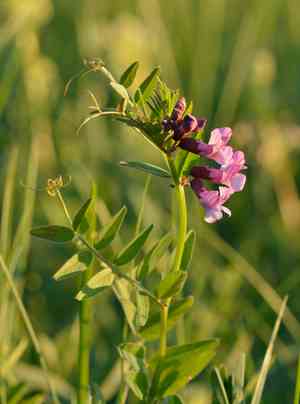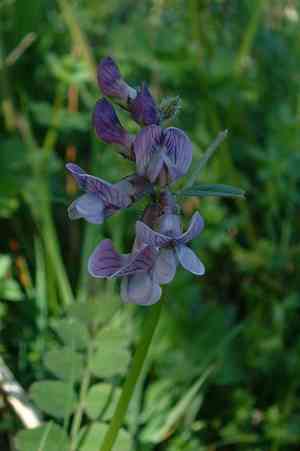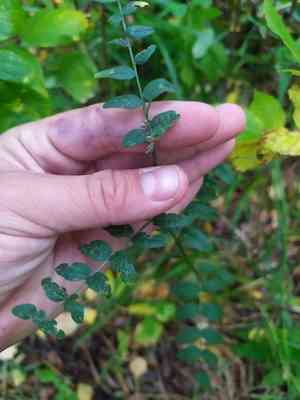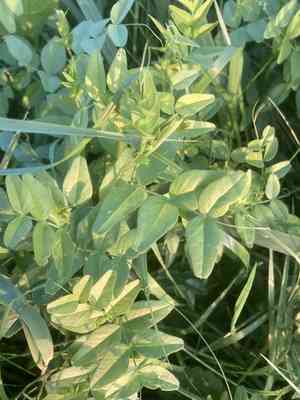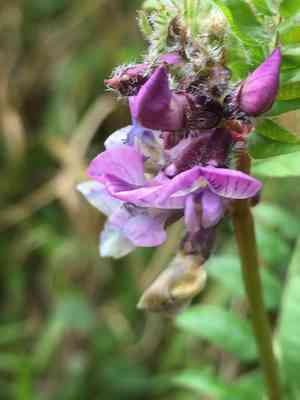
Bush vetch(Vicia sepium)

Bush vetch (Vicia sepium)

Also known as: Bush Vetch, Hedge Vetch

Bush vetch (*Vicia sepium*) is a perennial, nitrogen-fixing legume that flowers from spring to summer. It is commonly found in temperate regions such as Western Europe, Russia (including Siberia), the Caucasus, Crimea, and parts of Central Asia. Typical habitats for bush vetch include hedgerows, grasslands, woodland edges, and roadsides, where it can thrive in well-drained soils and both sunny and partially shaded conditions.

Attributes of Bush vetch

Lifespan
Perennial
Plant Type
Herb
Plant Height
30 cm to 60 cm
Spread
30 cm to 1 m
Leaf Color
Green
Flower Size
1-1.5 centimeters
Flower Color
White Purple

ForwardPlant - Identify plants with a snap

Identify and diagnose plants, get toxicity alerts, and explore safety guides for all types of fungi.

Try for Free

Images of Bush vetch

Bush vetch(Vicia sepium)

Quickly Identify Bush vetch

1
Identify Vicia sepium by its sprawling habit, compound leaves with 4-8 pairs of leaflets and a terminal tendril, and its purplish-blue flowers which appear in clusters. The flowers are followed by small leguminous pods.

Scientific Classification of Bush vetch

Phylum
Vascular plants
Class
Dicotyledons
Order
Legumes, milkworts and allies
Family
Legume
Genus
Vetches
Species
Bush vetch

Planting and Growing of Bush vetch

Care Difficulty
Easy
Watering Schedule
Every 4 days
Sunlight Requirements
Partial sun
Sunshine Duration
6-10 hours
Ideal Temperature
60-77℉
Soil Type
Potting Mix, Peat Mix
Soil pH
6.5-7.5
Fertilizer Type
Balanced
Pruning Season
Spring, Summer
Pruning Area
Branches, Leaves
Pruning Frequency
2 times a year
Repotting Season
Spring
Pot Type
Plastic, Ceramic

water icon How to Water Bush vetch?

Vicia sepium prefers consistent but moderate moisture. Aim to water with about 500ml, which should be enough to saturate its root zone without causing waterlogging. It's crucial to ensure the soil drains well to prevent root rot.
What are the symptoms of an underwatered Bush vetch?
What should I do if my Bush vetch is not getting enough water?
What are the symptoms of an overwatered Bush vetch?
How to save an overwatered Bush vetch?

sunlight icon What Are the Sunlight Requirements for Bush vetch?

Sunlight Requirements: Partial sun, Full sun
Duration of light: 4-6 hours
Partial sun to full sun is ideal, providing Vicia sepium with adequate energy for growth and vigor, promoting lush foliage and healthy stems.
What is the best lighting condition for Vicia sepium?
How can I ensure Vicia sepium receives ideal light?
What benefits does ideal lighting bring to Vicia sepium?
More About Sunlight Requirements Techniques

temperature icon What Is the Ideal Temperature Range for Bush vetch?

Ideal Temperature: 60 ~ 77℉
For optimal growth, Vicia sepium thrives best in temperatures ranging from 60°F to 77°F. This temperature range provides the necessary warmth for photosynthesis and nutrient absorption while preventing overheating. Maintaining these conditions will help ensure vibrant growth and blooming.

soil icon What Soil is Best for Bush vetch?

Soil type: Loam, Sandy loam
Soil PH: 6.5 ~ 7.5
Vicia sepium thrives in soil that offers good drainage capabilities. This ensures the roots are not waterlogged, preventing root rot and enhancing overall health and growth. Rich, fertile soil boosts Vicia sepium's growth by providing essential nutrients. Organic matter and compost can be added to improve soil fertility and support robust plant development. The plant prefers moderately moist conditions, avoiding both dryness and waterlogging. This balance is crucial for the plant's growth, maintaining optimal hydration without drowning the roots. More About Soil

fertilize icon How to Fertilize Bush vetch?

Fertilizer type: Balanced
For Vicia sepium, it is crucial to maintain a balance in nutrient supply. Applying 40-50 grams of balanced nitrogen-rich fertilizer per square meter is recommended during the growing season. This ensures that the plant receives the necessary nutrients without risking over-fertilization.

prune icon How to Prune Bush vetch?

Pruning Time: Spring, Summer, Autumn
Use clean, sharp pruning shears to avoid damaging the plant. This helps ensure precise cuts and reduces the risk of spreading diseases. Look for any dead or damaged stems and branches and cut them back to the base or to a healthy node. This keeps the plant tidy and reduces the risk of infestation. Prune the plant to maintain a pleasing shape, focusing on areas that inhibit airflow and light penetration. This encourages a fuller, healthier plant with more vibrant flowering. Since Vicia sepium is valued for its flowers, avoid pruning during its peak blooming period to maximize flower production and improve the visual impact of the plant.

propagate icon How to Propagate Bush vetch plant?

Propagate Time: Spring, Early autumn
1
Fill a seed tray with seed-starting compost. Firm the compost gently to remove air pockets. Water the compost lightly and ensure it is moist but not waterlogged.
2
Place Vicia sepium seeds evenly on the surface of the moist compost. Cover the seeds with a thin layer of compost or vermiculite. Press down gently to ensure good seed-to-soil contact.
3
Carefully dig out the mature Vicia sepium plant. Use a sharp spade to divide the root ball into smaller sections, ensuring each section has shoots and roots. Replant these divisions in a prepared site or pots.

repot icon How to Repot Bush vetch plant?

Repotting frequency: Every 2-3 years
1
Vicia sepium should be repotted when roots start emerging from the pot's drainage holes or when the plant's growth becomes stunted due to insufficient space. The ideal time is during the active growth seasons of spring or summer, where the plant can quickly recover and establish itself in the new soil environment.
2
Choose a pot that is one size larger than the current one, ensuring it has ample drainage holes. A pot too large can lead to waterlogging, while a pot too small may stunt growth. The selected pot should offer stability and room for the plant's roots to expand, supporting healthy growth and development.
3
Opt for a well-draining garden soil mix rich in organic matter. This type of soil prevents water stagnation, which can cause root rot, and provides essential nutrients and aeration, fostering strong root growth and overall plant health.

ForwardPlant - Identify plants with a snap

Find the best spots for them to optimize their health, simply using your phone.

Try for Free

Toxicity of Bush vetch

Is Bush vetch toxic to humans?

Bush vetch exhibits a distinctive level of toxicity to humans, mainly through ingestion. The entire plant contains toxic elements, with the seeds being especially perilous. When consumed, the cyanide present in bush vetch can result in serious poisoning. Symptoms of cyanide toxicity manifest rapidly and may include headaches, dizziness, confusion, difficulty breathing, and even cardiac arrest. The swift emergence of these symptoms underscores the plant's high toxicity. Extreme caution is recommended to avert accidental consumption of any portion of bush vetch, as the repercussions can be severe.

Is Bush vetch toxic to cat?

Bush vetch is known to display mild toxic effects on cats. When felines inadvertently ingest various parts of this plant, they may encounter certain health risks. Importantly, the toxicity is present throughout the entire plant, with the seeds being especially detrimental. The occurrence of cyanide in bush vetch carries a poisoning threat to cats, potentially resulting in symptoms of physical discomfort or sickness. If ingestion occurs and poisoning follows, it is crucial for cat owners to promptly seek veterinary assistance to safeguard their pet's health.

Is Bush vetch toxic to dog?

Bush vetch presents a mild toxicity risk for dogs. Canines might inadvertently consume various parts of the plant, potentially resulting in poisoning. The entire plant is deemed toxic, with the seeds being especially dangerous. If a dog ingests bush vetch, it may show symptoms like gastrointestinal distress, weakness, or respiratory issues due to cyanide found in the plant's tissues. It is vital for dog owners to keep a close watch on their pets and restrict their access to bush vetch. Should ingestion be suspected, prompt veterinary assistance is essential to effectively address any potential poisoning.

Identify toxic plants for your safety

Learn which plants are harmful to you and your pets, and make informed choices for a safer home!

Try for Free
WARNING
The judgment on toxicity and danger is for reference only. We DO NOT GUARANTEE any accuracy of such judgment. Therefore, you SHALL NOT rely on such judgment. It is IMPORTANT TO SEEK PROFESSIONAL ADVICE in advance when necessary.
More About Toxic Techniques