How to Transplant Banks peninsula hebe?
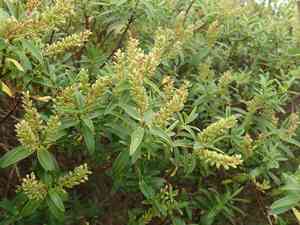
Hebe Banks peninsula flourishes when relocated during the revitalizing period of early spring or the diminishing warmth of late summer. Provide a bright spot with soil that drains effectively to aid its move. Sufficient hydration will lessen strain during its settling phase.
Essential Preparations Before Relocating Banks Peninsula Hebe?
Optimal Timing for Moving Banks Peninsula Hebe?
The best times for relocating banks peninsula hebe are early spring and late summer. These periods offer mild temperatures and sufficient moisture, aiding root establishment and development. Transplanting during these seasons minimizes plant stress and boosts survival rates, ensuring banks peninsula hebe adapts well to its new setting.
Recommended Spacing Between Banks Peninsula Hebe Plants?
When relocating banks peninsula hebe, ensure each plant is spaced 12-18 inches (30-45 cm) apart. This spacing allows for proper growth and air circulation, helping your plants flourish.
Ideal Soil Mixture for Banks Peninsula Hebe Relocation?
Prepare well-draining soil for banks peninsula hebe. Combine garden soil with compost or a balanced base fertilizer to enrich it. This plant prefers slightly acidic to neutral soil for optimal development.
Selecting a New Site for Your Banks Peninsula Hebe?
Choose a sunny spot for relocating banks peninsula hebe. This perennial thrives in full sunlight but can endure partial shade. Ensuring your plant receives 6-8 hours of sunlight daily will encourage robust growth.
Necessary Equipment for Transplanting Banks Peninsula Hebe?
Gardening Gloves
To safeguard your hands while handling soil and the plant.
Shovel or Spade
For excavating around the plant and preparing a new hole for relocation.
Garden Trowel
For precise work around the root system and the new planting area.
Pruning Shears
To trim any damaged or overgrown branches before and after the move.
Watering Can
To maintain soil moisture during and following the transplanting process.
Compost or Mulch
To enrich the new planting site and help retain soil moisture.
Plant Label & Marker
To identify the newly relocated plant easily.
How to Extract Banks Peninsula Hebe from the Ground?
How to Extract Banks Peninsula Hebe from the Ground?
From Ground: First, hydrate the banks peninsula hebe plant to moisten the soil. Next, dig a wide trench around the plant using a shovel or spade, ensuring the plant's root ball remains intact. Carefully work the spade beneath the root ball to lift the plant from its original spot.From Pot: Water the banks peninsula hebe plant thoroughly. Gently tilt the pot sideways or upside down, tapping the base to slide the plant out. If it resists, use a garden trowel to carefully loosen the soil around the edges.From Seedling Tray: Lightly water the banks peninsula hebe seedling. Gently push up from the tray's bottom to lift the seedling, holding it by its leaves, not the stem, to prevent harm.
Detailed Steps for Transplanting Banks Peninsula Hebe
Preparing the New Location
Ensure the new planting site is ready before extracting your banks peninsula hebe from its current spot. Dig a hole that is twice as wide and the same depth as the plantâs root ball.
Incorporating Organic Material
Mix compost or a well-balanced fertilizer into the soil at the bottom of the hole to provide the plant with a nourishing start.
Positioning the Plant
Place the banks peninsula hebe in the center of the hole, ensuring the top of the root ball is level with the ground surface. Backfill with soil, gently compacting it to remove air pockets.
Watering the Plant
Thoroughly water the banks peninsula hebe after transplanting to help settle the soil and encourage root establishment in its new location.
Applying Mulch
Add a layer of mulch around the base of the banks peninsula hebe to help retain soil moisture and suppress weeds. Keep the mulch a few inches away from the stem to prevent rot.
Supporting the Plant
If your banks peninsula hebe is tall or has a dense canopy, consider staking it to provide support as it establishes in its new location.
Post-Transplant Care for Banks Peninsula Hebe?
Watering
Keep the soil around the banks peninsula hebe consistently moist, but not waterlogged, for the initial weeks after transplanting to aid in developing strong roots.
Monitoring
Regularly inspect the banks peninsula hebe for indications of transplant shock, such as wilting leaves or stunted growth, and provide additional care if necessary.
Pruning
Trim any dead or damaged foliage to encourage new growth and alleviate stress on the plant.
Feeding
After a few weeks, you can begin feeding the banks peninsula hebe with a balanced fertilizer to support its growth in the new location.
Resolving Common Issues with Banks Peninsula Hebe Transplantation.
When is the best time to transplant banks peninsula hebe?
Early spring or late summer is ideal for transplanting banks peninsula hebe.
What spacing should I use when transplanting banks peninsula hebe?
Space each plant 12-18 inches (30-45 cm) apart for optimal growth.
How should I prepare the soil for banks peninsula hebe?
Ensure well-draining soil enriched with organic matter for successful transplantation.
How do I minimize transplant shock in banks peninsula hebe?
Water the plant thoroughly before and after transplanting to reduce shock.
What depth should I plant banks peninsula hebe?
Plant at the same depth as it was in its original container.
How much water does banks peninsula hebe need after transplanting?
Water deeply immediately after transplanting, and then keep the soil consistently moist.
What type of location is ideal for transplanting banks peninsula hebe?
Choose a location with full sun to partial shade for best results.
Should I trim banks peninsula hebe before transplanting?
Yes, lightly trimming helps to reduce water loss and ease the transplanting process.
What should I do if banks peninsula hebe appears wilted after transplanting?
Increase watering frequency and provide temporary shade to help the plant recover.
Is fertilizing necessary when transplanting banks peninsula hebe?
Apply a balanced, slow-release fertilizer to promote healthy root development.



