How to Transplant Dillenius's speedwell?
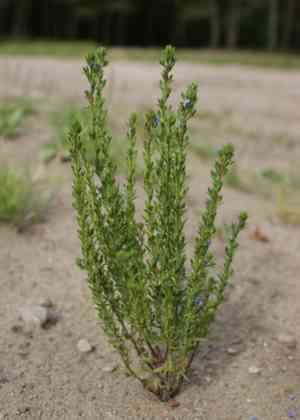
Dillenius's speedwell flourishes when relocated during the lively period spanning late winter to early spring, benefiting from the cooler climate. Provide a brightly lit spot with soil that drains effectively for peak development.
Essential Preparations Before Relocating Dillenius's Speedwell
Optimal Timing for Moving Dillenius's Speedwell?
The best period for relocating dillenius's speedwell spans from early spring through mid-season. This timeframe leverages mild temperatures and increased rainfall, which helps minimize transplant stress and encourages strong root development. Moving plants in early to mid-spring allows them ample opportunity to flourish and bloom throughout the growing cycle.
Recommended Spacing Between Dillenius's Speedwell Plants?
When relocating dillenius's speedwell, ensure a separation of 12-18 inches (30-45 cm) between them. This provides sufficient room for growth and prevents overcrowding, which can lead to poor air circulation and heightened disease risk.
Ideal Soil Mixture for Dillenius's Speedwell Relocation?
Prepare a well-draining soil blend incorporating a foundational fertilizer suitable for annuals. A balanced 10-10-10 fertilizer is a good choice. Ensure the soil's pH is between 6.0 and 7.0 for dillenius's speedwell's best growth.
Where to Replant Your Dillenius's Speedwell?
Select a site that receives full sunlight for at least 6-8 hours daily. Dillenius's speedwell thrives in sunny locations, which aids in producing lush foliage and vibrant blooms.
Tools Required Before Moving Dillenius's Speedwell
Gardening Gloves
To safeguard your hands while handling soil and plants.
Trowel
For excavating holes at the new planting site.
Spade or Shovel
To dig a perimeter around the plant when extracting it from its original spot.
Watering Can
To hydrate the plants before and after relocation.
Wheelbarrow
To move the plant if it needs to be transported a certain distance.
Garden Fork
To loosen the soil surrounding the plant when removing it from the ground.
Pruners
To trim any damaged or excessively long roots.
Mulch
To assist in retaining moisture around the newly relocated plant.
How to Extract Dillenius's Speedwell from the Ground?
How to Extract Dillenius's Speedwell from the Ground?
From Ground: First, moisten the dillenius's speedwell plant to dampen the soil. Next, use a shovel or spade to dig a wide trench around the plant, ensuring the root ball remains intact. Carefully work the spade beneath the root ball to lift the plant from its initial position.From Pot: Thoroughly water the dillenius's speedwell plant before attempting removal. Gently tap the pot's sides to loosen the soil, then invert the pot, supporting the plant with your hand, and allow the root ball to slide out. If the plant is stuck, a trowel can be used to carefully loosen the edges.From Seedling Tray: Ensure the soil is damp before beginning. Use a small trowel or your fingers to carefully lift each dillenius's speedwell seedling from the tray, taking care to preserve as much of the root structure as possible.
Detailed Guide for Relocating Dillenius's Speedwell
Site Preparation
Prepare the new planting site by clearing away weeds and debris, ensuring the soil is loose and ready for the plant.
Digging Hole
Excavate a hole at the new site that is twice as wide and equally deep as the dillenius's speedwell plant's root ball.
Placing the Plant
Carefully position the dillenius's speedwell plant into the hole, ensuring it sits at the same depth it was growing in its previous spot. Adjust the height by adding or removing soil at the bottom of the hole.
Backfilling
Gently fill the hole with soil, pressing down lightly to remove air pockets but avoiding excessive compaction around the roots.
Watering
Thoroughly water the dillenius's speedwell plant after relocation to help settle the soil and minimize transplant shock.
Mulching
Apply a layer of mulch around the plant's base to help retain moisture and regulate soil temperature.
Post-Relocation Care for Dillenius's Speedwell
Watering
Keep the soil around the dillenius's speedwell consistently moist, but not waterlogged, for the initial weeks after relocation to aid in strong root establishment.
Monitoring
Regularly inspect the plant for signs of distress, such as wilting or yellowing leaves, and take appropriate action if necessary.
Weed Control
Maintain a weed-free area around the dillenius's speedwell plant to reduce competition for nutrients and water.
Support
If the dillenius's speedwell plant appears to be drooping or unstable, consider providing temporary support, such as stakes or cages.
Pruning
Lightly trim any damaged or dead foliage to encourage healthy growth and establishment in its new location.
Resolving Common Issues with Dillenius's Speedwell Relocation.
When is the best time to move dillenius's speedwell?
The ideal time is early to mid-spring, ensuring the ground is unfrozen and workable.
What spacing should I use for dillenius's speedwell?
Position each plant 12-18 inches (30-45 cm) apart to ensure adequate room for growth.
Why is my dillenius's speedwell wilting after being moved?
They might be experiencing transplant shock. Ensure proper hydration and initially avoid direct sunlight.
How should I prepare the soil for dillenius's speedwell?
Use well-draining soil mixed with compost to supply nutrients and support healthy root development.
What if dillenius's speedwell has yellow leaves after relocation?
Yellow leaves can indicate overwatering or a nutrient deficiency. Adjust watering and consider fertilization.
How deep should I plant dillenius's speedwell?
Plant dillenius's speedwell at the same depth it was growing in its original container to prevent stress.
Should I acclimate dillenius's speedwell before moving it?
Yes, gradually expose dillenius's speedwell to outdoor conditions over 7-10 days to lessen transplant shock.
How often should I water dillenius's speedwell after relocation?
Water thoroughly after moving and keep the soil moist but not waterlogged for the initial few weeks.
What type of mulch is best for dillenius's speedwell?
Utilize organic mulch like straw or compost to retain moisture and regulate soil temperature.
Can dillenius's speedwell be moved in the summer or fall?
It's best to relocate dillenius's speedwell in early to mid-spring for optimal growth and minimal stress.



