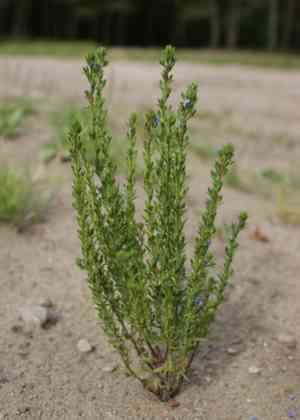
Dillenius's speedwell (Veronica dillenii)
Also known as: none
Dillenius's speedwell (Veronica dillenii) is a resilient perennial herb characterized by its slender stems and small, oblong leaves with toothed edges. The plant showcases bright blue flowers with pale centers. It flourishes in well-drained, sandy or chalky soils, typically in open, sunny areas such as meadows, grasslands, and roadside verges. Despite its delicate appearance, Dillenius's speedwell is hardy and well-suited to thriving in challenging environments.
In This Article
Attributes of Dillenius's speedwell
Lifespan
Annual
Plant Type
Herb
Plant Height
10-30 cm
Spread
20-40 cm
Leaf Color
Green
Flower Size
0.5-1 cm
Flower Color
Blue, Violet
Images of Dillenius's speedwell
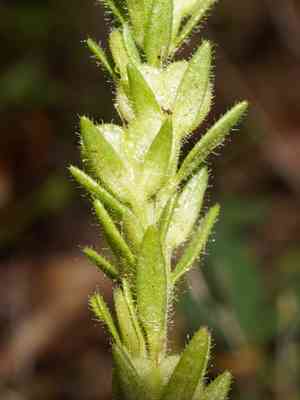

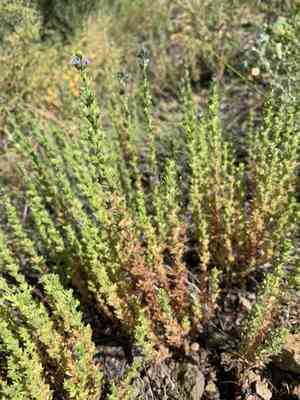
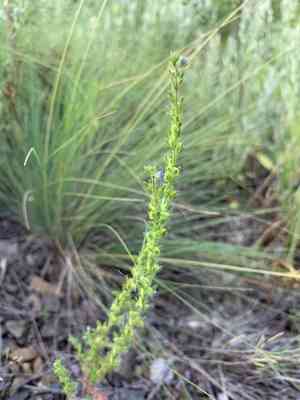
Quickly Identify Dillenius's speedwell
1
Look for small, lance-shaped leaves and clusters of tiny blue or violet flowers. The plant has a low, spreading growth habit.
Scientific Classification of Dillenius's speedwell
Phylum
Vascular plants
Class
Dicotyledons
Order
Lamiales
Family
Plantain
Genus
Speedwells
Species
Dillenius's speedwell
Planting and Growing of Dillenius's speedwell
Care Difficulty
Easy
Watering Schedule
Every 4 days
Sunlight Requirements
Partial sun
Sunshine Duration
6-10 hours
Ideal Temperature
60-70℉
Soil Type
Potting Mix, Peat Mix
Soil pH
6.5-7.5
Fertilizer Type
Balanced
Pruning Season
Spring, Summer
Pruning Area
Branches, Leaves
Pruning Frequency
2 times a year
Repotting Season
Spring
Pot Type
Plastic, Ceramic
 How to Water Dillenius's speedwell?
Veronica dillenii typically requires around 200ml of water per session. The key is to ensure that the soil is moist but not waterlogged. Water thoroughly until water begins to seep out of the drainage holes, showing that it has reached the root zone. Ensure complete drainage to prevent root rot.
What are the symptoms of an underwatered Dillenius's speedwell?
›
What should I do if my Dillenius's speedwell is not getting enough water?
›
What are the symptoms of an overwatered Dillenius's speedwell?
›
How to save an overwatered Dillenius's speedwell?
›
 What Are the Sunlight Requirements for Dillenius's speedwell?
Partial sun, ranging from 4-6 hours daily, offers Veronica dillenii balanced light, promoting lush growth and vibrant coloration while preventing damage from excessive exposure.
What is the optimal light condition for Veronica dillenii?
›
How can I provide ideal lighting for this plant?
›
What benefits does ideal lighting offer to Veronica dillenii?
›
 What Is the Ideal Temperature Range for Dillenius's speedwell?
The ideal temperature range for Veronica dillenii is between 60°F and 70°F. This range provides optimal conditions for growth and photosynthesis, allowing the plant to thrive and develop vibrant blooms. Temperature stability within this range ensures that metabolic processes proceed efficiently, promoting overall plant health.
 What Soil is Best for Dillenius's speedwell?
Veronica dillenii thrives in well-drained soils, ensuring the roots do not sit in water, which could lead to root rot. Good drainage helps the plant absorb nutrients more effectively, promoting healthy growth and vibrant blooms. The plant prefers moderately fertile soil, which provides enough nutrients without overwhelming young roots. Ensuring a balanced level of organic matter helps to maintain optimal fertility, leading to lush foliage and sturdy stems. Although Veronica dillenii prefers well-drained conditions, it also requires moisture-retentive soil. Proper moisture levels ensure that the plant remains hydrated during dry periods, preventing wilting and encouraging strong development.
 How to Fertilize Dillenius's speedwell?
Veronica dillenii requires a balanced fertilization regimen. When using liquid fertilizers, a dilution rate of 1/2 strength is recommended to avoid root burn. For slow-release fertilizers, ensure they are spread evenly around the base of the plant, using around 5 grams per plant each application.
 How to Prune Dillenius's speedwell?
Begin by assessing the overall shape and health of Veronica dillenii. Use clean, sharp pruning shears to remove any dead, diseased, or damaged stems at the base. Focus on maintaining an open structure to promote air circulation within the foliage, reducing the potential for fungal diseases and enhancing sun exposure to all parts of the plant. To encourage bushier growth, selectively pinch or trim back the tips of the stems by a few inches. This not only stimulates the production of side shoots but also supports a more compact and tidy habit. Be gentle to avoid unnecessary plant stress, and avoid removing more than one-third of the total plant at any given time. Throughout its blooming period, deadhead spent flowers regularly to prolong the flowering season. Removing faded blooms directs the plant's energy towards producing new buds and flowers instead of seed production, ensuring a longer and more vibrant display of blooms.
 How to Propagate Dillenius's speedwell plant?
1
Collect seeds from mature plants during late summer. Clean and dry the seeds thoroughly to prevent mold. Store them in a cool, dry place if not sowing immediately.
2
Select healthy non-flowering stems. Cut a 10-15 cm length below a node. Remove lower leaves, keeping two to three leaves at the top, then insert the cutting into moistened soil.
3
Dig up entire plants in autumn. Use a sharp knife or spade to divide the root ball into smaller sections, ensuring each section has roots. Replant immediately to prevent drying out.
 How to Repot Dillenius's speedwell plant?
1
Watch for signals like roots growing out of the pot's bottom or a slowdown in growth. Springtime typically provides the ideal balance of warmth and light to help Veronica dillenii establish itself in a new pot environment, making it an optimal time for repotting.
2
Select a pot that is approximately 2 inches wider in diameter than the current pot. Adequate drainage is vital to prevent waterlogging, which helps avert root rot. Ensuring the pot size allows for sufficient growth without overwhelming the plant is key.
3
Opt for a well-drained sandy loam with excellent air circulation. This will retain enough moisture for Veronica dillenii while providing the necessary nutrients to maintain healthy growth and prevent compaction.
Learn More About Dillenius's speedwell Diseases
Bacterial Leaf Spot
Bacterial Soft Rot
Chemical Injury
Damping-off
Downy Mildew
Drought Stress
Fusarium Wilt
Gray Mold
Leaf Curl
Leaf Spot
Mosaic
Nutrient Deficiency
Nutrient Toxicity
Powdery Mildew
Root Rot
Root-knot Nematode
Rusts
Sooty Mold
Spider Mites
Temperature Stress
Thrips Damage
White Mold



