How to Transplant Green field-speedwell?
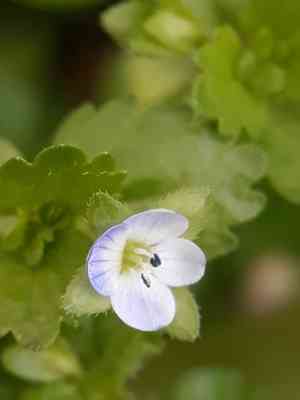
Transplant green field-speedwell during the gentle warmth of mid-to-late spring for optimal rooting. Choose locations that receive full sun to partial shade and feature soil that drains effectively. Careful manipulation aids in a smooth relocation. This ensures a flourishing start for green field-speedwell in its new environment.
Essential Preparations Before Relocating Green Field-speedwell
Optimal Timing for Green Field-speedwell Relocation?
The best period to move green field-speedwell is during spring's peak vigor, typically from mid to late spring. This timeframe offers the perfect mix of mild temperatures and increasing daylight, vital for green field-speedwell to establish roots effectively and utilize the entire growing season. Transplanting green field-speedwell then ensures smooth acclimatization, avoiding summer heat stress and benefiting from spring rains that support strong development. Introducing green field-speedwell to your garden at this point maximizes their growth potential and prepares them for a thriving season.
Recommended Spacing Between Green Field-speedwell Plants?
When preparing to plant your green field-speedwell, allow them adequate room to thrive! Aim for a separation of approximately 4-6 inches (10-15 cm) between each specimen. This will provide them ample space to develop robustly and healthily!
Ideal Soil Blend for Green Field-speedwell Transplanting?
Let's prepare the perfect bed for your green field-speedwell! Select well-draining soil abundant in organic material. Incorporating a small amount of base fertilizer into the soil before planting will create an optimal environment for prolific growth. Consider it a comfortable blanket and nourishing meal for your plants.
Preferred Location for Your Green Field-speedwell?
Sunlight is beneficial for your green field-speedwell! Choose a site that receives ample light—full sun to partial shade is perfect. This cheerful plant appreciates a good balance of sunny rays and gentle shade to flourish.
Tools Required Before Transplanting Green Field-speedwell
Gardening Gloves
To safeguard your hands while handling soil and plants.
Trowel
For digging and moving the green field-speedwell from its original spot to the new location.
Watering Can
To pre-water the green field-speedwell before extraction and to irrigate after replanting.
Spade or Shovel
To be used for excavation if green field-speedwell is being moved from the ground.
Pruning Shears
For trimming any damaged roots or excess foliage prior to transplanting.
Tape Measure
To ensure correct spacing between plants during transplantation.
Wheelbarrow (Optional)
To assist in transporting the green field-speedwell and soil if necessary.
Method for Extracting Green Field-speedwell from the Soil
Method for Extracting Green Field-speedwell from the Soil?
From Ground: First, water the green field-speedwell to moisten the soil. Use a spade or shovel to dig a wide circle around the plant, ensuring the roots remain undisturbed. Gradually deepen the trench and carefully lift out the root ball. From Pot: Dampen the soil, then gently tap the pot's sides to loosen the soil. Tilt the pot sideways and guide the green field-speedwell out while supporting the plant and root ball. From Seedling Tray: Water the tray to make the soil pliable. Use a trowel or similar tool to gently lift the green field-speedwell from its individual cell without harming the delicate roots.
Step-by-Step Guide for Relocating Green Field-speedwell
Preparation
Water the green field-speedwell thoroughly several hours before transplanting to minimize shock and hydrate the roots.
Digging the Hole
Excavate a hole in the ground slightly larger than the root ball of the green field-speedwell.
Transplanting
Position the green field-speedwell in the hole, placing it at the same depth it was previously growing. Backfill the hole with soil, gently firming it around the roots.
Aftercare
Water the green field-speedwell well to settle the soil and remove air pockets. If the plant is tall or top-heavy, consider providing support with stakes.
Monitoring
Check the green field-speedwell frequently for the initial few days to ensure it is adapting to its new location and adjust care as required.
Post-Transplant Care for Green Field-speedwell
Staking
Offer support with stakes if the green field-speedwell is tall and prone to bending or breaking.
Monitoring
Observe the green field-speedwell daily for indications of stress and respond promptly, such as adjusting watering or providing shade, if necessary.
Pruning
Remove any dead or damaged leaves to help the green field-speedwell direct its energy towards establishing new roots and growth.
Protection
Safeguard the newly transplanted green field-speedwell from pests and, if needed, apply appropriate, gentle pest control measures.
Addressing Common Issues with Green Field-speedwell Transplantation.
Why is my green field-speedwell struggling after transplanting?
Ensure you are transplanting during the optimal period, from mid-to-late spring. Insufficient watering or nutrient-deficient soil could also impact growth.
What is the ideal spacing for green field-speedwell when transplanting?
Space green field-speedwell approximately 4-6 inches (10-15 cm) apart. This spacing promotes growth without overcrowding, allowing ample room for roots to spread.
How much should I water green field-speedwell after transplanting?
Water generously immediately after transplanting to aid root establishment. Afterward, maintain moist soil, being careful not to overwater and risk root rot.
Can I transplant green field-speedwell in full sun?
Ideally, green field-speedwell prefers partial shade but can tolerate full sun. Monitor for signs of stress if in full sun, such as wilting or leaf scorch.
Why are the leaves of my transplanted green field-speedwell turning yellow?
Yellowing could indicate over-watering or poor drainage. Check the soil and adjust your watering routine accordingly, ensuring the soil drains effectively.
When should I avoid transplanting green field-speedwell?
Avoid transplanting green field-speedwell during extreme conditions like the hottest summer days or when frost is anticipated. These conditions can shock the plant.
Is fertilizing necessary after transplanting green field-speedwell?
You can apply a balanced fertilizer sparingly after transplanting to encourage growth, but avoid over-fertilizing as it can harm delicate roots.
How deep should the hole be when transplanting green field-speedwell?
Dig a hole twice the size of the root ball but no deeper, allowing green field-speedwell to sit at its previous growing level.
What type of soil is best for transplanting green field-speedwell?
Use well-draining soil rich in organic matter. Green field-speedwell does not thrive in overly clayey or sandy soils without proper amendments.
How should I handle green field-speedwell roots when transplanting?
Gently separate the roots of green field-speedwell before planting to encourage them to spread. Avoid rough handling of the roots to prevent damage.



