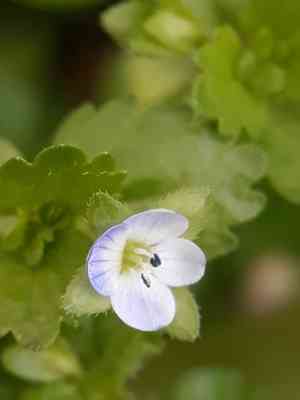
Green field-speedwell (Veronica agrestis)
Also known as: Procumbent speedwell
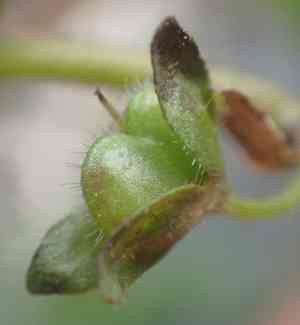
The plant you're referring to is likely **Green Field-speedwell (Veronica agrestis)**. This annual features small bluish-purple flowers that bloom from summer through fall. As the flowers fade, heart-shaped seeds mature and ripen by fall. Though often regarded as a weed, its delicate blue blossoms add a charming touch.
In This Article
Attributes of Green field-speedwell
Lifespan
Annual
Plant Type
Herb
Plant Height
5 cm to 30 cm
Spread
Does not typically have a crown; spreads close to the ground
Leaf Color
Green
Flower Size
3 mm to 6 mm
Flower Color
White Blue
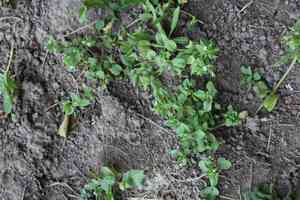
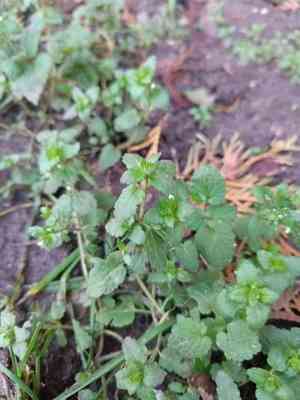
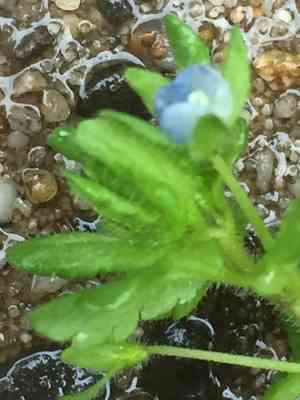
Images of Green field-speedwell
Quickly Identify Green field-speedwell
1
To identify Veronica agrestis, look for its small, heart-shaped leaves that are arranged oppositely on the stem. The plant has small pale blue to purple flowers with darker veining, and its stems may have a creeping habit.
Scientific Classification of Green field-speedwell
Phylum
Vascular plants
Class
Dicotyledons
Order
Lamiales
Family
Plantain
Genus
Speedwells
Species
Green field-speedwell
Planting and Growing of Green field-speedwell
Care Difficulty
Easy
Watering Schedule
Every 8 days
Sunlight Requirements
Partial sun
Sunshine Duration
6-10 hours
Ideal Temperature
60-75℉
Soil Type
Potting Mix, Peat Mix
Soil pH
6.5-7.5
Fertilizer Type
Balanced
Pruning Season
Spring, Summer
Pruning Area
Branches, Leaves
Pruning Frequency
2 times a year
Repotting Season
Spring
Pot Type
Plastic, Ceramic
 How to Water Green field-speedwell?
Veronica agrestis prefers soil that is consistently moist but not waterlogged. The best practice is to water it thoroughly until the water seeps through the drainage holes, ensuring the soil is uniformly moistened. The 250 ml quantity is generally enough for a medium-sized pot to achieve this balance.
What are the symptoms of an underwatered Green field-speedwell?
›
What should I do if my Green field-speedwell is not getting enough water?
›
What are the symptoms of an overwatered Green field-speedwell?
›
How to save an overwatered Green field-speedwell?
›
 What Are the Sunlight Requirements for Green field-speedwell?
Partial sun or full sun exposure is ideal for Veronica agrestis, supporting lush growth and prolific blooming. Adequate light ensures robust photosynthesis and strong structural development.
More About Sunlight Requirements Techniques→
Ideal Light Intensity
›
Achieving Ideal Light Conditions
›
Benefits of Ideal Lighting
›
 What Is the Ideal Temperature Range for Green field-speedwell?
The ideal temperature range for Veronica agrestis is between 60°F and 75°F. This range offers the best conditions for healthy growth, allowing the plant to efficiently conduct metabolic processes and maximize flowering and foliage development.
 What Soil is Best for Green field-speedwell?
Veronica agrestis thrives in nutrient-rich soil that supports its growth and flowering. Ensuring that the soil is amended with organic matter can help replenish nutrients and maintain soil fertility, resulting in healthier plants. The plant flourishes in well-draining soils. Loamy or sandy loam soils are essential because they prevent waterlogging, which can lead to root rot. Optimizing drainage is important for the plant's survival and vigor. While good drainage is crucial, maintaining moderate moisture levels is also important for Veronica agrestis. The soil should retain enough moisture to sustain the plant between waterings, promoting consistent growth.
 How to Fertilize Green field-speedwell?
For Veronica agrestis, it is best to use a balanced, water-soluble fertilizer. Apply at half the recommended strength to avoid over-fertilization. Typically, 1/4 teaspoon per gallon of water is adequate, ensuring not to saturate the soil too much.
 How to Prune Green field-speedwell?
Start by removing any dead or yellowing leaves to enhance air circulation and light penetration. Then, carefully trim back overgrown stems to maintain shape. Perform pruning during the cooler parts of the day to reduce stress on the plant. Early morning or late afternoon are ideal times.
More About Pruning Techniques→
 How to Propagate Green field-speedwell plant?
1
Fill the seed trays with a sterile, well-draining potting mix, leaving some space at the top. Water the mix lightly to ensure it is moist but not waterlogged, providing ideal conditions for seed germination.
2
Sprinkle Veronica agrestis seeds evenly over the moist potting mix, then lightly cover them with a thin layer of the same mix. Ensure the seeds have adequate light, as some species require light for germination.
3
Place the trays in a warm, well-lit area out of direct sunlight. Maintain a consistent temperature, ideally between 18-22°C (65-72°F), and keep the potting mix moist by misting as necessary.
 How to Repot Green field-speedwell plant?
1
Veronica agrestis needs repotting when you notice roots growing through the drainage holes, indicating that it's root-bound. Another sign is when the plant appears stunted or growth has slowed. Ideally, repot in spring or summer to give it the best chance to adjust and thrive.
2
Select a pot that's one size larger than the current one to give ample space for growth. Clay or ceramic pots work well as they provide good aeration to the roots. Ensure the pot has drainage holes to prevent root rot and maintain healthy root conditions.
3
Opt for a well-draining potting mix that retains moisture yet allows air circulation. This prevents waterlogging and provides essential nutrients. A mix containing peat, perlite, and garden soil is ideal to maintain a balanced moisture level and promote healthy root development.



