How to Transplant Stemless ironweed?
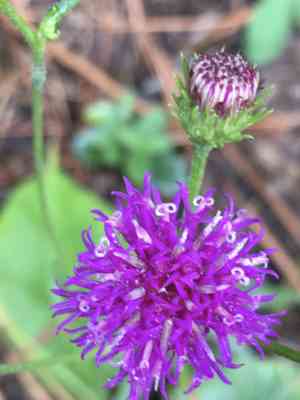
Stemless ironweed flourishes when relocated in the lively early to mid-spring period, guaranteeing peak development. Opt for a bright or partially shaded spot featuring soil that drains effectively. This specific period and positioning foster robust root establishment and minimize the stress of transplantation.
What Preparations are Needed Before Transplanting Stemless Ironweed?
What is the Ideal Time for Transplanting Stemless Ironweed?
For stemless ironweed, the best time to move it is during early to mid-spring. This period allows stemless ironweed to establish its root system before its active growth phase. Transplanting at this time promotes strong root development and lessens transplant shock, ensuring vigorous growth throughout the warmer months.
How Much Space Should You Leave Between Stemless Ironweed Plants?
When relocating stemless ironweed, position each plant 18-24 inches (45-60 cm) apart to ensure ample room for their development and flourishing.
What is the Best Soil Mix for Stemless Ironweed Transplanting?
Prepare soil that drains well with a pH ranging from slightly acidic to neutral. Incorporate organic compost or a balanced base fertilizer to enrich the soil before moving stemless ironweed.
Where Should You Relocate Your Stemless Ironweed?
Select a site with full sun exposure for transplanting stemless ironweed. Ensure the chosen spot receives at least 6-8 hours of daily sunlight to encourage healthy growth.
What Equipments Should You Prepare Before Transplantation Stemless Ironweed?
Gardening Gloves
To safeguard your hands while handling soil and plants.
Shovel or Spade
For excavating around the plant to extract it and to prepare the new planting site.
Watering Can or Hose
To hydrate the plant both before and after its relocation.
Trowel
For more precise digging and lifting of smaller plants or young sprouts.
Wheelbarrow
For moving the plant from its original spot to the new location, especially if the root ball is large and heavy.
Pruners
To trim any damaged or unnecessary roots.
Mulch
To aid in moisture retention and inhibit weed growth around the newly transplanted plant.
How Do You Remove Stemless Ironweed from the Soil?
How Do You Remove Stemless Ironweed from the Soil?
From Ground: First, water the stemless ironweed plant to moisten the soil. Then, dig a wide trench around the plant using a shovel or spade, making sure the plant's root ball stays intact. Carefully work the spade beneath the root ball to lift the plant from its original position.From Pot: Water the stemless ironweed plant to loosen the soil. Gently tap the pot to release the root ball, then slide the plant out. Be careful not to pull the plant by its stem.From Seedling Tray: Water the seedlings to facilitate their removal. Using a trowel or your fingers, gently lift the stemless ironweed seedlings out, taking care to keep as much of the root system intact as possible.
Step-by-Step Guide for Transplanting Stemless Ironweed
Site Preparation
Ensure the new location has been prepared with the correct soil conditions and is ready for the transplant.
Dig New Hole
Excavate a hole in the new spot that is twice as wide and the same depth as the plant's root ball.
Place Plant
Position the stemless ironweed plant in the hole at the same depth it was growing previously. Backfill the hole with soil, spreading the roots out as you do so.
Firm the Soil
Gently press the soil around the base of the stemless ironweed plant to eliminate air pockets and ensure good soil-to-root contact.
Watering
Give the transplanted stemless ironweed plant a thorough watering to help settle the soil and begin establishing its roots in the new location.
Add Mulch
Apply a layer of mulch around the base of the stemless ironweed plant to help retain moisture and suppress weed growth.
How Do You Care For Stemless Ironweed After Transplanting?
Watering
Keep the soil around the stemless ironweed consistently moist, but not waterlogged, for the initial weeks after transplanting to help establish strong roots.
Pruning
Remove any damaged or dead leaves to help the plant direct its energy towards new growth.
Monitoring
Regularly check for signs of stress or pests, and address any issues promptly to ensure the plant establishes well in its new location.
Stake Support
If the stemless ironweed plant shows signs of wobbling or leaning, consider using a stake to support it until it becomes firmly established.
Troubleshooting Common Issues with Stemless Ironweed Transplantation.
When is the best time to transplant stemless ironweed?
Relocate stemless ironweed in early to mid-spring for optimal results.
What is the recommended spacing for stemless ironweed?
Space stemless ironweed plants 18-24 inches (45-60 cm) apart for healthy growth.
How do I prepare the soil for stemless ironweed?
Use well-drained, loamy soil enriched with compost to provide nutrients for stemless ironweed.
How deeply should I plant stemless ironweed?
Plant stemless ironweed at the same depth as it was in its original pot or garden location.
What should I do if stemless ironweed looks wilted after transplanting?
Water thoroughly and provide shade for a few days to help stemless ironweed recover.
How much water does stemless ironweed need after transplanting?
Keep the soil consistently moist but not waterlogged until stemless ironweed is established.
Should I fertilize stemless ironweed immediately after transplanting?
Wait a few weeks before fertilizing to allow stemless ironweed to adjust to its new location.
How can I protect stemless ironweed from transplant shock?
Water well, avoid root disturbance, and transplant on overcast days to minimize shock.
What if stemless ironweed is not growing after transplanting?
Ensure proper spacing, water, and sunlight; check for pests or diseases.
How much sunlight does stemless ironweed need after transplanting?
Provide full sun to partial shade for stemless ironweed to thrive in its new spot.



