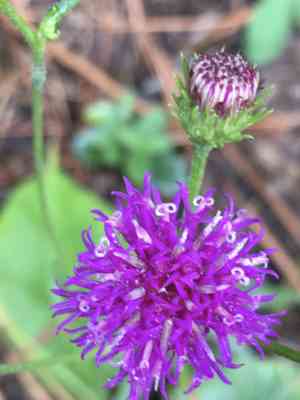
Stemless ironweed (Vernonia acaulis)
Also known as: Ironweed
Stemless ironweed (Vernonia acaulis) is a perennial herb recognized for its unique growth habit, featuring vibrant purple flowers that bloom directly from its basal leaves. It flourishes in well-drained soils found in grasslands and open woodlands, thriving in sunny locations. Its striking, tufted flower clusters attract a variety of pollinators, including bees and butterflies. The plant's ability to adapt to different soil conditions and its minimal care requirements make it an excellent choice for low-maintenance gardens.
In This Article
Attributes of Stemless ironweed
Lifespan
Perennial
Plant Type
Herb
Plant Height
2-3 feet
Spread
Not applicable for herbaceous plants
Leaf Color
Green
Flower Size
1-1.5 inches
Flower Color
Purple
Images of Stemless ironweed
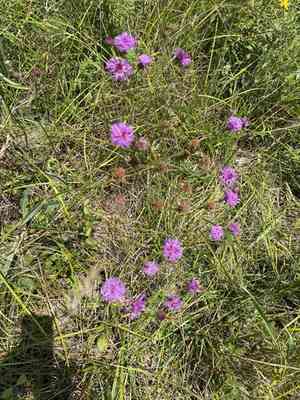
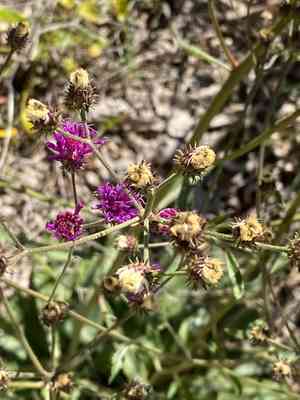
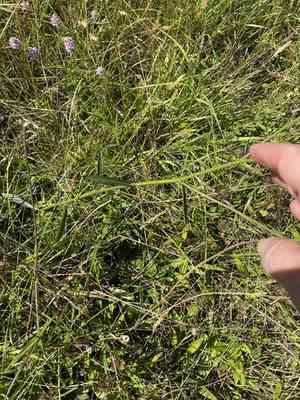
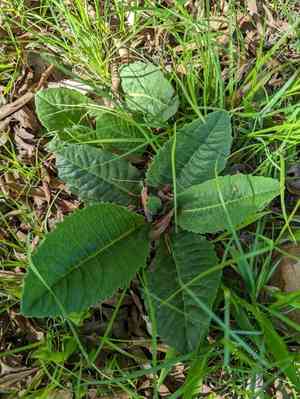
Quickly Identify Stemless ironweed
1
Basal rosette with no visible stem, floral stems 36-42 inches (91-107 cm) tall
2
Vibrant purple-fuchsia flowers in loose clusters, 1/2 inch (1.3 cm) wide
3
Distinctive rust-colored achenes in clustered arrangement for wind dispersal
4
Basal leaves 4-8 inches (10-20 cm) long, irregularly toothed with fine hair
5
Green, straight stem up to 2 feet (60 cm) tall, thick and smooth without branching
Scientific Classification of Stemless ironweed
Phylum
Vascular plants
Class
Dicotyledons
Order
Asterales
Family
Daisy
Genus
Vernonia
Species
Stemless ironweed
Planting and Growing of Stemless ironweed
Care Difficulty
Moderate
Watering Schedule
Every 2 days
Sunlight Requirements
Full sun
Sunshine Duration
6-10 hours
Ideal Temperature
65-75℉
Soil Type
Potting Mix, Peat Mix
Soil pH
6.5-7.5
Fertilizer Type
Balanced
Pruning Season
Spring, Summer
Pruning Area
Branches, Leaves
Pruning Frequency
2 times a year
Repotting Season
Spring
Pot Type
Plastic, Ceramic
 How to Water Stemless ironweed?
The ideal watering amount for Vernonia acaulis is approximately 500 ml per session. Ensure the soil is evenly moist but not waterlogged. It's crucial to allow the top inch of soil to dry out between waterings to prevent root rot and to mimic this plant's natural dry and wet cycle.
What are the symptoms of an underwatered Stemless ironweed?
›
What should I do if my Stemless ironweed is not getting enough water?
›
What are the symptoms of an overwatered Stemless ironweed?
›
How to save an overwatered Stemless ironweed?
›
 What Are the Sunlight Requirements for Stemless ironweed?
Vernonia acaulis benefits from full or partial sun, ensuring photosynthesis processes meet growth and flowering needs. Ideal lighting invigorates development and overall plant vitality.
What are the ideal light conditions for Vernonia acaulis?
›
How can one achieve these ideal lighting conditions?
›
What benefits does ideal lighting have for Vernonia acaulis?
›
 What Is the Ideal Temperature Range for Stemless ironweed?
The ideal temperature range for Vernonia acaulis is between 65°F to 75°F. This range ensures optimal growth as it mimics the plant's natural habitat conditions. Ensuring temperatures within this range will promote healthy photosynthesis and prevent any stress on the plant that can be caused by temperature extremes.
 What Soil is Best for Stemless ironweed?
Vernonia acaulis requires soil with good drainage to prevent root rot. This is critical for ensuring healthy growth, especially during rainy seasons, as excess water can cause detrimental effects on the plant's root system. This plant prefers moderately fertile soil that supplies essential nutrients without leading to over-fertilization. Balanced fertility supports vigorous growth and vibrant blooms, making the plant both healthy and aesthetically pleasing. While Vernonia acaulis appreciates well-draining soil, it also requires consistent moisture levels to thrive. Regular watering in dry periods helps maintain the plant's health, ensuring its leaves are lush and its flowers are vibrant.
 How to Fertilize Stemless ironweed?
For Vernonia acaulis, it's crucial to use a balanced fertilizer. Each application of liquid fertilizer should involve a diluted solution of approximately 1 teaspoon per gallon of water. For slow-release granules, apply around 2 to 3 tablespoons per plant per application. It’s important to ensure the fertilizer is well-distributed around the base of the plant and not concentrated in one spot.
 How to Prune Stemless ironweed?
Begin by identifying any dead or diseased stems and remove them completely at the base, making clean cuts. This helps prevent the potential spread of disease throughout the plant. Trim back overgrown stems to maintain the desired shape and size of the plant. This encourages a more compact growth form, enhancing the overall aesthetic appeal of Vernonia acaulis. Pinch back the shoot tips of young plants to encourage bushier growth. This involves removing just the growing tips, which stimulates lateral buds to develop into new branches.
More About Pruning Techniques→
 How to Propagate Stemless ironweed plant?
1
Gather seeds from mature Vernonia acaulis plants. Ensure the seeds are fully developed and have dried naturally on the plant for the highest germination success rate.
2
Select healthy, non-flowering stems and snip them just below a node. The cuttings should be around 10-15 cm long, and lower leaves need to be removed to reduce water loss.
3
When dividing mature plants, use a sharp spade to carefully separate clumps. Ensure each division has sufficient roots and at least one stem for successful replantation.
 How to Repot Stemless ironweed plant?
1
Repot Vernonia acaulis when you notice roots poking out of drainage holes or the plant seems stunted in growth. These signals indicate that the plant has outgrown its current pot and needs more space to thrive.
2
Select a pot that is one size larger than the current pot with ample drainage holes. The extra space allows roots to expand, aiding in better nutrient and water absorption, leading to a healthier and more robust Vernonia acaulis.
3
Opt for well-draining sandy loam that retains some moisture but doesn't remain soggy. This type of soil prevents root rot and allows for good air circulation, ensuring the optimal health and growth of your plant.
Learn More About Stemless ironweed Diseases
Anthracnose
Bacterial Leaf Spot
Bacterial Soft Rot
Bacterial Wilt
Black Spot
Chemical Injury
Crown Gall
Cyst Nematode
Damping-off
Downy Mildew
Drought Stress
Fusarium Wilt
Gray Mold
Leaf Curl
Leaf Spot
Mosaic
Nutrient Deficiency
Nutrient Toxicity
Powdery Mildew
Root Rot
Root-knot Nematode
Rusts
Sooty Mold
Spider Mites
Temperature Stress
Thrips Damage
White Mold



