How to Transplant Vatica mangachapoi?
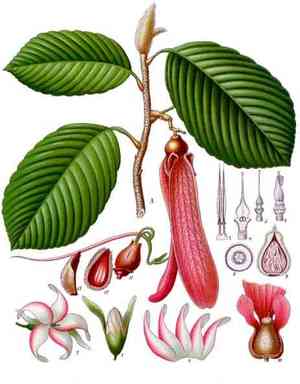
Relocate vatica mangachapoi once winter's cold recedes, preferably when mild spring temperatures encourage root development. Choose a bright, adequately draining spot, and for improved resilience, slowly introduce it to external environments.
What Preparations are Needed Before Transplanting Vatica Mangachapoi?
What is the Ideal Time for Transplanting Vatica Mangachapoi?
The optimal period to relocate vatica mangachapoi is at the onset of spring. This season provides mild temperatures and sufficient rainfall, aiding root establishment and minimizing stress for vatica mangachapoi. Moving vatica mangachapoi during this time promotes vigorous development and ensures a smooth transition, capitalizing on spring's natural renewal cycle. A well-timed transplant can result in a strong and thriving vatica mangachapoi, enhancing your garden's enduring appeal.
How Much Space Should You Leave Between Vatica Mangachapoi Plants?
When preparing to rehouse your vatica mangachapoi, aim for a spacing of 26-39 feet (8-12 meters) between them. This generous arrangement allows each plant ample room to grow without competition from neighbors. Consider it providing each plant with its own 'personal space' to flourish!
What is the Best Soil Mix for Vatica Mangachapoi Transplanting?
Your vatica mangachapoi will thrive in soil that drains well and is rich in organic material. Before planting, incorporate some compost or aged manure to give it a nutrient-rich start. This acts as a substantial meal for your plants, setting them up for success!
Where Should You Relocate Your Vatica Mangachapoi?
Select a sunny location for your vatica mangachapoi, where it can receive full sunlight for most of the day. This is their equivalent of a day at the beach! The correct spot helps them grow robust and healthy, absorbing all the light they require.
What Equipments Should You Prepare Before Transplantation Vatica Mangachapoi?
Gardening Gloves
To safeguard your hands while handling soil and plants.
Spade or Shovel
For excavating and moving the vatica mangachapoi plant.
Watering Can or Hose
To hydrate the plant prior to and following its relocation.
Wheelbarrow
To transport the vatica mangachapoi plant and soil if necessary.
Pruning Shears
To trim off dead or excess foliage for improved growth after transplant.
Garden Fork
To loosen the soil around the vatica mangachapoi if it's being moved from the ground.
Trowel
To refine the planting hole or extract vatica mangachapoi from a pot or seedling tray.
Mulch
To aid in retaining soil moisture and inhibiting weed growth after transplant.
Measuring Tape
To determine the correct depth and spacing when planting vatica mangachapoi.
Stakes or Supports
If vatica mangachapoi requires additional stability after being moved.
How Do You Remove Vatica Mangachapoi from the Soil?
How Do You Remove Vatica Mangachapoi from the Soil?
From Ground: Start by watering the vatica mangachapoi to make the soil easier to manage. Encircle the plant with a spade or shovel, digging a wide trench around it. Carefully work the shovel beneath the root ball to free it from the ground without harming the roots.From Pot: Water your vatica mangachapoi thoroughly. Tilt the pot sideways and tap the bottom or sides to dislodge the root ball. Support the base of the vatica mangachapoi with your hand, and gently pull the plant out of the pot.From Seedling Tray: Water the soil in the tray, then use a trowel or your fingers to carefully lift the vatica mangachapoi seedling out, taking care not to damage the delicate roots and stem.
Step-by-Step Guide for Transplanting Vatica Mangachapoi
Preparations
Examine the vatica mangachapoi for any indications of disease or pest damage and trim if required. Ensure the plant is well-watered a day before transplanting to hydrate its roots.
Digging a Hole
Excavate a hole twice the width of the vatica mangachapoi's root ball and equal in depth so the plant sits at ground level. Slope the sides of the hole to allow roots to spread easily.
Plant Removal
Following the removal procedure outlined above, carefully extract the vatica mangachapoi ensuring minimal disturbance to its roots.
Placing the Plant
Gently position the vatica mangachapoi in the center of the hole. Carefully spread the roots and remove any that are damaged.
Fill the Hole
Backfill the hole with the soil that was originally dug out, avoiding any additional filler material or fertilizers. Gently firm the soil to eliminate air pockets.
Water
Thoroughly water the vatica mangachapoi to settle the soil around its roots and remove air pockets.
Add Mulch
Apply a 2- to 3-inch layer of mulch around the base of the vatica mangachapoi, being careful not to pile it against the plant's stem.
Support Structures
If the vatica mangachapoi needs it, install stakes or other supports at this time to help it withstand wind.
How Do You Care For Vatica Mangachapoi After Transplanting?
Initial Watering
Water generously after transplanting and then consistently to keep the soil around the vatica mangachapoi moist for the subsequent weeks as it establishes.
Checking Stakes and Supports
Verify that any supports are secure, and inspect them regularly, adjusting as the vatica mangachapoi grows.
Mulch Monitoring
Observe the mulch layer to ensure it continues to function for moisture retention and weed suppression without being tightly packed against the stem.
Observing Plant Health
Keep a close watch on the vatica mangachapoi for any indications of stress such as wilting leaves or discoloration, and take corrective measures as needed.
Troubleshooting Common Issues with Vatica Mangachapoi Transplantation.
What's the optimum time to transplant vatica mangachapoi?
Relocating vatica mangachapoi is best done when new growth begins, typically in early to mid-spring.
How far apart should I plant vatica mangachapoi saplings?
Ideally, space vatica mangachapoi saplings 26-39 feet (8-12 meters) apart to allow adequate room for growth.
How deep should the hole be for transplanting vatica mangachapoi?
Dig a hole twice as wide as the root ball and the same depth to promote proper root development.
My vatica mangachapoi is wilting post-transplant. What could be wrong?
Wilting may be due to root damage or shock. Ensure careful handling during transplant and provide sufficient water.
What soil type is best when transplanting vatica mangachapoi?
Use well-draining soil rich in organic matter to help vatica mangachapoi establish quickly after transplanting.
Should I prune vatica mangachapoi before transplanting?
Pruning is not necessary unless to remove damaged or diseased branches, encouraging healthier growth post-transplant.
Why are my vatica mangachapoi's leaves turning yellow after transplanting?
Yellow leaves might indicate stress from improper watering or a nutrient deficiency in the soil.
How often should I water vatica mangachapoi after transplanting?
Water thoroughly after transplanting, then regularly to keep the soil moist but not waterlogged.
Can I use fertilizer immediately after transplanting vatica mangachapoi?
Wait 4-6 weeks before fertilizing to allow vatica mangachapoi to settle and prevent root burn.
Is it necessary to stake vatica mangachapoi saplings after transplanting?
Staking can offer support in windy areas, but is not always essential. If done, avoid harming the roots.



