How to Transplant Corn salad?
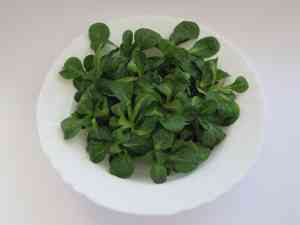
The prime period for relocating corn salad is at the onset of summer, as the temperate conditions are perfect for root development. Select an area with fertile, well-draining earth, and carefully settle the corn salad into its new location, ensuring regular hydration to facilitate its adjustment.
What Preparations are Needed Before Transplanting Corn Salad?
What is the Ideal Time for Transplanting Corn Salad?
The best time to move corn salad into your garden is during the pleasant conditions of late spring or early summer. This period offers moderate temperatures and stable growing conditions, perfect for corn salad to thrive. Transplanting then allows young corn salad to avoid harsh winter conditions while still benefiting from the remaining growing season, leading to strong development and a good harvest.
How Much Space Should You Leave Between Corn Salad Plants?
For corn salad, allow ample room for each plant to develop. Aim for a spacing of approximately 0.5-1 foot (15-30 cm) between them when planting. This provides sufficient space for their roots to spread and establish firmly!
What is the Best Soil Mix for Corn Salad Transplanting?
Before planting corn salad, prepare the soil. It should ideally be well-draining and enriched with compost or a balanced fertilizer. This will supply the necessary nutrients for healthy plant growth.
Where Should You Relocate Your Corn Salad?
Like many plants, corn salad enjoys sunlight. However, it doesn't require excessive exposure; a location with partial to full sun will suffice. You can select a spot that receives morning sun to prevent the plant from overheating.
What Equipments Should You Prepare Before Transplantation Corn Salad?
Gardening Gloves
To safeguard your hands while handling soil and plants.
Shovel or Spade
For carefully extracting the plant from its original spot without harming the root system.
Garden Trowel
To shape and prepare the new planting hole for your corn salad plant.
Watering Can
To hydrate the plant immediately after transplanting, aiding its adjustment to the new environment.
Mulch
To help retain moisture and stabilize soil temperature post-transplant.
How Do You Remove Corn Salad from the Soil?
How Do You Remove Corn Salad from the Soil?
From Ground: First, water the corn salad plant to moisten the soil. This makes the soil easier to work with and reduces stress on the roots. Then, using a shovel or spade, dig a wide trench around the plant, ensuring the root ball remains intact. Gently work the spade beneath the root ball to lift the plant from its original location. Handle the plant by the root ball to avoid damaging the stem or leaves.From Pot or Seedling Tray: Begin by watering the plant to dampen the soil, reducing root stress. Turn the pot sideways, hold the plant by its base, and gently ease it out. If it resists, tap the bottom of the pot to loosen the soil and roots. When using seedling trays, use a tool like a butter knife to carefully lift each seedling, supporting it by its leaves, not the easily damaged stem.
Step-by-Step Guide for Transplanting Corn Salad
Preparation
Begin by preparing your new planting site. Dig a hole that is twice the width and the same depth as the corn salad plant's root ball.
Placing the Plant
Position the corn salad plant in the center of the hole, ensuring the top of the root ball is level with the surrounding soil surface. It's crucial to avoid planting too deeply, as this can suffocate the roots.
Backfilling
Fill the hole with soil, gently firming it around the base of the corn salad plant. You want to eliminate air pockets but be careful not to compact it too tightly.
Watering
Water the corn salad plant immediately after transplanting. This will help settle the soil and minimize transplant shock.
Mulching
Conclude the transplanting process by spreading an even layer of mulch around the plant's base. This will help conserve moisture and regulate soil temperature.
How Do You Care For Corn Salad After Transplanting?
Watering
Aim to keep the soil consistently moist, but not waterlogged, in the weeks following transplantation. Corn salad plants prefer a continuously damp soil. However, be careful to avoid overwatering, which can lead to root rot.
Trimming
Be prepared to trim back the foliage of your corn salad plant. This can help to reduce further transplant shock as the plant won't have to support as much top growth while it's establishing its new root system.
Monitoring
Keep a close watch on your newly transplanted corn salad plant. Monitor for any signs of disease or pest infestation and take action as soon as possible. A timely response is crucial in preserving the health of your plant.
Troubleshooting Common Issues with Corn Salad Transplantation.
When is the best time to transplant corn salad?
The optimal season for transplanting corn salad is late Summer to early Fall (S3-S4). During this period, the plant will establish itself well before Winter.
What's the appropriate spacing when planting corn salad?
Corn salad needs room to grow, ideally space each plant about 0.5-1 foot (15-30 cm) apart. This allows enough space for them to grow and flourish.
Why is my transplanted corn salad wilting?
Wilting could be a sign of shock. Ensure you're watering the corn salad adequately post-transplant, keeping the soil moist but not waterlogged.
What should I do if the corn salad isn't growing post transplant?
Check your soil pH. Corn salad prefers alkaline soil with a pH of 6.0-7.0. You can use a soil test kit to verify.
Will corn salad survive if exposed to frost after being transplanted?
Corn salad is cold-hardy and can endure light frost. However, protect it during severe frost situations by providing a suitable cover.
What's the preferred soil type for transplanting corn salad?
Corn salad best grows in well-drained sandy or loamy soil. Make sure the soil is well-draining to prevent root rot.
Should I prune corn salad after transplanting?
Pruning isn't necessary for corn salad. However, remove any damaged or diseased parts to encourage new growth and maintain health.
Do I need to add fertilizer after transplanting corn salad?
Yes. Fertilize your corn salad with a balanced slow-release fertilizer to encourage vigorous growth. But don't overdo it, as this might burn the roots.
How long does it take for corn salad to establish after transplant?
It varies, but corn salad typically takes 2-3 weeks to settle and show signs of new growth. Just ensure sufficient watering and sunlight.
Why are the leaves of my transplanted corn salad turning yellow?
Yellowing leaves might indicate overwatering or nutrient deficiency. Check soil moisture levels and adjust watering accordingly. Also, consider adding a nutrient-rich fertilizer.



