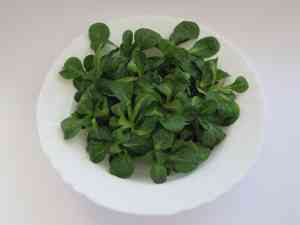
Corn salad (Valerianella locusta)
Also known as: Lamb's lettuce, Lewiston cornsalad
To ensure a winter harvest of corn salad (Valerianella locusta), sow the seeds from late August to early October. This small annual, reaching 15 to 30 cm in height, thrives in well-drained soils and can produce lush salad greens through the colder months.
In This Article
Attributes of Corn salad
Lifespan
Annual, Biennial
Plant Type
Herb
Plant Height
10 cm to 38 cm
Spread
15 cm
Leaf Color
Green
Flower Size
1 mm to 2 mm
Flower Color
White
Images of Corn salad
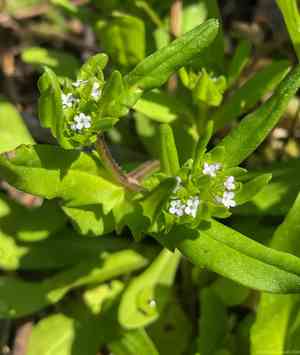
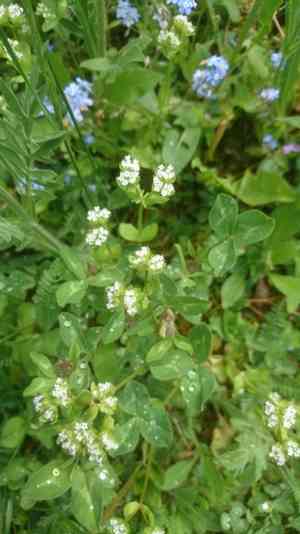
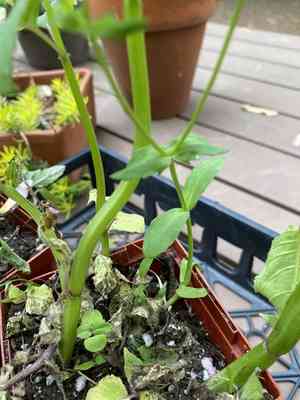
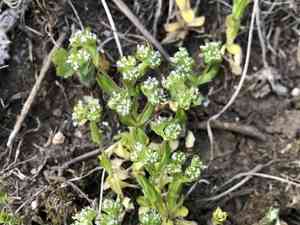
Quickly Identify Corn salad
1
Lamb\'s lettuce can be identified by its smooth, spoon-shaped leaves that form a basal rosette. The leaves are deep green and often have a slight glossy sheen. It produces tiny, bluish-white flowers in clusters on slender stems.
Scientific Classification of Corn salad
Phylum
Vascular plants
Class
Dicotyledons
Order
Dipsacales
Family
Honeysuckle
Genus
Corn salads
Species
Corn salad
Planting and Growing of Corn salad
Care Difficulty
Easy
Watering Schedule
Every 4 days
Sunlight Requirements
Partial sun
Sunshine Duration
6-12 hours
Ideal Temperature
60-68℉
Soil Type
Potting Mix, Peat Mix
Soil pH
6-7.5
Fertilizer Type
Balanced
Pruning Season
Spring, Summer
Pruning Area
Branches, Leaves
Pruning Frequency
Once a year
Repotting Season
Spring
Pot Type
Plastic, Terracotta
 How to Water Corn salad?
When watering Valerianella locusta, aim to moisten the soil thoroughly without causing waterlogging. This plant thrives in well-drained soil, so apply about 200 ml of water each time, ensuring that the top inch of soil feels damp but not soggy.
What are the symptoms of an underwatered Corn salad?
›
What should I do if my Corn salad is not getting enough water?
›
What are the symptoms of an overwatered Corn salad?
›
How to save an overwatered Corn salad?
›
 What Are the Sunlight Requirements for Corn salad?
Partial sun exposure enhances Valerianella locusta’s photosynthesis and overall growth by balancing light for energy without causing overheating or burning.
Best Location for Growth
›
Rotation for Even Growth
›
Using Shade Cloth
›
 What Is the Ideal Temperature Range for Corn salad?
Valerianella locusta, commonly known as lamb's lettuce, thrives best in cooler temperatures. An ideal temperature range for its optimal growth is between 60°F and 68°F. Maintaining this temperature range promotes healthy growth and maximizes leaf size, while also ensuring that the plant remains tender and flavorful.
 What Soil is Best for Corn salad?
Valerianella locusta thrives best in well-drained soil as it prevents waterlogging, which could lead to root rot. Ensuring proper drainage means healthier roots and better nutrient uptake. Rich soil enhances growth by providing essential nutrients like nitrogen and phosphorus. This leads to lush foliage and improves the plant's overall resilience to pests and diseases. Soil with moderate moisture retention helps in maintaining consistent hydration, vital for Valerianella locusta's healthy development, preventing both drought stress and overwatering issues.
 How to Fertilize Corn salad?
For Valerianella locusta, a modest amount of fertilizer is recommended to facilitate healthy growth. Liquid fertilizers should be diluted to half the strength to avoid overwhelming the plant's root system. Ideally, use one tablespoon of liquid fertilizer per gallon of water.
 How to Prune Corn salad?
Prune Valerianella locusta after its flowering period in late spring or early summer. This timing prevents seed production and diverts energy to foliage growth, resulting in a more robust plant. Use sharp, sanitized shears to cut back the outer leaves, leaving a few inches of growth. This not only promotes healthy new growth but also reduces the risk of disease spread through clean cuts. Remove spent flowers promptly to prevent seed formation. Deadheading directs the plant's energy towards producing vibrant greenery rather than seeds, prolonging the planting season.
 How to Propagate Corn salad plant?
1
Scatter the seeds evenly over the surface of the potting mix in seed trays. Do not cover them with too much soil; a light dusting will suffice to allow light exposure for germination.
2
Ensure the potting mix remains moist by misting the surface regularly. Avoid over-watering, as this can lead to fungal diseases affecting the seedlings.
3
Place the trays in a spot that receives ample indirect sunlight. If indoors, consider using grow lights to provide consistent light for at least 12-16 hours a day.
 How to Repot Corn salad plant?
1
Valerianella locusta shows signs of needing repotting when its roots begin to outgrow the current container, peeking through drainage holes, or if the plant's growth seems stunted. Repotting during its active growth seasons, Spring and Autumn, ensures the least amount of stress for the plant and allows it to establish itself before harsh weather conditions.
2
When selecting a pot for Valerianella locusta, choose one that's just slightly larger than the current pot, with good drainage holes to prevent waterlogging. Clay pots are ideal as they allow better air circulation and moisture evaporation, which keeps the roots healthy and avoids root rot.
3
Opt for a well-draining loamy soil mix to ensure that the Valerianella locusta does not remain waterlogged. A balanced soil with equal parts compost, sand, and garden soil provides the necessary nutrients and drainage, promoting healthy root growth and offering better plant establishment post-repotting.
Learn More About Corn salad Diseases
Anthracnose
Bacterial Leaf Spot
Bacterial Soft Rot
Clubroot
Cyst Nematode
Damping-off
Downy Mildew
Drought Stress
Fusarium Wilt
Gray Mold
Leaf Spot
Mosaic
Nutrient Deficiency
Nutrient Toxicity
Powdery Mildew
Root Rot
Root-knot Nematode
Rusts
Sooty Mold
Spider Mites
Temperature Stress
Thrips Damage
White Mold



