How to Transplant Apaac?
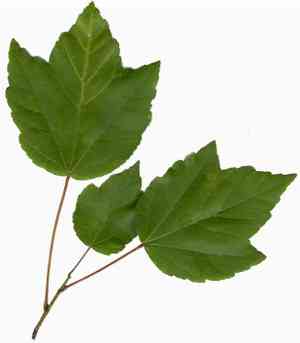
Apaac flourishes when relocated from late spring to early summer, benefiting from ideal soil warmth. Select a site with full sun to partial shade to accommodate its enduring growth habit. Crucially, well-draining ground is essential for its successful rooting.
Essential Preparations Before Relocating Apaac
Optimal Period for Moving Apaac?
The prime season for relocating apaac spans from mid-spring to early summer, benefiting from favorable growth conditions such as warmer soil temperatures and extended daylight. Moving during this window maximizes root establishment and minimizes transplant shock, promoting robust development. These circumstances are perfect for fostering strong growth in perennial plants like apaac.
Recommended Spacing Between Apaac Plants?
When relocating apaac, ensure a separation of 24-36 inches (60-90 cm) between them. This provides sufficient space for growth and air circulation, aiding in disease prevention and encouraging healthy development.
Ideal Soil Blend for Apaac Relocation?
Prepare well-draining soil for apaac, enriched with organic compost. A foundational layer of balanced fertilizer (e.g., 10-10-10 NPK) will supply vital nutrients and encourage vigorous root growth.
Where to Position Your Apaac?
Select a sunny spot for apaac, as it flourishes in full sunlight. Aim for an area that receives at least 6-8 hours of direct sun daily, ensuring the plant gets ample light for optimal development.
Tools Required Before Relocating Apaac
Gardening Gloves
To safeguard your hands while handling soil and plants.
Shovel or Spade
For digging and lifting the plant.
Watering Can or Hose
To hydrate the plant before and after its move.
Pruning Shears
To trim any damaged or dead roots or foliage.
Garden Trowel
For more precise, delicate digging tasks.
How to Extract Apaac from its Current Location?
How to Extract Apaac from its Current Location?
From Ground: First, moisten the apaac plant's soil. Then, excavate a wide trench around the plant using a shovel or spade, ensuring the plant's root ball remains intact. Carefully maneuver the spade beneath the root ball to lift the plant from its original spot.From Pot: Hydrate the apaac plant to soften the soil. Gently tilt the pot sideways and support the plant with one hand while sliding it out with the other. Loosen any roots circling the edges before relocating.From Seedling Tray: Water the seedlings a few hours prior to relocation. Use a small garden trowel or your fingers to gently lift the seedlings, taking care not to harm the roots.
Step-by-Step Guide for Relocating Apaac
Prepare the New Site
Select a sunny location suitable for apaac and dig a hole twice as wide and as deep as the plant's root ball.
Enrich the Soil
Incorporate organic compost or well-rotted manure into the hole for improved soil nutrition.
Hydrate the Hole
Moisten the hole by filling it with water and allowing it to drain completely.
Move the Plant
Lower the apaac into the hole, ensuring it is at the same depth as it was previously. Backfill the hole with soil while holding the plant upright.
Compact the Soil
Gently press the soil around the plant's base to eliminate any air pockets that may have formed.
Mulch
Apply a layer of mulch around the base of the apaac to help retain moisture and suppress weeds.
Post-Relocation Care for Apaac
Watering
Maintain consistent moisture around the apaac, avoiding sogginess, for the initial weeks after relocation to aid in strong root establishment.
Shading
Provide temporary shade for the apaac if the weather is particularly hot or sunny to lessen transplant shock.
Pruning
Remove any damaged or dead foliage to help the apaac direct its energy towards new root growth.
Monitoring
Regularly inspect the apaac for signs of stress or pests, and address any issues promptly to ensure a healthy establishment.
Addressing Common Issues with Apaac Relocation.
When is the best time to move apaac?
The ideal time to relocate apaac is from mid-spring to early summer for optimal growth.
What spacing should I use between apaac plants?
Ensure apaac plants are spaced 24-36 inches (60-90 cm) apart to allow ample growth room.
How do I prepare the soil for apaac?
Enrich the soil with compost and organic matter, ensuring good drainage before relocation.
Should apaac be watered immediately after moving?
Yes, thoroughly water apaac right after relocation to help it settle and reduce transplant shock.
What if apaac wilts after moving?
Provide shade, water frequently, and consider a root stimulator to aid recovery from transplant shock.
How should I handle apaac's roots during relocation?
Handle apaac's roots gently, keeping them moist. Avoid damage or breakage during the process.
At what depth should apaac be planted after relocation?
Plant apaac at the same depth it was growing previously to ensure proper root establishment.
How can I prevent transplant shock in apaac?
Relocate during cooler parts of the day, keep roots moist, and avoid excessive root disturbance.
Is fertilizing necessary after relocating apaac?
Yes, use a balanced, slow-release fertilizer a few weeks after relocation to support new growth.
What mulch should be used for apaac after relocation?
Apply a 2-3 inch (5-7.5 cm) layer of organic mulch, such as straw or wood chips, to retain moisture.



