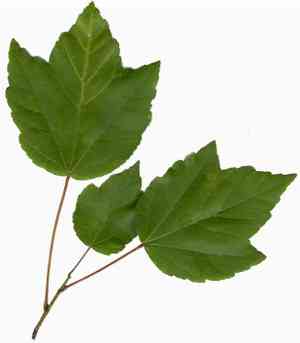
Apaac (Urvillea ulmacea)
Also known as: none
Urvillea ulmacea is a species of the Urvillea genus that occurs in French Guiana and the Caatinga region in Brazil.
In This Article
Attributes of Apaac
Lifespan
Perennial
Plant Type
Vine, Shrub
Plant Height
1-3 meters
Spread
up to 2 meters
Leaf Color
Green
Flower Size
0.5-1 cm
Flower Color
White or greenish
Images of Apaac
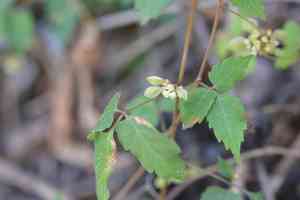
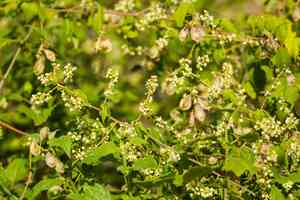
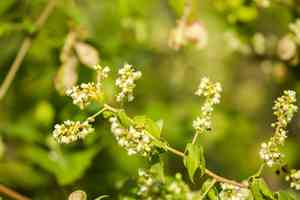
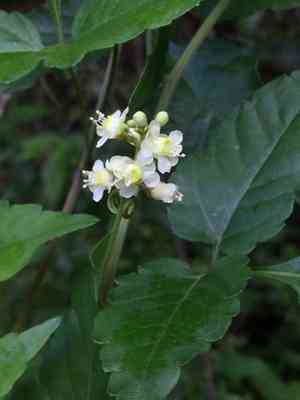
Quickly Identify Apaac
1
Look for a climbing shrub with compound leaves consisting of 3-5 leaflets. The leaves have serrated margins and are arranged alternately along the stems. The plant also produces small, inconspicuous flowers that develop into papery, winged capsules.
Scientific Classification of Apaac
Phylum
Vascular plants
Class
Dicotyledons
Order
Sapindales
Family
Soapberry
Genus
Urvillea
Species
Apaac
Planting and Growing of Apaac
Care Difficulty
Easy
Watering Schedule
Every 4 days
Sunlight Requirements
Partial sun
Sunshine Duration
6-10 hours
Ideal Temperature
68-77℉
Soil Type
Potting Mix, Peat Mix
Soil pH
5.5-7.5
Fertilizer Type
Balanced
Pruning Season
Spring, Summer
Pruning Area
Branches, Leaves
Pruning Frequency
Once a year
Repotting Season
Spring
Pot Type
Plastic, Ceramic
 How to Water Apaac?
The Urvillea ulmacea needs about 200 ml of water per session. The soil should be moist, but not waterlogged, to avoid root rot. Water until you see it draining from the bottom of the pot, indicating the soil is adequately saturated.
What are the symptoms of an underwatered Apaac?
›
What should I do if my Apaac is not getting enough water?
›
What are the symptoms of an overwatered Apaac?
›
How to save an overwatered Apaac?
›
 What Are the Sunlight Requirements for Apaac?
Partial to full sun exposure ensures Urvillea ulmacea develops robust foliage and optimal blooming, supporting healthy photosynthesis processes that lead to vigorous growth and resilience.
What is the best location for Urvillea ulmacea to get ideal sunlight?
›
How can artificial lighting help in achieving ideal conditions?
›
Why is it important to regulate the amount of sunlight the plant receives?
›
 What Is the Ideal Temperature Range for Apaac?
The ideal temperature range for Urvillea ulmacea is between 68°F and 77°F. This range provides an optimal environment for metabolism and growth, facilitating healthy photosynthesis and minimizing stress caused by temperature fluctuations.
 What Soil is Best for Apaac?
Urvillea ulmacea thrives in well-draining soil that prevents root rot by allowing excess water to escape efficiently. This requirement is essential for healthy root development and prevents waterlogging, which could lead to plant diseases. A nutrient-rich medium is beneficial for Urvillea ulmacea as it supports vigorous growth and full foliage. Enriched soil with organic matter like compost can provide essential nutrients and improve soil structure. This plant prefers a pH range of 5.5 to 7.5, which is suitable for optimal nutrient uptake. Maintaining the correct pH level helps to ensure that the plant can access essential nutrients efficiently from the soil.
 How to Fertilize Apaac?
For Urvillea ulmacea, it is recommended to use a balanced liquid fertilizer diluted to half-strength for optimal growth. Typically, a dosage of about 1 teaspoon per gallon of water is adequate every two weeks during the growing season from early spring to late summer.
 How to Prune Apaac?
Ensure your pruning coincides with the growing seasons of spring and summer for optimal recovery and growth boost. Avoid extensive pruning during autumn and winter as the plant is not actively growing and it can cause undue stress. Take time to observe the natural growth pattern of Urvillea ulmacea. Pruning should respect the plant's natural shape, and should aim to enhance it, not reshape it entirely. This approach encourages organic growth and minimizes shock. Never prune more than one-third of the plant at a time. Over-pruning can deprive the plant of necessary foliage for photosynthesis and stress the plant, weakening its overall health.
More About Pruning Techniques→
 How to Propagate Apaac plant?
1
Choose a healthy parent plant before propagation. Ensure it is free from disease, pests, and any other stressors. This ensures that the cuttings taken are healthy and vigorous, guaranteeing better propagation success.
2
For seed propagation, prepare a seed bed with well-draining soil. Use a mix of potting soil and compost to provide nutrients. The soil should be moist but not waterlogged, to prevent seed rot.
3
Cut a 4-6 inches long, healthy, non-flowering stem just below a node. Remove the lower leaves to expose nodes for rooting, leaving two to three leaves at the top. Use sterilized shears to minimize contamination risks.
 How to Repot Apaac plant?
1
Urvillea ulmacea needs repotting when you notice roots protruding through drainage holes or the soil surface. The best time to repot is when there's slow growth or increased watering frequency. Another sign is when the plant becomes top-heavy and difficult to stabilize.
2
Select a pot with good drainage and 1-2 inches larger in diameter than the current pot. A slightly larger pot prevents water stagnation and allows room for root expansion, promoting healthy growth. Consider materials like terracotta for porous benefits or plastic for moisture retention.
3
Use a well-draining potting mix with components like perlite or sand to ensure aeration and prevent waterlogging. This soil type mimics the natural environment of Urvillea ulmacea, providing balanced moisture levels and reducing root rot risks.
Learn More About Apaac Diseases
Anthracnose
Bacterial Leaf Spot
Bacterial Soft Rot
Bacterial Wilt
Black Spot
Chemical Injury
Crown Gall
Cyst Nematode
Damping-off
Downy Mildew
Drought Stress
Fusarium Wilt
Gray Mold
Leaf Curl
Leaf Spot
Mosaic
Nutrient Deficiency
Nutrient Toxicity
Powdery Mildew
Root Rot
Root-knot Nematode
Rusts
Sooty Mold
Spider Mites
Temperature Stress
Thrips Damage
White Mold



