How to Transplant Small Nettle?
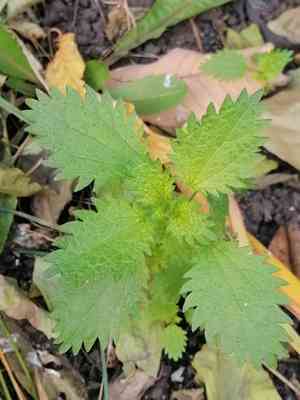
The optimal period for relocating young Nettle is during the peak growing season, from late spring through mid-summer, as these conditions foster vigorous growth. Select a site featuring fertile, damp earth and dappled sunlight. Careful manipulation is crucial to preserve the root system's soundness.
Essential Preparations Before Relocating Small Nettle
Optimal Timing for Small Nettle Relocation?
The best time to move small Nettle is from late spring to early summer. This period offers mild weather, allowing roots to establish without extreme heat. Transplanting small Nettle then ensures strong growth, leveraging consistent warmth and longer daylight for plant strengthening before midsummer's heat. A helpful hint: choose cloudy days to minimize transplant shock, aiding small Nettle's smooth transition to its new spot.
Recommended Spacing Between Small Nettle Plants?
Space small Nettle holes about 1-2 feet (30-60 cm) apart. This provides ample room for each plant to grow without competing for resources, leading to a healthier, more vibrant garden.
Ideal Soil Blend for Small Nettle Transplanting?
For small Nettle, prepare a well-draining loam and sand mixture, as these plants thrive in rich, fertile conditions. Before planting, enrich the soil with a balanced base fertilizer to supply vital nutrients.
Selecting a New Location for Your Small Nettle?
Choose a site for small Nettle that receives full to partial daily sunlight. This promotes vigorous growth and a bountiful harvest. However, if the area is excessively hot, provide some shade to prevent wilting.
Equipment Needed Before Transplanting Small Nettle
Gardening Gloves
Used for hand protection when working with soil and the small Nettle plant.
Trowel
A small hand tool for digging, applying, smoothing, or moving small quantities of soil.
Gardening Fork
Useful for loosening soil and extracting plants without harming their roots.
Watering Can
Required for hydrating the small Nettle plant both before and after its relocation.
Organic Compost
The small Nettle plant will benefit from the additional nutrients it provides.
Biodegradable Pot
If starting from a seedling, this allows for easy ground transfer without root damage.
Method for Removing Small Nettle from Soil
Method for Removing Small Nettle from Soil
From Ground: Start by watering the small Nettle plant to moisten the surrounding soil, which lessens root damage during extraction. Then, use your garden fork to gently loosen the soil around the plant, being careful not to cut the roots. Circle the plant with your fork and lift, keeping as much of the rootball intact as possible.From Pot: Water the plant thoroughly a few hours before moving it. Invert the pot, gently hold the plant at its base, and tap the pot's bottom. The small Nettle will emerge with its soil and roots together.From Seedling Tray: Water the seedlings, gently grasp the small Nettle at its base, and lift it. Be careful not to pull; instead, use a dislodging tool if available.
Step-by-Step Guide for Relocating Small Nettle
Preparations
Incorporate organic compost into the planting area and mix it with the existing soil to supply nutrients. Dig a hole twice the size of the plant's root ball using a trowel.
Placing small Nettle
Position the small Nettle in the hole, ensuring the top of the root ball is level with the ground. Gently backfill the hole, firming the soil around the plant's base.
Watering
Water the small Nettle plant immediately after planting with a watering can. Be gentle as it will still be very delicate.
Monitoring
Closely observe the small Nettle for the first few weeks for any signs of stress (like wilting or yellowing leaves). Address any issues promptly.
Post-Transplant Care for Small Nettle
Monitoring
Keep a close watch on your small Nettle during the initial weeks after transplanting. Look for wilting, yellow leaves, or other stress indicators. If these appear, try adjusting your watering, as this is often the cause.
Watering
Water the small Nettle regularly during its growth period, ideally in the morning or evening when temperatures are cooler. However, avoid overwatering to prevent root rot.
Pruning
Regularly prune your small Nettle plant to encourage healthier growth by removing dead or yellow leaves as soon as they are noticed.
Fertilizing
Two weeks after transplanting, provide a mild feeding using a fertilizer suitable for small Nettle, as the compost nutrients will have been depleted by this time.
Resolving Common Issues with Small Nettle Transplantation.
When is the best time to transplant small Nettle?
The ideal period to move small Nettle is during late summer to early autumn, also known as seasons 3-5.
What is the ideal space to allocate between small Nettle plants?
For healthy growth, maintain a distance of about 1-2 feet (30-60 cm) between each small Nettle plant.
Why is my transplanted small Nettle wilting?
Wilting can result from transplant shock, insufficient water, or extreme temperatures. Ensure small Nettle receives adequate light and moisture.
How to prepare the soil while transplanting small Nettle?
Small Nettle thrives in nutrient-rich soil. Ensure the area is well-tilled and incorporate compost or organic matter to enrich the soil before planting.
What to do if the leaves of my transplanted small Nettle are yellowing?
Yellowing leaves may indicate underwatering or a nutrient deficiency. Adjust your watering schedule and consider a balanced fertilizer.
Why is my transplanted small Nettle not flowering?
Insufficient sunlight or nutrients can hinder flowering. Ensure small Nettle gets ample sunshine and feed it with a rich nutrient mix.
How to water small Nettle after transplanting?
Water small Nettle thoroughly after transplanting, then transition to regular watering sessions. Avoid over-watering, which can lead to root and stem rot.
Why is small Nettle's growth stunted post-transplant?
Stunted growth could signal root damage during transplant or improper spacing. Ensure roots are carefully transplanted and spacing guidelines are followed.
What's the best way to handle small Nettle while transplanting?
Handle small Nettle with care to prevent root damage. If possible, try to transplant during cooler parts of the day to avoid heat stress.
Why does my small Nettle have few leaves post-transplant?
This could be due to transplant shock or inadequate post-transplant care, including watering or sunlight. Proper care should help small Nettle recover.



