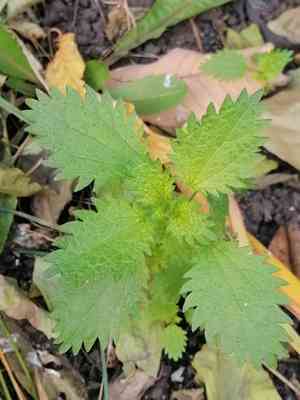
Small Nettle(Urtica urens)

Small Nettle (Urtica urens)

Also known as: Dog nettle, Annual nettle

Small Nettle (Urtica urens) is a herbaceous annual plant known for its stinging sensation when touched, earning it names like dog nettle or burning nettle. Native to Eurasia, this plant is also a food source for various butterfly species.

Attributes of Small Nettle

Lifespan
Annual, Biennial
Plant Type
Herb
Plant Height
10 cm to 60 cm
Spread
30 cm to 60 cm
Leaf Color
Green Blue
Flower Size
2 mm
Flower Color
White Green Yellow

ForwardPlant - Identify plants with a snap

Identify and diagnose plants, get toxicity alerts, and explore safety guides for all types of fungi.

Try for Free

Images of Small Nettle

Small Nettle(Urtica urens)

Quickly Identify Small Nettle

1
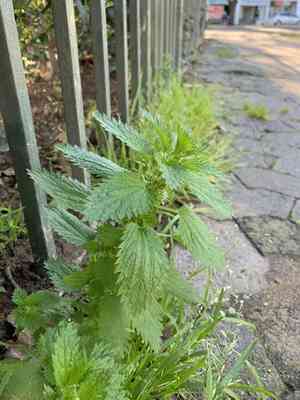
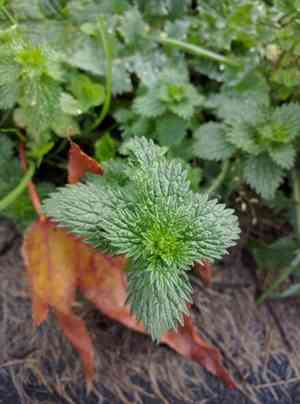
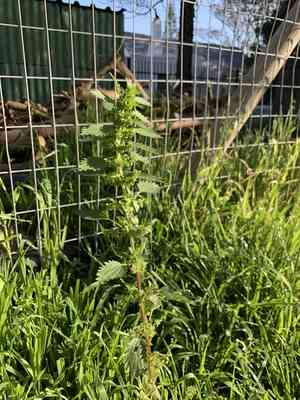
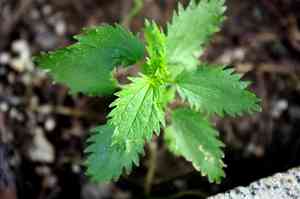
Urtica urens can be identified by its small stature, opposite leaves with serrated edges, and the presence of stinging hairs. The leaves are oval to lance-shaped, and the plant generally grows to about 10-50 cm in height.

Scientific Classification of Small Nettle

Phylum
Vascular plants
Class
Dicotyledons
Order
Rosales
Family
Nettle
Genus
Urtica
Species
Small Nettle

Planting and Growing of Small Nettle

Care Difficulty
Easy
Watering Schedule
Every 4 days
Sunlight Requirements
Full sun
Sunshine Duration
4-6 hours
Ideal Temperature
60-75℉
Soil Type
Potting Mix, Peat Mix
Soil pH
5-7.5
Fertilizer Type
Balanced
Pruning Season
Spring, Summer
Pruning Area
Branches, Leaves
Pruning Frequency
2 times a year
Repotting Season
Spring
Pot Type
Plastic, Ceramic

water icon How to Water Small Nettle?

Urtica urens thrives best when watered in moderation, needing about 150 milliliters at each session. This amount ensures the soil is moist but not soggy, fostering healthy growth by supplying just enough water to support its needs without risking root rot.
What are the symptoms of an underwatered Small Nettle? ›
What should I do if my Small Nettle is not getting enough water? ›
What are the symptoms of an overwatered Small Nettle? ›
How to save an overwatered Small Nettle? ›

sunlight icon What Are the Sunlight Requirements for Small Nettle?

Sunlight Requirements: Full sun, Partial sun
Duration of light: 4 to 6 hours
Urtica urens prefers a light range of 4 to 6 hours of daily sunlight, which promotes strong growth, vibrant leaf color, and overall wellness, enhancing its natural defensive mechanisms and productivity.
How much light does Urtica urens prefer? ›
What solutions exist for managing light for Urtica urens? ›
What are the benefits if Urtica urens gets ideal lighting? ›

temperature icon What Is the Ideal Temperature Range for Small Nettle?

Ideal Temperature: 60 ~ 75℉
The ideal temperature range for Urtica urens, commonly known as the annual nettle, is between 60°F and 75°F. Maintaining these temperatures allows the plant to thrive by promoting healthy growth and optimal nutrient uptake. This range supports vigorous photosynthesis and prevents stress that could otherwise stunt development.

soil icon What Soil is Best for Small Nettle?

Soil type: Loam, Sandy soil, Sandy loam
Soil PH: 5 ~ 7.5
Urtica urens thrives in well-drained soils that prevent waterlogging. This requirement helps prevent root rot and promotes healthy plant growth. Ensuring proper drainage is crucial for the plant's overall vigor. This plant prefers soils with moderate nutrient content. Although not demanding a highly fertile soil, a balanced nutrient profile supports its foliage growth and ensures robust health, making it more resistant to pests. While Urtica urens can endure some dry spells, it prefers slightly moist soils. Consistent moisture aids in the swift establishment of the plant, ensuring quicker growth and more abundant foliage.

fertilize icon How to Fertilize Small Nettle?

Fertilizer type: Balanced
For Urtica urens, it's important to use a balanced fertilizer. Typically, use about 1 tablespoon per plant if you're using a solid granular fertilizer, distributed evenly around the base of the plant. If you're using a liquid fertilizer, dilute it according to the package instructions and apply enough to moisten the soil around the roots without waterlogging.

prune icon How to Prune Small Nettle?

Pruning Time: Spring, Summer, Autumn, Winter
Start by removing any dead or damaged stems, cutting back to a pair of healthy leaves. Trim any excessively long stems to maintain the desired shape, making sure to cut just above a set of leaves. Be gentle to avoid stinging! Use clean, sharp pruning shears to minimize plant stress and reduce the risk of disease transmission. A precise cut close to the node is ideal, promoting faster healing and new growth.

propagate icon How to Propagate Small Nettle plant?

Propagate Time: Spring, Early spring, Late spring
1
Before planting, collect fresh seeds of Urtica urens. Rinse them gently to remove any debris or unwanted material. This step ensures that the seeds are clean and ready for better germination results.
2
Fill seed trays with potting mix and sow the seeds of Urtica urens evenly on the surface. Lightly press them into the soil without covering them completely, as they require light exposure for germination.
3
Water the sown seeds gently to ensure the soil is moist but not inundated. Seedling stages require consistent moisture levels. Use a spray bottle to avoid dislodging the seeds during watering.

repot icon How to Repot Small Nettle plant?

Repotting frequency: Once a year
1
Repotting Urtica urens is essential when you notice the roots encircling the pot's edge or emerging through drainage holes. These signs often indicate that the plant is root-bound, impeding its ability to uptake nutrients and water efficiently.
2
Select a pot that is only slightly larger than the current one, perhaps 1-2 inches in diameter bigger. This prevents over-watering issues and provides just enough space for the roots to expand, ensuring healthy growth without risking root rot.
3
A well-draining potting mix is crucial for Urtica urens. The ideal soil should retain some moisture without becoming soggy, allowing the plant to thrive by getting enough water while preventing root rot.

ForwardPlant - Identify plants with a snap

Find the best spots for them to optimize their health, simply using your phone.

Try for Free

Toxicity of Small Nettle

Is Small Nettle toxic to humans?

Incidental exposure to small Nettle is the primary cause of poisoning incidents, often resulting from inadequate skin protection during its collection or unintentional contact with the plant. The surface of this plant is densely covered with minute hairs that penetrate the skin, producing mild to moderate irritation upon contact. Moreover, the leaves can also induce irritation when they are crushed. Interaction with the plant typically triggers a stinging sensation that may persist for several hours, while the pain from the hairs can endure for as long as 36 hours. These plants are frequently found in pastures, various types of cultivated land, and neglected areas, making accidental contact likely.

Is Small Nettle toxic to cat?

Small Nettle is regarded as moderately poisonous to cats. If a feline consumes any portion of small Nettle, which contains toxic components in all its parts, it may result in physical distress or pain. Cats that are impacted could display various signs of discomfort as a reaction to the toxins present. Cat owners need to exercise caution and keep their pets away from small Nettle. If accidental ingestion occurs, it is imperative to promptly seek professional assistance from a veterinary clinic to manage the effects of poisoning and safeguard the cat's health and wellbeing.

Is Small Nettle toxic to dog?

The small Nettle plant species is recognized for its moderate toxicity levels in dogs. When dogs have contact with small Nettle, especially if they ingest any portion of the plant, there exists a risk of poisoning. Every part of the small Nettle is deemed toxic and can endanger canine health. Dogs that consume small Nettle may show signs such as gastrointestinal disturbances, vomiting, diarrhea, and increased drooling. Given the moderate toxicity, it is essential for dog owners to keep a vigilant eye on their pets and restrict their access to this plant. If a dog ingests small Nettle, it is imperative to seek prompt veterinary attention to ensure adequate treatment and management of any possible poisoning.

Identify toxic plants for your safety

Learn which plants are harmful to you and your pets, and make informed choices for a safer home!

Try for Free
WARNING
The judgment on toxicity and danger is for reference only. We DO NOT GUARANTEE any accuracy of such judgment. Therefore, you SHALL NOT rely on such judgment. It is IMPORTANT TO SEEK PROFESSIONAL ADVICE in advance when necessary.
More About Toxic Techniques→