How to Transplant Greater bur parsley?
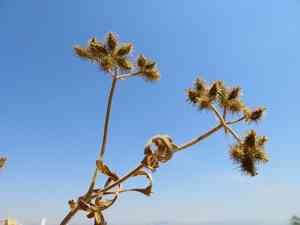
For greater bur parsley, the optimal period for relocation spans from early spring through its middle phase, guaranteeing vigorous development. Select a location with good drainage and ample sunlight. Gradually introduce greater bur parsley to external environments to foster strength.
Essential Preparations Before Relocating Greater Bur Parsley?
Optimal Period for Moving Greater Bur Parsley?
The best time to move greater bur parsley is as winter's cold recedes and the growing season begins. Transplanting greater bur parsley then ensures good establishment, with mild temperatures and spring's energy boosting root development. This transition period fosters strong growth and a bountiful harvest, capturing the essence of a vibrant season.
Required Spacing Between Greater Bur Parsley Plants?
Before placing your greater bur parsley in their new spot, ensure a separation of approximately 6-8 inches (15-20 cm). This provides ample room for each plant to thrive without competing for nutrients or sunlight.
Ideal Soil Blend for Greater Bur Parsley Relocation?
Greater bur parsley flourishes in well-drained, loamy soil. Boost their initial growth by mixing a balanced, slow-release fertilizer into the soil before transplanting. This pre-feeding will help your plants settle in nicely!
Optimal Location for Your Greater Bur Parsley?
Select a sunny location for your greater bur parsley, where they can receive at least 6 hours of direct sunlight daily. Even your green companions require their daily sun exposure for a healthy start in their new environment!
Equipment Needed Before Transplanting Greater Bur Parsley?
Gardening Gloves
To safeguard your hands while handling soil and plants.
Shovel or Spade
For excavating the plant and preparing the new planting site.
Garden Trowel
To refine the planting hole and manage smaller plants or confined areas.
Watering Can or Hose
To hydrate the plant both before and after its relocation.
Pruning Shears
To trim any damaged roots or excess foliage prior to moving.
Wheelbarrow or Plant Pot
For transporting the plant from its original spot to the new location.
Measuring Tape
To verify the new hole's dimensions match the plant's root ball size.
Plant Support Stakes
To offer stability to the plant if needed after transplanting.
How to Extract Greater Bur Parsley from the Soil?
How to Extract Greater Bur Parsley from the Soil?
From Ground: Hydrate the greater bur parsley plant to moisten the soil. Use a shovel or spade to dig a wide circle around the plant, ensuring the root ball remains intact. Gently slide the spade under the root ball to lift the plant from the ground.From Pot: Water the greater bur parsley plant to dampen the soil, facilitating easier removal. Tilt the pot sideways and gently tap or squeeze its sides to loosen the plant. Grasp the plant's base and carefully slide it out of the pot, supporting the soil and roots.From Seedling Tray: Water the seedlings gently. Use a garden trowel or your fingers to carefully lift the greater bur parsley seedling from the tray, aiming to keep as much soil around the roots as possible.
Step-by-Step Guide for Relocating Greater Bur Parsley
Preparation
Gather all necessary tools and equipment before commencing the transplanting process.
Removal
Follow the appropriate removal method for your greater bur parsley plant, whether it's from the ground, a pot, or a seedling tray.
Transportation
Carefully move the plant to its new location using a wheelbarrow or plant pot, minimizing stress.
Hole Preparation
Dig a hole in the ground that is as deep as the root ball and twice its width, allowing space for root expansion.
Plant Placement
Position the greater bur parsley plant in the center of the hole. Adjust it so it sits at the same depth as its original location.
Refilling
Gently backfill the hole with soil, carefully tamping down around the root ball to eliminate air pockets.
Watering
Thoroughly water the greater bur parsley plant after planting to help settle the soil around the roots and hydrate the plant.
Staking
If your greater bur parsley plant is tall or top-heavy, insert support stakes into the ground and tie the plant to them for stability.
Post-Transplant Care for Greater Bur Parsley
Monitoring
Daily observe your greater bur parsley plant for indications of transplant shock, such as wilting or yellowing leaves.
Careful Watering
Water the greater bur parsley plant as needed to maintain consistently moist soil, avoiding over-saturation.
Mulching
Apply a layer of organic mulch around the base of the greater bur parsley to help retain soil moisture and regulate soil temperature.
Protection
Shield the newly transplanted greater bur parsley from strong winds or harsh weather using temporary barriers if necessary.
Adjustments
Periodically check the stakes and adjust them as the greater bur parsley grows to prevent damage to the stem and roots.
Resolving Common Greater Bur Parsley Transplant Issues.
Why is my greater bur parsley wilting after transplanting?
Post-transplant wilting may indicate shock. Ensure greater bur parsley is adequately watered and that roots were minimally disturbed during relocation.
What's the best time to transplant greater bur parsley for optimal growth?
The ideal period for transplanting greater bur parsley is from early to mid-spring, when the soil is warm and receptive.
How much space should I leave between my greater bur parsley seedlings?
For a thriving greater bur parsley community, space seedlings approximately 6-8 inches (15-20 cm) apart, allowing ample room for growth.
What light conditions does greater bur parsley require after transplanting?
Keep your greater bur parsley in a location where it can enjoy full sun to partial shade, to support its post-transplant vitality.
Why are my greater bur parsley plants drooping despite correct spacing?
Drooping could stem from either overwatering or underwatering. Establish a balanced watering routine, ensuring the soil is moist but not waterlogged.
How do I determine if the soil is suitable for transplanting greater bur parsley?
Ensure the soil is well-draining and rich in organic matter. A simple touch test can indicate appropriate soil moisture for greater bur parsley.
Can I transplant greater bur parsley during summer?
Transplanting greater bur parsley in summer can stress the plant; adhere to the cooler early to mid-spring window for superior results.
What is the optimal depth for planting greater bur parsley?
When planting greater bur parsley, the root ball should be positioned so its top surface is level with the surrounding soil.
My greater bur parsley appears stunted after transplant, what could be wrong?
Stunted growth might result from planting too deeply or compacted soil. Re-evaluate your planting depth and soil aeration.
Should I fertilize greater bur parsley immediately after transplanting?
Wait a few weeks before fertilizing to allow greater bur parsley to acclimate to its new environment and prevent burning delicate roots.



