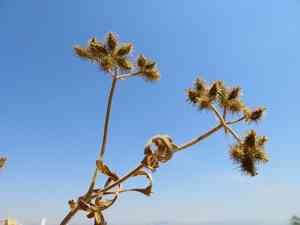
Greater bur parsley (Turgenia latifolia)
Also known as: Broad caucalis
Greater bur parsley is a slender, moderately tall herb with finely divided, fern-like foliage. It features small, subtle flowers and typically favors open, sunny spots such as meadows, grasslands, and disturbed soils. This adaptable plant can also be found along roadsides and in various temperate climates, showcasing its ability to thrive in diverse conditions with well-drained soils.
In This Article
Attributes of Greater bur parsley
Lifespan
Annual
Plant Type
Herb
Plant Height
30-60 cm
Spread
Not applicable
Leaf Color
Green
Flower Size
Approximately 5 mm
Flower Color
White
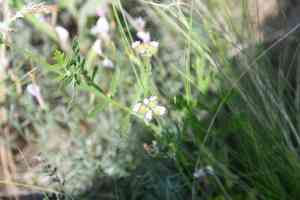
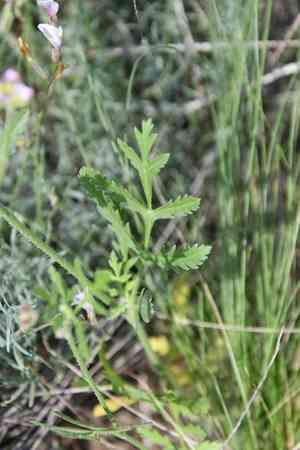
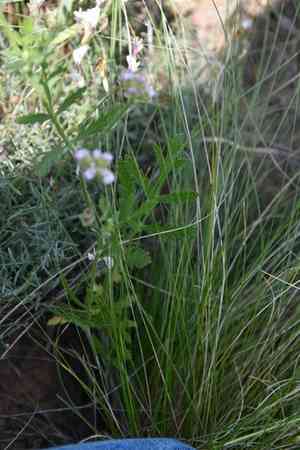
Images of Greater bur parsley
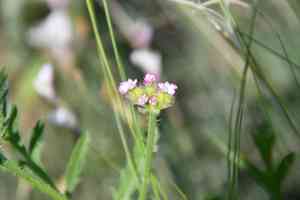
Quickly Identify Greater bur parsley
1
Identifiable by its broad, flat leaves and small white flowers arranged in umbels. The plant has a characteristic stem with fine, bristly hairs.
Scientific Classification of Greater bur parsley
Phylum
Vascular plants
Class
Dicotyledons
Order
Apiales
Family
Umbellifers
Genus
False carrot
Species
Greater bur parsley
Planting and Growing of Greater bur parsley
Care Difficulty
Moderate
Watering Schedule
Every 2 days
Sunlight Requirements
Partial sun
Sunshine Duration
6-10 hours
Ideal Temperature
60-75℉
Soil Type
Potting Mix, Peat Mix
Soil pH
6.5-7.5
Fertilizer Type
Balanced
Pruning Season
Spring, Summer
Pruning Area
Branches, Leaves
Pruning Frequency
Once a year
Repotting Season
Spring
Pot Type
Terracotta, Plastic
 How to Water Greater bur parsley?
Turgenia latifolia requires moderate watering, approximately 500 milliliters per session. The goal is to keep the soil consistently moist but not waterlogged. Ensure the top few centimeters of soil are damp but allow the soil beneath to dry slightly before the next watering cycle.
What are the symptoms of an underwatered Greater bur parsley?
›
What should I do if my Greater bur parsley is not getting enough water?
›
What are the symptoms of an overwatered Greater bur parsley?
›
How to save an overwatered Greater bur parsley?
›
 What Are the Sunlight Requirements for Greater bur parsley?
Turgenia latifolia flourishes in partial to full sun conditions, receiving 4 to 8 hours of light. This optimizes growth and enhances health, boosting photosynthetic activity and vigor.
What is the best lighting situation for Turgenia latifolia?
›
How can you provide ideal light exposure?
›
What benefits does ideal lighting offer this plant?
›
 What Is the Ideal Temperature Range for Greater bur parsley?
The ideal temperature range for Turgenia latifolia is between 60°F to 75°F. This range allows the plant to achieve optimal growth and ensure healthy development. Maintaining this temperature period ensures proper metabolic functions and supports enhanced photosynthesis, helping the plant to thrive in its environment.
 What Soil is Best for Greater bur parsley?
Turgenia latifolia thrives in soil with excellent drainage. Efficient drainage prevents waterlogging, which can be detrimental to the plant’s root system, ensuring healthier growth and development. This plant demands soil enriched with organic matter for optimal growth. Nutrient-rich soil supplies essential vitamins and minerals, supporting robust root and foliage development. While Turgenia latifolia prefers well-draining soil, consistent moisture is vital. Maintaining the right moisture balance in the soil enhances nutrient uptake and photosynthesis efficiency.
 How to Fertilize Greater bur parsley?
Turgenia latifolia thrives on a balanced approach to fertilization; an ideal quantity involves using a 10-10-10 liquid fertilizer, diluted to half-strength, once every two weeks during the growing season. Application should be even, avoiding hotspots to ensure all roots have access to nutrients.
 How to Prune Greater bur parsley?
Start by identifying any branches that are dead, diseased, or damaged. These should be the first to go, as they can harbor pests or diseases that might affect the rest of the plant. Use your pruning shears to trim back any branches that disrupt the overall shape of the plant. Aim for a balanced, open canopy that allows sunlight to penetrate through the leaves. After pruning, water the plant thoroughly and consider applying a balanced fertilizer to support new growth. Monitor the plant for any signs of stress or disease following the pruning process.
 How to Propagate Greater bur parsley plant?
1
Fill the seed tray with potting mix, leaving a small space at the top. Moisten the soil lightly to create an optimal environment for seed germination.
2
Scatter Turgenia latifolia seeds evenly across the surface of the prepared tray. Cover them lightly with a thin layer of potting mix to provide adequate coverage without overburial.
3
Place the tray in an area with indirect sunlight and maintain a constant moisture level in the soil. Avoid waterlogging by checking the drainage frequently.
 How to Repot Greater bur parsley plant?
1
Repot Turgenia latifolia when you notice its roots are becoming bound or emerging from the pot’s drainage holes. Another sign is the plant's growth seems to have stagnated despite optimal conditions. Ideally, repot during active growth in spring or early summer to minimize stress and promote recovery.
2
Choose a pot that is one size larger than the current container. Ensure it has adequate drainage holes; this prevents water accumulation at the base, which could lead to root rot. A material like terracotta offers breathability and stability, aiding in moisture regulation essential for healthy growth.
3
Opt for a well-draining loamy mix that can retain essential moisture without waterlogging. A mixture including pumice or perlite enhances soil aeration. This soil type ensures the roots have the right environment for expansion and nutrient uptake, vital for robust plant health.



