How to Transplant Bladder vetch?
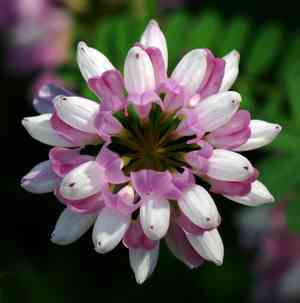
The ideal period for relocating bladder vetch extends from the conclusion of the frost season until the beginning of summer. Choose a location that receives ample sunlight and offers effective water drainage. Should it be required, amend the soil before transplantation to ensure peak health.
What Preparations are Needed Before Transplanting Bladder Vetch?
What is the Ideal Time for Transplanting Bladder Vetch?
The optimal period for relocating bladder vetch spans from the onset of early spring to the conclusion of late spring. Moving bladder vetch during these months promotes strong root development, aligning with its natural growth cycle for smooth integration. Embrace this timeframe; it allows your bladder vetch to benefit from increasing daylight and mild conditions, vital for its flourishing before summer's intensity. Your bladder vetch will reward you with vigorous growth and vitality, making the gentle spring embrace the perfect setting for its new beginning.
How Much Space Should You Leave Between Bladder Vetch Plants?
Greetings, gardening enthusiast! Before placing your bladder vetch in its new spot, let's ensure it has ample room. Aim for a separation of approximately 4-6 inches (10-15 cm) between plants. This enables each plant to thrive beautifully without being cramped. Happy gardening!
What is the Best Soil Mix for Bladder Vetch Transplanting?
Your bladder vetch will flourish in a properly prepared bed where its roots can spread. Select a loamy, well-draining soil, and incorporate a balanced, slow-release fertilizer to provide a nutritional head start. Your bladder vetch will show its appreciation with vibrant growth!
Where Should You Relocate Your Bladder Vetch?
Sunlight is a great ally for your bladder vetch. Choose a location that receives abundant sunlight â a bright area getting direct light for most of the day. This sun-drenched spot will ensure your bladder vetch radiates health and happiness!
What Equipments Should You Prepare Before Transplantation Bladder Vetch?
Gardening Gloves
To safeguard your hands while handling soil and plants.
Shovel or Garden Trowel
To excavate the plant from its current position and assist with the transplanting hole.
Watering Can
To hydrate the plant before extraction and after replanting for adequate moisture.
Pruning Shears
To trim any dead or excess foliage prior to transplanting.
Garden Fork
To loosen soil and aid in gently lifting the plant.
Wheelbarrow or Plant Caddy
For transporting the bladder vetch plant if it's large or from a distant spot.
Mulch
To apply around the plant's base after transplanting to retain soil moisture.
How Do You Remove Bladder Vetch from the Soil?
How Do You Remove Bladder Vetch from the Soil?
From Ground: Ensure the soil is damp by watering the bladder vetch plant the day before the scheduled removal. Carefully dig around the plant with a shovel or garden fork, creating sufficient space to avoid root damage. Pry the tool under the root ball to gently lift the plant from the ground.From Pot: Water the bladder vetch plant thoroughly. Tilt the pot sideways and gently tap or press its sides to loosen the soil. Holding the plant's base, carefully wiggle it free, being cautious not to pull hard on the stems.From Seedling Tray: Water the seedlings adequately. Use a planting dibber or a small stick to carefully extract the bladder vetch seedling from its cell by pushing up from the bottom. Support the seedling by its leaves, not the delicate stem.
Step-by-Step Guide for Transplanting Bladder Vetch
Preparation
Gather all necessary tools. Water the bladder vetch plant before beginning to ensure the root ball is moist.
Removal
Gently extract the bladder vetch plant from its original location, as detailed in the removal process above.
Transplant Hole
Dig a hole at the new site that is twice as wide as the root ball and the same depth to prevent burying the plant too deeply.
Placement
Carefully position the bladder vetch into the hole. Ensure it is upright and at the same level it was growing previously.
Filling in
Gently backfill the hole with soil, firming it around the root ball without compacting it excessively.
Watering
Water the bladder vetch thoroughly after transplanting to settle the soil and hydrate the roots.
Mulching
Apply a layer of mulch around the plant's base to help maintain soil moisture.
How Do You Care For Bladder Vetch After Transplanting?
Regular Watering
Maintain a consistent watering schedule for the bladder vetch, ensuring the soil remains moist as the roots establish.
Inspecting
Periodically check the bladder vetch for indications of stress or pests and take appropriate action.
Supporting
If the bladder vetch shows signs of weakness or cannot stand upright, carefully stake the plant.
Feeding
After a few weeks, once the bladder vetch is established, begin a mild feeding regimen with a balanced fertilizer.
Trimming
Snip off any dead or yellowing leaves to encourage new growth and maintain plant health.
Troubleshooting Common Issues with Bladder Vetch Transplantation.
How can I ensure successful transplantation of bladder vetch?
For a successful start, transplant bladder vetch during the optimal growth period between early and late spring. This is when conditions are most favorable for growth.
What is the ideal distance apart for transplanting bladder vetch?
Proper spacing is crucial! Aim for approximately 4-6 inches (10-15 cm) between each bladder vetch to provide them ample room to thrive.
What should I do if my bladder vetch isn't thriving after transplant?
Review the fundamentals: ensure they are watered regularly but not excessively, receiving sufficient sunlight, and the soil is nutrient-rich and well-draining.
Can I transplant bladder vetch during summer?
It's best to adhere to the ideal timing from early to late spring. Transplanting bladder vetch in summer might not yield the best results due to heat stress.
Why is my transplanted bladder vetch wilting?
Wilting after transplanting can be due to transplant shock. Keep the soil moist and provide shade. The plant should recover with proper care and time.
How deep should I plant bladder vetch during transplantation?
Dig a hole just deep enough to accommodate the root ball. Planting bladder vetch too deeply might impede their growth, while too shallow may cause roots to dry out.
Is there a preferred soil type for transplanting bladder vetch?
Absolutely! Bladder vetch flourishes in fertile, well-draining soil. Amend with compost if necessary to provide a nutrient-rich base for your transplants.
How do I prepare the soil before transplanting bladder vetch?
Loosen the soil and enrich it with organic matter. Ensure it's moist but not waterlogged before gently placing your bladder vetch in its new home.
What should I do if my bladder vetch shows signs of pests after transplanting?
Inspect regularly and treat with appropriate organic pest control methods. Good air circulation and healthy soil can prevent many common pests.
How often should I water bladder vetch after transplanting?
Water the transplants gently but thoroughly to keep the soil consistently moist, especially during the initial weeks while they establish.



