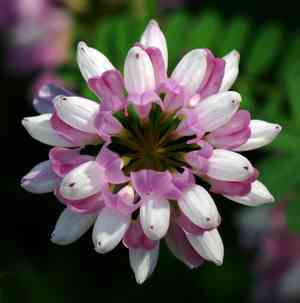
Bladder vetch (Tripodion tetraphyllum)
Also known as: Avena tetraphylla, Scorpiurus tetraphyllus, Securigera tetraphylla
Bladder vetch (*Tripodion tetraphyllum*), a plant in the pea family, features hairy, balloon-like seed pods that turn red upon ripening. In spring, it produces delicate white and yellow flowers. This species is under investigation for its potential use in restoring soil in overgrazed and degraded Mediterranean landscapes.
In This Article
Attributes of Bladder vetch
Lifespan
Annual
Plant Type
Herb
Plant Height
20 cm to 50 cm
Spread
N/A
Leaf Color
Green
Flower Size
2.5 cm
Flower Color
White Yellow
Images of Bladder vetch
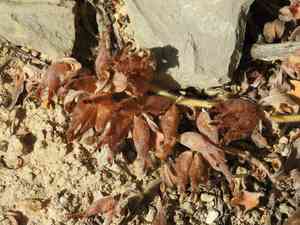
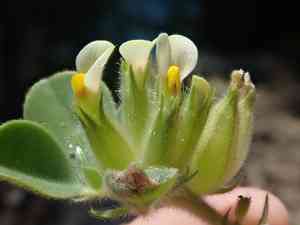
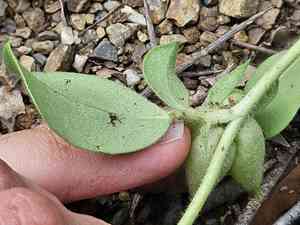
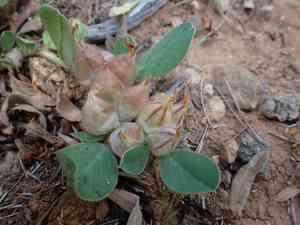
Quickly Identify Bladder vetch
1
Tripodion tetraphyllum can be identified by its distinctive four leaflet arrangement per leaf, colorful flowers ranging from pink to purple, and the presence of small, pealike pods.
Scientific Classification of Bladder vetch
Phylum
Vascular plants
Class
Dicotyledons
Order
Fabales
Family
Legume
Genus
Tripodion
Species
Bladder vetch
Planting and Growing of Bladder vetch
Care Difficulty
Easy
Watering Schedule
Every 2 days
Sunlight Requirements
Full sun
Sunshine Duration
4-8 hours
Ideal Temperature
60-75℉
Soil Type
Potting Mix, Peat Mix
Soil pH
7-8
Fertilizer Type
Balanced
Pruning Season
Spring, Summer
Pruning Area
Branches, Leaves
Pruning Frequency
2 times a year
Repotting Season
Spring
Pot Type
Plastic, Ceramic
 How to Water Bladder vetch?
Tripodion tetraphyllum prefers a moderate amount of water. The goal is to keep the soil evenly moist but not waterlogged. Approximately 150ml each time should sufficiently meet its needs without drowning the roots. Ensure water penetrates the soil to reach the roots evenly.
What are the symptoms of an underwatered Bladder vetch?
›
What should I do if my Bladder vetch is not getting enough water?
›
What are the symptoms of an overwatered Bladder vetch?
›
How to save an overwatered Bladder vetch?
›
 What Are the Sunlight Requirements for Bladder vetch?
The plant thrives in full sun to partial sun, indicating exposure to direct sunlight is beneficial. Ideal lighting enhances photosynthesis, promotes robust growth, and results in healthier, more vibrant foliage.
What is the ideal lighting condition?
›
What are the solutions for ideal lighting?
›
What are the benefits of ideal lighting?
›
 What Is the Ideal Temperature Range for Bladder vetch?
The ideal temperature range for Tripodion tetraphyllum ensures optimal growth and health. Maintaining a consistent temperature between 60°F and 75°F allows the plant to efficiently carry out photosynthesis and other metabolic processes. This range simulates the plant's native Mediterranean environment, supporting proper development and flowering.
 What Soil is Best for Bladder vetch?
Tripodion tetraphyllum needs well-drained soils to prevent root rot. Proper drainage is crucial as it ensures that water does not stagnate around the roots, which is particularly beneficial in sandy soils where excess water can quickly drain away, helping maintain optimal growth conditions. While not overly demanding, this plant benefits from soil with moderate nutrient content. Calcareous soils often lack organic matter, so adding a bit of compost can support its nutrient needs and promote vibrant blooms. Tripodion tetraphyllum thrives in slightly alkaline conditions, characteristic of calcareous soils. Maintaining a pH above 7.0 ensures its access to essential nutrients, crucial for optimal chlorophyll production and overall plant health.
 How to Fertilize Bladder vetch?
Tripodion tetraphyllum benefits from a balanced approach to fertilization. Apply a light dose of liquid fertilizer at half strength every other week during the growing season. Solid fertilizers should be applied sparingly, no more than three times a year. Use about 50 grams of slow-release granules per application.
 How to Prune Bladder vetch?
Begin by inspecting your Tripodion tetraphyllum for any dead or diseased stems. Use clean, sharp pruning shears to cut these back to healthy tissue. For shaping, trim back long stems to maintain a compact and bushy appearance. Make cuts just above a leaf node to encourage new growth. Be delicate with new shoots to avoid damaging them.
More About Pruning Techniques→
 How to Propagate Bladder vetch plant?
1
Sow the seeds in a well-draining seed tray, spacing them adequately to ensure they have room to grow. Cover lightly with soil and mist them to provide the needed moisture. Ensure the tray is placed in a warm and bright location.
2
Select healthy stems from the parent plant and cut them using sterilized pruning shears. Each cutting should be around 4 to 6 inches long with several leaves or nodes to ensure successful rooting.
3
Dip the cut end of the cutting into rooting hormone to enhance root development. Plant it in a pot with well-draining soil, and press the soil around the cutting to provide stability. Water lightly and cover with a clear plastic bag to maintain humidity.
 How to Repot Bladder vetch plant?
1
Recognize the need to repot Tripodion tetraphyllum when it outgrows its current container, as indicated by roots emerging from drainage holes or when the growth visibly stagnates. Repotting is best done during the active growing seasons of spring and summer to ensure minimal shock and optimal recovery.
2
Select a pot that is only slightly larger than the current one, offering just enough room for growth without overwhelming the plant. Ensure it has adequate drainage holes to prevent waterlogging, which could otherwise lead to root rot. A ceramic or breathable pot is ideal for maintaining moisture balance.
3
Opt for a well-draining sandy mix, mimicking its natural rocky habitat. This type of soil prevents water retention, which is crucial for avoiding root rot and supporting healthy growth, providing the necessary aeration for Tripodion tetraphyllum.
Learn More About Bladder vetch Diseases
Anthracnose
Bacterial Leaf Spot
Bacterial Soft Rot
Bacterial Wilt
Black Spot
Chemical Injury
Crown Gall
Cyst Nematode
Damping-off
Downy Mildew
Drought Stress
Fusarium Wilt
Gray Mold
Leaf Curl
Leaf Spot
Mosaic
Nutrient Deficiency
Nutrient Toxicity
Powdery Mildew
Root Rot
Root-knot Nematode
Rusts
Sooty Mold
Spider Mites
Temperature Stress
Thrips Damage
White Mold



