How to Transplant Dwarf owl's-clover?
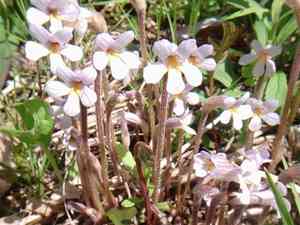
Dwarf owl's-clover flourishes when relocated during the initial to middle period of spring. This guarantees superior root development prior to the warmth of summer. Select a bright location with soil that drains effectively for optimal outcomes. Steer clear of overly saturated zones.
What Preparations are Needed Before Transplanting Dwarf Owl's-clover?
What is the Ideal Time for Transplanting Dwarf Owl's-clover?
Dwarf owl's-clover, an annual, is best moved in early to mid-spring. This period provides prime growing conditions due to mild temperatures and increased soil moisture. Transplanting then boosts root establishment and encourages robust development, leading to a more resilient and strong plant throughout its life.
How Much Space Should You Leave Between Dwarf Owl's-clover Plants?
When relocating dwarf owl's-clover, ensure each plant is spaced 8-12 inches (20-30 cm) apart. This provides ample room for growth and promotes good air circulation, which helps prevent diseases.
What is the Best Soil Mix for Dwarf Owl's-clover Transplanting?
For dwarf owl's-clover, utilize well-draining soil, ideally a sandy loam or loamy blend. Prior to planting, enrich the soil with a balanced, slow-release fertilizer to supply essential nutrients and encourage healthy growth.
Where Should You Relocate Your Dwarf Owl's-clover?
Select a sunny spot for dwarf owl's-clover. They flourish best in full sun, meaning they should receive at least 6-8 hours of direct sunlight daily. This will support vigorous growth and vibrant blooms.
What Equipments Should You Prepare Before Transplantation Dwarf Owl's-clover?
Gardening Gloves
To safeguard your hands while handling soil and the plant.
Small Shovel or Spade
For excavating the plant and creating planting depressions.
Trowel
To assist in removing the plant from containers or seedling trays.
Watering Can or Hose
For hydrating the plant before and after relocation.
Bucket or Container
To transport the plant if necessary.
Plant Label
To keep track of where you moved the dwarf owl's-clover.
How Do You Remove Dwarf Owl's-clover from the Soil?
How Do You Remove Dwarf Owl's-clover from the Soil?
From Ground: First, water the dwarf owl's-clover plant to moisten the soil. Then, dig a wide trench around the plant using a small shovel or spade, ensuring the plant's root ball remains intact. Carefully work the spade under the root ball to lift the plant from its original spot.From Pot: Gently water the dwarf owl's-clover plant to loosen the soil. Tilt the pot on its side and tap the sides and bottom to free the plant. Carefully slide the plant out while supporting the base to keep the root ball whole.From Seedling Tray: Lightly water the dwarf owl's-clover seedlings. Use a trowel to gently lift the seedlings from the tray, ensuring to retain as much of the root system as possible. Handle the seedlings by their leaves, not stems, to prevent damage.
Step-by-Step Guide for Transplanting Dwarf Owl's-clover
Digging the Hole
Excavate a hole in the ground that is approximately twice as wide and the same depth as the dwarf owl's-clover plant's root ball.
Preparing the Hole
Loosen the soil at the bottom of the hole to aid easier root establishment.
Placing the Plant
Position the dwarf owl's-clover plant in the hole, ensuring the top of the root ball is level with the surrounding soil.
Backing Filling
Carefully backfill around the root ball with soil, gently pressing down to eliminate air pockets.
Watering
Thoroughly water the plant to help settle the soil and provide moisture to the roots.
Mulching (Optional)
Apply a layer of mulch around the base of the dwarf owl's-clover plant to help retain soil moisture and reduce weed growth.
How Do You Care For Dwarf Owl's-clover After Transplanting?
Watering
Keep the soil around the dwarf owl's-clover plant consistently moist, but not waterlogged, for the initial weeks after transplanting to help establish strong roots.
Monitoring
Regularly inspect the dwarf owl's-clover for any indications of stress or pest damage, addressing issues promptly.
Weeding
Keep the area surrounding the dwarf owl's-clover free of weeds to minimize competition for resources.
Support
If the dwarf owl's-clover plant is tall or leggy, consider providing support to prevent it from toppling over.
Troubleshooting Common Issues with Dwarf Owl's-clover Transplantation.
When is the best time to transplant dwarf owl's-clover?
Relocate dwarf owl's-clover in early to mid-spring for optimal growth and establishment.
How should I space dwarf owl's-clover plants?
Space dwarf owl's-clover plants 8-12 inches (20-30 cm) apart for healthy growth.
What type of soil is best for dwarf owl's-clover?
Dwarf owl's-clover prefers well-draining soil with good organic material for optimal growth.
How much sunlight does dwarf owl's-clover need?
Dwarf owl's-clover thrives in full sun, needing at least 6 hours of sunlight daily.
How do I minimize transplant shock for dwarf owl's-clover?
Water dwarf owl's-clover thoroughly before and after transplanting to reduce stress and ensure smooth transition.
What should I do if the leaves of dwarf owl's-clover wilt after transplanting?
Ensure consistent moisture but avoid overwatering. Partially shade the plant until it recovers.
How can I improve soil drainage for dwarf owl's-clover?
Amend soil with sand or perlite to enhance drainage and prevent root rot.
What temperature range is best for transplanting dwarf owl's-clover?
Transplant dwarf owl's-clover in temperatures between 50-70°F (10-21°C) for best results.
Should I fertilize dwarf owl's-clover after transplanting?
Delay fertilizing dwarf owl's-clover for a few weeks post-transplant to avoid root burn.
How deep should I plant dwarf owl's-clover seedlings?
Plant dwarf owl's-clover seedlings at the same depth they were in their pots to avoid stress.



