How to Transplant Branched indian clover?
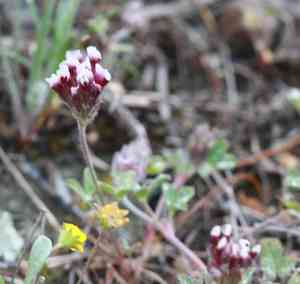
Branched indian clover thrives when relocated between early and late spring, aligning with its natural development. Select a bright spot featuring soil that drains effectively for peak performance. Refrain from excessive disturbance of the root system to avert undue strain.
What Preparations are Needed Before Transplanting Branched Indian Clover?
What is the Ideal Time for Transplanting Branched Indian Clover?
For branched indian clover, relocating it during early to late spring is perfect due to favorable soil conditions, increasing daylight, and mild temperatures. This timing promotes root development and overall vigor, ensuring the annual plant flourishes. Moving branched indian clover within this period maximizes its potential to thrive throughout its growing season.
How Much Space Should You Leave Between Branched Indian Clover Plants?
When relocating branched indian clover, ensure each plant is spaced 6-12 inches (15-30 cm) apart. This provides ample room for individual growth without resource competition, helping them remain healthy and robust.
What is the Best Soil Mix for Branched Indian Clover Transplanting?
Prepare your soil by selecting a well-draining mixture, ideally sandy loam. Enrich the soil with a balanced foundational fertilizer, such as a 10-10-10 (N-P-K) formula, to supply essential nutrients for branched indian clover's development.
Where Should You Relocate Your Branched Indian Clover?
Choose a site that offers full sun to partial shade for relocating branched indian clover. The plant thrives best with approximately 6-8 hours of daily sunlight to ensure optimal growth and flowering.
What Equipments Should You Prepare Before Transplantation Branched Indian Clover?
Gardening Gloves
To safeguard your hands while handling soil and plants.
Trowel
For excavating holes and lifting specimens.
Watering Can
To hydrate the plant before and after relocation.
Shovel or Spade
To dig a trench around the plant if extracting from the ground.
Garden Fork
To gently lift the plant if roots are tightly bound in a container.
Stakes or Supports
To prop up the plant if it is leggy and requires assistance during establishment.
How Do You Remove Branched Indian Clover from the Soil?
How Do You Remove Branched Indian Clover from the Soil?
From Ground: First, moisten the branched indian clover plant's soil. Then, dig a wide trench around the plant using a shovel or spade, ensuring the plant's root ball stays intact. Carefully work the spade beneath the root ball to lift the plant from its original spot.From Pot: Water the branched indian clover plant thoroughly before removal. Gently tilt the container and tap its sides to loosen the soil. Carefully slide the plant out, using a garden fork to untangle bound roots.From Seedling Tray: Water the soil in the tray to facilitate easier removal of the branched indian clover seedlings. Using a trowel, gently lift the seedlings from the tray, taking care to keep the root ball and soil intact.
Step-by-Step Guide for Transplanting Branched Indian Clover
Prepare the New Site
Clear the relocation area of weeds and debris. Ensure the soil is adequately prepared and moist.
Dig the Hole
Excavate a hole in the new location that is twice as wide and the same depth as the branched indian clover plant's root ball.
Add Compost or Organic Matter
Incorporate some compost or organic material into the soil at the bottom of the hole to provide the branched indian clover plant with a nutrient boost.
Place the Plant
Position the branched indian clover plant in the hole, making sure the top of the root ball is level with the ground surface.
Fill the Hole
Backfill the hole with soil, gently firming it around the base of the branched indian clover plant to eliminate air pockets.
Water Thoroughly
Water the newly relocated branched indian clover plant thoroughly to help settle the soil and encourage root development.
Add Mulch
Apply a layer of mulch around the base of the branched indian clover plant to retain moisture and suppress weeds.
How Do You Care For Branched Indian Clover After Transplanting?
Watering
Keep the soil around the branched indian clover consistently damp, but not waterlogged, for the initial few weeks post-relocation to aid in strong root establishment.
Monitoring
Regularly check for indicators of stress, such as wilting or yellowing foliage. Provide additional water or shade if necessary.
Staking
Utilize stakes or supports if required to keep the branched indian clover plant upright and stable as it establishes itself.
Fertilizing
Avoid applying fertilizer immediately after relocation. Wait a few weeks before using a balanced fertilizer to support new growth.
Troubleshooting Common Issues with Branched Indian Clover Transplantation.
When is the best time to transplant branched indian clover?
Relocate branched indian clover from early spring to late spring for optimal growth and establishment.
How much space should I leave between branched indian clover plants?
Maintain a spacing of 6-12 inches (15-30 cm) between each branched indian clover plant for proper growth.
What soil type is best for transplanting branched indian clover?
Branched indian clover thrives in well-drained, loamy soil with a neutral to slightly acidic pH.
How can I avoid transplant shock in branched indian clover?
Water thoroughly before and after relocating, and minimize root disturbance.
How deeply should branched indian clover be planted?
Plant branched indian clover at the same depth it was growing in its original container.
What watering regimen should I follow after transplanting branched indian clover?
Water branched indian clover deeply immediately after relocating and keep soil consistently moist during establishment.
Should I fertilize branched indian clover at transplanting?
Use a balanced, slow-release fertilizer or compost at transplanting to support branched indian clover's growth.
How can I protect branched indian clover from pests post-transplanting?
Apply organic mulch and use natural insect repellents like neem oil to protect branched indian clover.
Can I transplant branched indian clover in full sun or partial shade?
Branched indian clover prefers full sun but can tolerate partial shade if necessary.
What should I do if branched indian clover leaves start wilting post-transplant?
Ensure consistent watering and check for root damage to help branched indian clover recover.



