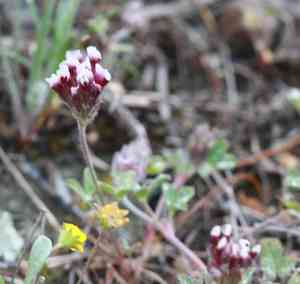
Branched indian clover (Trifolium dichotomum)
Also known as: Two-pronged clover
Branched Indian Clover (Trifolium dichotomum) is a low-lying annual herb notable for its branched stems and three-part leaves. It produces small, clustered pink to purple flowers that bloom in the spring and attract numerous pollinators. This plant prefers well-drained soils and is commonly found in meadows and grassy fields. Ecologically, Branched Indian Clover enhances soil fertility through its ability to fix atmospheric nitrogen, benefiting neighboring vegetation.
In This Article
Attributes of Branched indian clover
Lifespan
Annual
Plant Type
Herb
Plant Height
up to 30 cm
Spread
Varies; typically small and not well-defined as it is a herbaceous plant
Leaf Color
Green
Flower Size
0.5 - 1 cm
Flower Color
White to pink
Images of Branched indian clover
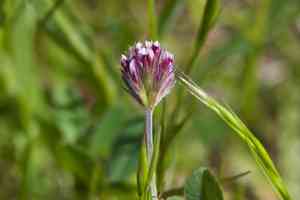
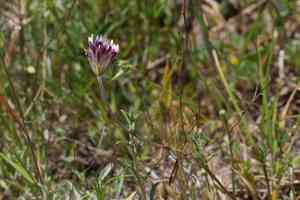
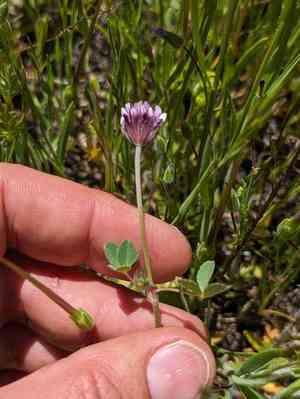
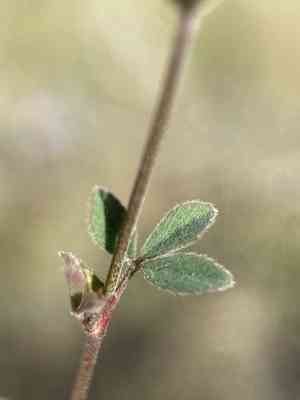
Quickly Identify Branched indian clover
1
Identifying Trifolium dichotomum involves looking for its distinctive bipinnate leaves and dichotomous branching. The flowers are typically small and clustered.
Scientific Classification of Branched indian clover
Phylum
Vascular plants
Class
Dicotyledons
Order
Fabales
Family
Legume
Genus
Clovers
Species
Branched indian clover
Planting and Growing of Branched indian clover
Care Difficulty
Moderate
Watering Schedule
Every 3 days
Sunlight Requirements
Full sun
Sunshine Duration
6-8 hours
Ideal Temperature
65-75℉
Soil Type
Potting Mix, Peat Mix
Soil pH
6.5-7.5
Fertilizer Type
Balanced
Pruning Season
Spring, Summer
Pruning Area
Branches, Leaves
Pruning Frequency
2 times a year
Repotting Season
Spring
Pot Type
Plastic, Ceramic
 How to Water Branched indian clover?
For Trifolium dichotomum, watering should be thorough yet moderate. Ensure the soil is evenly moist but not soggy. You should aim for 200ml per session depending on the size and soil type of your plant. Adjust accordingly if you notice drainage complaints or soil clumpiness that can restrict root growth.
What are the symptoms of an underwatered Branched indian clover?
›
What should I do if my Branched indian clover is not getting enough water?
›
What are the symptoms of an overwatered Branched indian clover?
›
How to save an overwatered Branched indian clover?
›
 What Are the Sunlight Requirements for Branched indian clover?
Trifolium dichotomum thrives in environments where it receives full sun to partial sun. The ideal light range promotes photosynthesis, leading to stronger growth, more vibrant foliage, and potentially an increase in flowering.
What type of light does Trifolium dichotomum prefer?
›
How can you achieve ideal lighting for Trifolium dichotomum?
›
What benefits does optimal light exposure bring to Trifolium dichotomum?
›
 What Is the Ideal Temperature Range for Branched indian clover?
The ideal temperature range for Trifolium dichotomum is between 65°F and 75°F. This temperature range allows the plant to thrive, ensuring proper growth and development. Maintaining this range helps optimize photosynthesis and overall health, reducing stress on the plant.
 What Soil is Best for Branched indian clover?
Trifolium dichotomum thrives in well-drained soil that prevents waterlogging, ensuring the roots access oxygen efficiently. This condition prevents root rot, promoting strong root development and healthy plant growth. The plant favors a nutrient-rich soil, abundant in organic matter to support its growth and flowering. Essential nutrients foster the plant's health, ensuring it achieves its full potential with lush foliage. Maintaining a soil with moderate moisture levels is crucial. While it dislikes excessive wetness, consistent moisture allows for optimal growth, preventing dehydration and promoting absorption efficiency.
 How to Fertilize Branched indian clover?
Trifolium dichotomum, commonly known as forked clover, has moderate fertilization needs. When using liquid fertilizers, apply a solution diluted to half the strength recommended for houseplants. For solid, slow-release fertilizers, use approximately 5 grams per square foot of planting area, applied evenly over the growing space.
 How to Prune Branched indian clover?
Start by assessing the plant in early spring or summer. Remove any dead or damaged stems at the base to encourage healthy growth. Trim back any overly long or unruly stems to maintain a neat shape, but ensure you leave enough foliage for the plant to thrive. Focus on creating a balanced shape. Cut back stems that are extending too far beyond the main shape of the plant, which will promote a more compact form and prevent it from sprawling excessively.
More About Pruning Techniques→
 How to Propagate Branched indian clover plant?
1
Fill the seed tray with sterile potting mix up to ¾ of its height. Lightly press down the soil to ensure even distribution but avoid compacting it too much, which can hinder drainage.
2
Sprinkle Trifolium dichotomum seeds evenly over the surface of the potting mix. Cover them with a thin layer of soil, about twice the thickness of the seeds, to allow adequate light penetration.
3
Gently water the seeds using a fine mist spray. Ensure the soil remains moist but not waterlogged. Place the tray in a warm, bright area, out of direct sunlight, to promote germination.
 How to Repot Branched indian clover plant?
1
You should consider repotting Trifolium dichotomum when you notice roots growing out of the drainage holes, significant water retention issues, or if the plant seems stunted. The best time for repotting is during early spring or autumn when the plant enters its active growth phase, ensuring it establishes well in the new pot. Repotting during these seasons minimizes stress and maximizes plant recovery.
2
Choose a pot that is about 1-2 inches larger in diameter than the current one, with adequate drainage holes to prevent waterlogged soil. A clay or terracotta pot is ideal as it allows moisture to evaporate from the sides in addition to the top, helping maintain optimal soil moisture and preventing root rot. The pot should be sturdy enough to accommodate the plant's growth and stable enough to support its weight.
3
Opt for a well-draining, sandy loam soil as it provides excellent aeration and prevents water accumulation, crucial for the healthy growth of Trifolium dichotomum. A good-quality potting mix with added sand or perlite will enhance drainage and mimic the plant’s native habitat conditions, promoting robust root development and optimal nutrient absorption.
Learn More About Branched indian clover Diseases
Anthracnose
Bacterial Leaf Spot
Bacterial Soft Rot
Bacterial Wilt
Chemical Injury
Cyst Nematode
Damping-off
Downy Mildew
Drought Stress
Fusarium Wilt
Gray Mold
Leaf Curl
Leaf Spot
Mosaic
Nutrient Deficiency
Nutrient Toxicity
Powdery Mildew
Root Rot
Root-knot Nematode
Rusts
Sooty Mold
Spider Mites
Temperature Stress
Thrips Damage
White Mold



