How to Transplant Cupped clover?
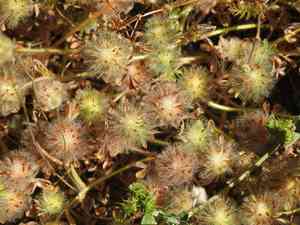
The ideal period for relocating cupped clover spans from the beginning to the end of spring, since moderate temperatures and extended daylight hours facilitate root development. Select a bright spot with soil that drains effectively. When transferring from containers, proceed with care to prevent harm to the roots.
What Preparations are Needed Before Transplanting Cupped Clover?
What is the Ideal Time for Transplanting Cupped Clover?
Moving cupped clover from early to late spring is perfect due to prime growing conditions. The ground is warming and moisture levels are good, promoting strong root development. This timing reduces transplant shock and maximizes growth potential. Early relocation ensures cupped clover establishes before summer heat, leading to a robust and healthy plant.
How Much Space Should You Leave Between Cupped Clover Plants?
When relocating cupped clover, ensure each plant is spaced 6-12 inches (15-30 cm) apart. This helps guarantee they have sufficient room to grow without competing for nutrients and space.
What is the Best Soil Mix for Cupped Clover Transplanting?
Opt for well-draining soil for cupped clover, ideally a sandy loam. Prior to planting, incorporate a balanced fertilizer to provide the plants with a nutrient-rich start. Compost can also be an excellent addition to enhance soil texture and fertility.
Where Should You Relocate Your Cupped Clover?
Choose a spot that gets full sunlight for at least 6 hours daily. Cupped clover thrives in such environments, ensuring vigorous growth and vibrant blooms throughout the season.
What Equipments Should You Prepare Before Transplantation Cupped Clover?
Gardening Gloves
To safeguard your hands while handling soil and plants.
Hand Trowel
For excavating small holes and lifting the plant from its container or seedling tray.
Shovel or Spade
For digging larger holes in the ground.
Watering Can or Hose
To hydrate the plant before and after relocation.
Pruners
For trimming any damaged roots or leaves.
How Do You Remove Cupped Clover from the Soil?
How Do You Remove Cupped Clover from the Soil?
From Ground: First, moisten the cupped clover plant to dampen the soil. Then, dig a wide trench around the plant using a shovel or spade, ensuring the plant's root ball remains intact. Carefully work the spade beneath the root ball to lift the plant from its original spot.From Pot: Gently water the cupped clover plant to help ease the root ball out of the pot. Tilt the pot and tap its sides to loosen the soil. Use a hand trowel to carefully lift the plant, ensuring you support the root ball to prevent damage.From Seedling Tray: Water the seedlings before removal to soften the soil. Use a hand trowel or your fingers to carefully lift each seedling from the tray, holding them by the leaves to avoid damaging the stem.
Step-by-Step Guide for Transplanting Cupped Clover
Prepare the New Location
Ensure the new planting area is ready. Dig a hole that is twice as wide and the same depth as the root ball of your cupped clover plant.
Removing the Plant
Use the appropriate method to remove your cupped clover plant based on its current location.
Position the Plant
Place the cupped clover plant in the center of the hole, ensuring that it is at the same depth as it was in its previous location. Spread out the roots gently if they are tightly bound.
Backfill the Hole
Fill the hole with soil around the root ball. Gently press the soil down to eliminate air pockets but avoid compacting it too much.
Watering
Water the planted cupped clover thoroughly to help settle the soil around the roots.
How Do You Care For Cupped Clover After Transplanting?
Watering
Keep the soil around the cupped clover consistently moist, but not waterlogged, for the first few weeks after transplanting to help establish strong roots.
Mulching
Apply a layer of mulch around the base of the cupped clover plant to help retain moisture and suppress weeds.
Monitoring
Regularly check the plant for signs of stress or disease. Wilting or yellowing leaves may indicate the need for more or less water.
Protection
If your cupped clover plant appears stressed, consider providing some temporary shade during the hottest part of the day while it establishes.
Troubleshooting Common Issues with Cupped Clover Transplantation.
When is the best time to transplant cupped clover?
Relocate cupped clover from early spring to late spring for optimal growth and establishment.
How far apart should cupped clover be spaced?
Space cupped clover plants 6-12 inches (15-30 cm) apart for healthy growth and ample room.
What type of soil is best for cupped clover transplantation?
Use well-draining, loamy soil rich in organic matter for relocating cupped clover.
How should I prepare the soil for cupped clover?
Loosen soil to a depth of 6 inches (15 cm) and mix in compost before planting cupped clover.
What should I do if cupped clover shows signs of transplant shock?
Water thoroughly and keep cupped clover out of direct sunlight for a few days to recover.
How can I prevent root damage when transplanting cupped clover?
Gently separate plants and maintain as much soil around the roots as possible while relocating cupped clover.
What is the ideal depth for planting cupped clover transplants?
Cupped clover should be planted at the same depth they were growing in their original container.
How often should I water cupped clover after transplanting?
Water cupped clover thoroughly after relocating and keep the soil consistently moist but not waterlogged.
Can I use fertilizer when transplanting cupped clover?
Avoid using fertilizer immediately after relocating cupped clover; wait until new growth appears.
How long does it take for cupped clover to establish after transplanting?
Cupped clover usually establishes within 1-2 weeks, showing new growth and stronger roots.



