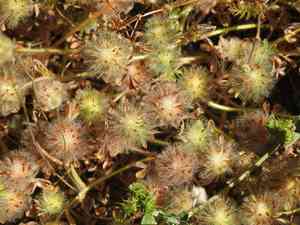
Cupped clover (Trifolium cherleri)
Also known as: Hairy trefoil
Cupped clover (Trifolium cyathiferum) is a low-growing perennial herb recognized by its three-part leaves, each consisting of oval leaflets. The plant produces attractive pink to purple flowers clustered in dense, rounded heads, which are highly appealing to pollinators. Adapted to moist environments, cupped clover is typically found in meadows, grasslands, and along stream banks in western North America. It thrives in well-drained soils and prefers sunny to partially shaded areas. The plant's root system is efficient at accessing moisture, allowing it to flourish and contribute to soil stabilization and enrichment.
In This Article
Attributes of Cupped clover
Lifespan
Annual
Plant Type
Herb
Plant Height
5-25 cm
Spread
The plant can spread to about 30 cm but does not form a significant crown.
Leaf Color
Green
Flower Size
0.5-1 cm
Flower Color
Yellow
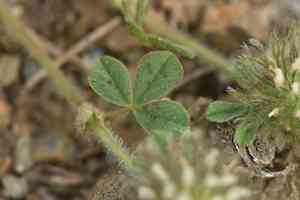
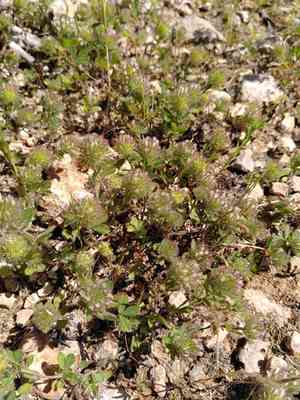
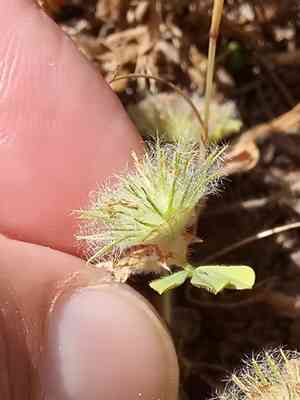
Images of Cupped clover
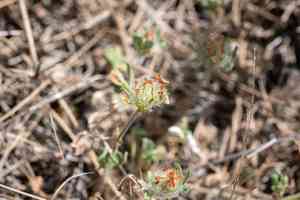
Quickly Identify Cupped clover
1
To identify Trifolium cherleri, look for its trifoliate (three-part) leaves, which are small and clover-like. The plant produces yellow flowers that are grouped in dense, rounded heads. The stems are often sprawling or decumbent.
Scientific Classification of Cupped clover
Phylum
Vascular plants
Class
Dicotyledons
Order
Fabales
Family
Legume
Genus
Clovers
Species
Cupped clover
Planting and Growing of Cupped clover
Care Difficulty
Easy
Watering Schedule
Every 2 days
Sunlight Requirements
Full sun
Sunshine Duration
4-8 hours
Ideal Temperature
60-75℉
Soil Type
Potting Mix, Peat Mix
Soil pH
6.5-7.5
Fertilizer Type
Balanced
Pruning Season
Spring, Summer
Pruning Area
Branches, Leaves
Pruning Frequency
2 times a year
Repotting Season
Spring
Pot Type
Plastic, Ceramic
 How to Water Cupped clover?
When watering Trifolium cherleri, ensure the soil is thoroughly moist but not waterlogged. This involves providing around 200ml of water, allowing the water to penetrate into the root zone to ensure comprehensive hydration without leaving excess standing water.
What are the symptoms of an underwatered Cupped clover?
›
What should I do if my Cupped clover is not getting enough water?
›
What are the symptoms of an overwatered Cupped clover?
›
How to save an overwatered Cupped clover?
›
 What Are the Sunlight Requirements for Cupped clover?
Trifolium cherleri thrives in full sun to partial sun, requiring 4 to 8 hours of light daily. Ideal lighting encourages healthy growth, vibrant foliage, and abundant flowering.
What is the best light exposure for Trifolium cherleri?
›
How can I achieve the ideal lighting for Trifolium cherleri?
›
What are the benefits of ideal lighting on Trifolium cherleri?
›
 What Is the Ideal Temperature Range for Cupped clover?
The ideal temperature range for growing Trifolium cherleri is between 60°F and 75°F. This range provides optimal conditions for growth and development, as it ensures the plant can photosynthesize efficiently and maintain healthy physiological functions such as water uptake and transpiration. Staying within this range can also prevent temperature stress which might lead to stunted growth or poor flowering.
 What Soil is Best for Cupped clover?
Trifolium cherleri thrives in well-drained soil, which prevents root rot and other waterlogged conditions. It ensures that the root system gets enough oxygen, promoting healthy growth. This plant does not require highly fertile soils. Moderate fertility supports adequate growth without promoting excessive foliage, which can detract from the plant's resilience. Soils with a calcareous component help maintain a neutral to slightly alkaline pH, which Trifolium cherleri prefers. This allows for optimal nutrient uptake.
 How to Fertilize Cupped clover?
For Trifolium cherleri, it's crucial to apply fertilizers in moderation to avoid nutrient burn. A general guideline is to use a liquid fertilizer at half the recommended strength for potted plants. For ground planting, a well-mixed slow-release fertilizer, using one tablespoon per square foot, works well.
 How to Prune Cupped clover?
Begin by identifying any dead, diseased, or damaged stems. These should be your first targets for removal. Prepare by gathering clean, sharp pruning shears and wearing gloves to protect your hands. Once the unwanted stems are removed, prune the plant to shape it as desired. Focus on creating a balanced and open structure to facilitate better airflow and light penetration. After pruning, clean up any fallen leaves or stems around the base of the plant. This helps in preventing pests and diseases from harboring in the debris.
 How to Propagate Cupped clover plant?
1
Begin by filling seed trays with potting mix, leaving a small gap at the top. Sow the Trifolium cherleri seeds thinly over the surface, spacing them evenly to avoid overcrowding. Lightly cover the seeds with a fine layer of soil.
2
After sowing, gently water the seed trays to ensure that the soil is evenly moist but not waterlogged. Maintain a humid environment by covering the tray with a clear plastic lid or using a propagator.
3
Ensure that the seed trays receive ample indirect sunlight. Keep them in a warm location, ideally between 18-22°C (64-72°F), to promote germination. Monitor the trays regularly to ensure they do not dry out.
 How to Repot Cupped clover plant?
1
Trifolium cherleri should be repotted when it shows signs of roots outgrowing the current pot or if the plant's growth has noticeably slowed down. The best time to undertake repotting is during spring or autumn when plant activity is optimal but pressure on resources is minimal.
2
Select a pot that is just one size larger than the existing one, ensuring it has proper drainage holes to prevent waterlogging. A slightly larger pot encourages healthy root growth without overwhelming the plant with excess soil that can retain too much moisture.
3
Opt for a light, well-draining soil mix, ideally with a slightly sandy texture. Such soil ensures adequate drainage and prevents the roots from sitting in water, which Trifolium cherleri dislikes. This choice mimics their natural habitat, promoting healthy growth.



