How to Transplant Large carrot-seed grass?
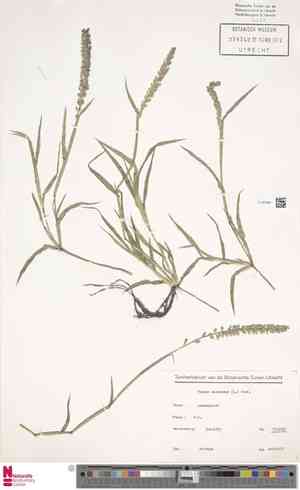
For a vigorous beginning for large carrot-seed grass, relocate it once the winter chill recedes and the mild temperatures of late spring arrive. Select a bright spot featuring soil that drains effectively. Being inherently adaptable, large carrot-seed grass settles into its new environment effortlessly.
What Preparations are Needed Before Transplanting Large Carrot-seed Grass?
What is the Ideal Time for Transplanting Large Carrot-seed Grass?
The prime period for relocating large carrot-seed grass spans from early spring to the onset of summer. This timing leverages mild weather, ensuring large carrot-seed grass roots establish in conditions that are neither too cold nor excessively hot, fostering a supportive environment for development. By selecting this window, you're setting large carrot-seed grass up for success, as the gentle spring climate facilitates root expansion and adaptation before the rigors of summer heat. Embrace this timing to give your large carrot-seed grass the robust start it merits!
How Much Space Should You Leave Between Large Carrot-seed Grass Plants?
Hello, gardening enthusiast! Before you begin planting large carrot-seed grass, ensure they have ample room to thrive. Aim to space each plant approximately 4-6 inches (10-15 cm) apart. This will guarantee your large carrot-seed grass specimens have sufficient space to develop robustly and healthily!
What is the Best Soil Mix for Large Carrot-seed Grass Transplanting?
For large carrot-seed grass, you'll want to prepare a welcoming bed. Choose a location with well-draining soil that is rich in organic material. Before planting, incorporate a balanced fertilizer to give your large carrot-seed grass a nutritional head start. Consider it a hearty meal for your plants!
Where Should You Relocate Your Large Carrot-seed Grass?
Let's brighten the life of your large carrot-seed grass! Select a sunny spot in your garden that receives abundant light for most of the day. Large carrot-seed grass thrives in warmth, making it ideal for bright, sun-drenched areas. A little sun exposure works wonders for growth!
What Equipments Should You Prepare Before Transplantation Large Carrot-seed Grass?
Gardening Gloves
To safeguard your hands while handling soil and plants.
Shovel or Garden Spade
Essential for excavating and moving the plant.
Hand Trowel
Useful for smaller tasks and managing individual plants.
Watering Can
Crucial for hydrating the plant before and after the transplanting process.
Pruning Shears
For trimming any dead or excess foliage, which can help lessen transplant shock.
Wheelbarrow
To transport the plant and soil if needed.
Soil Amendment
As advised by your local nursery to enhance existing soil if necessary.
Mulch
To aid in retaining soil moisture and regulating soil temperature after transplant.
How Do You Remove Large Carrot-seed Grass from the Soil?
How Do You Remove Large Carrot-seed Grass from the Soil?
From Ground: First, hydrate the large carrot-seed grass plant to moisten the soil. Then, excavate a wide trench around the plant with a shovel or spade, ensuring the plant's root ball remains intact. Carefully work the spade beneath the root ball to lift the plant from its original spot.From Pot: Water the large carrot-seed grass plant to facilitate removal. Tilt the pot sideways and gently tap or squeeze to loosen the root ball. Carefully ease the plant out of the pot, taking care not to pull on the stem or leaves.From Seedling Tray: Dampen the soil to minimize root disturbance. Use a hand trowel or similar tool to carefully lift the entire seedling soil block, ensuring the roots are disturbed as little as possible.
Step-by-Step Guide for Transplanting Large Carrot-seed Grass
Preparation
Before extracting large carrot-seed grass from its current location, prepare the new planting area by digging a hole that is twice as wide and slightly deeper than the root ball.
Root Ball Care
Inspect the root ball once it's removed from its original spot. Trim any broken or overly long roots with pruning shears.
Placement
Position large carrot-seed grass in the center of the newly prepared hole. The top of the root ball should be level with the surrounding soil surface.
Backfilling
Gently refill the hole with soil around the root ball, lightly tamping down to eliminate any large air pockets.
Watering
Immediately after planting, thoroughly water large carrot-seed grass to settle the soil and ensure good contact between roots and the surrounding soil.
How Do You Care For Large Carrot-seed Grass After Transplanting?
Monitoring
Check the soil moisture regularly to ensure it stays consistently moist. Avoid overwatering or allowing the soil to completely dry out.
Mulching
Apply mulch around the base of large carrot-seed grass to conserve moisture and deter weed growth.
Pruning
Trim or pinch off any dead or damaged foliage to encourage healthy new growth and reduce disease risk.
Support
If large carrot-seed grass appears weak or is leaning, consider staking or providing physical support until the plant is established.
Feeding
After a few weeks, apply a balanced, slow-release fertilizer to promote vigorous growth.
Troubleshooting Common Issues with Large Carrot-seed Grass Transplantation.
What's the best time of year to transplant large carrot-seed grass?
Transplant large carrot-seed grass when winter's chill recedes, ideally from early to late spring.
How far apart should I space large carrot-seed grass when transplanting?
Allow a spacing of 4-6 inches (10-15 cm) between each large carrot-seed grass for optimal development.
Why is my large carrot-seed grass wilting after transplanting?
Wilting may stem from root damage or insufficient water. Ensure careful handling and consistent moisture.
How deep should the soil be for transplanting large carrot-seed grass?
Plant large carrot-seed grass in a hole that matches the depth of the root ball, but no deeper.
Should I fertilize large carrot-seed grass after transplanting?
Wait 4-6 weeks before fertilizing to allow large carrot-seed grass to establish without harming delicate roots.
What soil type is best for transplanting large carrot-seed grass?
Utilize well-draining soil with abundant organic matter to provide a nourishing bed for large carrot-seed grass.
How much sunlight does large carrot-seed grass need after transplanting?
Position large carrot-seed grass in a location where they receive full sun to partial shade for robust growth.
What should I do if large carrot-seed grass shows yellowing leaves after transplanting?
Yellow leaves might indicate overwatering. Allow the soil to dry out somewhat between waterings.
How often should I water large carrot-seed grass after transplanting?
Water large carrot-seed grass regularly, keeping the soil uniformly moist, especially during the establishment phase.
Can large carrot-seed grass be transplanted during summer or fall?
It's best to transplant large carrot-seed grass during the cooler days of spring to minimize stress and maximize success.



