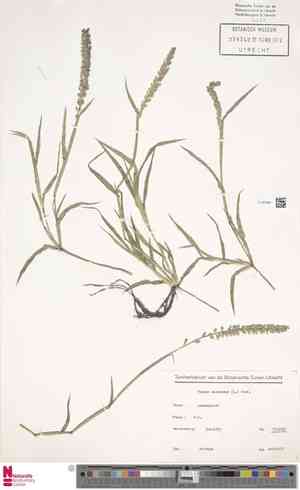
Large carrot-seed grass (Tragus racemosus)
Also known as: European bur-grass, Stalked bristlegrass
**Cocklebur** (genus *Xanthium*) is a resilient plant that excels in arid, neglected areas. It is particularly notable for its burr-like seed clusters, which easily attach to animals and humans, facilitating effective dispersal. With its robust nature, cocklebur thrives in disturbed soils, making the most of its environment to propagate and spread.
In This Article
Attributes of Large carrot-seed grass
Lifespan
Annual
Plant Type
Grass
Plant Height
0.1 to 0.5 meters (4 to 20 inches)
Spread
Typically spreads rather than forms a crown, usually up to 0.5 meters wide
Leaf Color
Green
Flower Size
Flowers are very small, generally less than 1 cm
Flower Color
Pale green or brownish
Images of Large carrot-seed grass
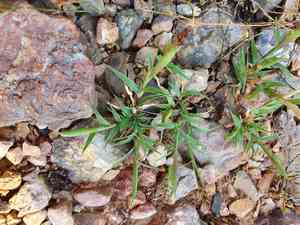
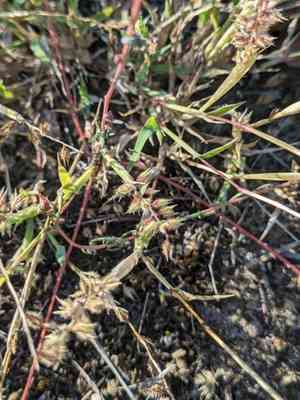
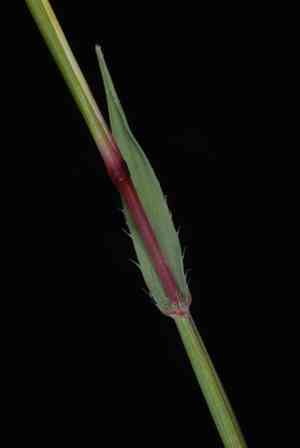
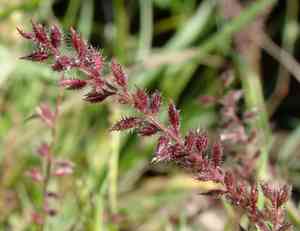
Quickly Identify Large carrot-seed grass
1
This grass can be identified by its sprawling, trailing stems that root at the nodes and small, spike-like inflorescences containing tiny spikelets.
Scientific Classification of Large carrot-seed grass
Phylum
Vascular plants
Class
Monocotyledons
Order
Poales
Family
Grass
Genus
Bur grass
Species
Large carrot-seed grass
Planting and Growing of Large carrot-seed grass
Care Difficulty
Easy
Watering Schedule
Every 2 days
Sunlight Requirements
Full sun
Sunshine Duration
4-8 hours
Ideal Temperature
70-85℉
Soil Type
Potting Mix, Peat Mix
Soil pH
6.5-7.5
Fertilizer Type
Balanced
Pruning Season
Spring, Summer
Pruning Area
Branches, Leaves
Pruning Frequency
2 times a year
Repotting Season
Spring
Pot Type
Plastic, Ceramic
 How to Water Large carrot-seed grass?
For Tragus racemosus, the watering amount should be just enough to moisten the soil without making it waterlogged. Aim to evenly saturate the soil to a depth of about 10 centimeters. This ensures that the water reaches the root zone, providing adequate hydration without oversaturating the plant.
What are the symptoms of an underwatered Large carrot-seed grass?
›
What should I do if my Large carrot-seed grass is not getting enough water?
›
What are the symptoms of an overwatered Large carrot-seed grass?
›
How to save an overwatered Large carrot-seed grass?
›
 What Are the Sunlight Requirements for Large carrot-seed grass?
Tragus racemosus thrives under full sun (6-8 hours/day), ensuring it reaches its optimal growth potential. This full light exposure supports robust foliage and enhances its overall health and longevity.
What is the ideal light level for Tragus racemosus?
›
What solutions can optimize light conditions?
›
Why is achieving the ideal light important?
›
 What Is the Ideal Temperature Range for Large carrot-seed grass?
The ideal temperature range for Tragus racemosus cultivation is between 70°F and 85°F. This range provides the optimal environment for growth, balancing moisture retention and preventing excessive evaporation. Maintaining this range ensures the plant receives adequate warmth for photosynthesis without the risk of overheating.
 What Soil is Best for Large carrot-seed grass?
Tragus racemosus thrives in well-drained soils. Good drainage prevents waterlogging, which can lead to root rot, ensuring the plant's roots remain healthy and oxygenated, crucial for robust growth. This plant does well in nutrient-poor soils, as it has adapted to extract necessary resources efficiently. Low nutrient soil minimizes competition from other plants, promoting Tragus racemosus's growth. A sandy to loamy texture is ideal for this grass because it allows for sufficient aeration while holding enough moisture, offering a perfect balance for root development and growth.
 How to Fertilize Large carrot-seed grass?
For Tragus racemosus, the appropriate amount of fertilizer is important to provide necessary nutrients without causing harm. Typically, use half the recommended amount on the fertilizer package, or about 10-15 grams per mature plant, to ensure balanced nutrient distribution.
 How to Prune Large carrot-seed grass?
Begin by removing any dead or diseased stems, which can sap energy from healthy parts of the plant. Use sharp, clean scissors and cut at a 45-degree angle to promote healing. Then, trim back any overly long stems to manage the plant's shape and size. Focus on maintaining an even distribution of stems to ensure balanced growth.
More About Pruning Techniques→
 How to Propagate Large carrot-seed grass plant?
1
Before planting, ensure the seeds are clean and free from debris. Soaking them in water overnight can enhance germination rates by mimicking natural processes.
2
Plant the seeds in the seed tray filled with the soil mix, covering them lightly. Ensure they are evenly spaced to allow adequate room for growth, and water gently to avoid displacing them.
3
Place the tray in a well-lit area that maintains a stable temperature. A warm environment accelerates germination; however, avoid direct sunlight which can overheat and dry out the seeds.
 How to Repot Large carrot-seed grass plant?
1
You should consider repotting Tragus racemosus when you notice the roots starting to grow out of the drainage holes, the soil dries out very quickly after watering, or if the plant seems to have stopped growing. These are clear signals that the plant has outgrown its pot and needs more space.
2
Select a pot that is only 1 to 2 inches larger in diameter than the current one. This size allows for some growth while preventing excessive moisture retention, which can lead to root rot. Choose pots with ample drainage holes to prevent waterlogging, protecting the delicate root system.
3
For Tragus racemosus, a well-draining loamy mix is ideal. This type of soil provides excellent drainage while retaining enough moisture to sustain the plant between waterings. It prevents the roots from sitting in water, reducing the risk of root rot and providing the nutrients necessary for vigorous growth.



