How to Transplant Western Spiderwort?
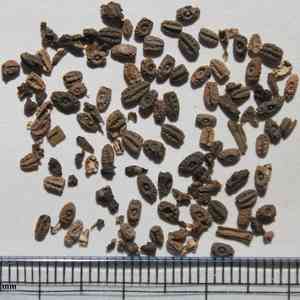
The optimal period for relocating western Spiderwort coincides with the vigor of late spring into early summer, facilitating root development in a moderate environment. Place in an area receiving abundant light and having permeable soil to guarantee western Spiderwort's flourishing growth.
What Preparations are Needed Before Transplanting Western Spiderwort?
What is the Ideal Time for Transplanting Western Spiderwort?
Hello fellow gardeners! The perfect time to move western Spiderwort to a new location is when spring's warmth transitions into pleasant early summer days. This optimal period allows western Spiderwort to establish its roots while the soil is damp and the weather is mild – perfect conditions to encourage growth without the stress of extreme heat. Relocating western Spiderwort during this window gives it the head start it needs, ensuring it absorbs enough sunlight and moisture to flourish. Isn't it wonderful to give your plants the best chance to thrive?
How Much Space Should You Leave Between Western Spiderwort Plants?
When positioning your western Spiderwort, aim for a comfortable home with ample room to grow. Place them approximately 10-12 inches (25-30 cm) apart, so each plant has space to develop and thrive without crowding its neighbors.
What is the Best Soil Mix for Western Spiderwort Transplanting?
Your western Spiderwort will flourish in well-draining soil that feels like a cozy bed—loose and nutrient-rich. Incorporate some compost to provide a nourishing boost. Starting with a balanced fertilizer will support your plant as it settles into its new environment!
Where Should You Relocate Your Western Spiderwort?
Choose a sunny spot for your western Spiderwort where they can enjoy sunlight for at least 6 hours daily. They appreciate warmth just as we enjoy a sunny beach day. Partial shade is also acceptable, just ensure they receive their daily sun-kissed moments!
What Equipments Should You Prepare Before Transplantation Western Spiderwort?
Gardening Gloves
To safeguard your hands while handling soil and western Spiderwort.
Spade or Shovel
For digging up the western Spiderwort from its original spot and creating a hole at the transplant site.
Hand Trowel
Used for more precise digging and adjusting soil around the western Spiderwort's roots during relocation.
Watering Can or Hose
To hydrate the western Spiderwort before and after removal, as well as in its new position.
Pruning Shears
For trimming any dead or damaged parts of the western Spiderwort prior to transplanting.
Garden Fork
To gently loosen the soil around the western Spiderwort's root ball without causing damage.
Wheelbarrow or Garden Cart
To move the western Spiderwort and any necessary soil amendments from one place to another if required.
Mulch
To cover the soil after transplanting to help retain moisture and prevent weed growth.
How Do You Remove Western Spiderwort from the Soil?
How Do You Remove Western Spiderwort from the Soil?
From Ground: First, water the western Spiderwort to moisten the soil. Use a garden fork to gently loosen the earth around the plant's root system. Employ a spade to dig a generous perimeter around the plant, going deep enough to include the entire root ball. Using the spade or your hands, carefully lift the plant from the ground, ensuring to keep as much soil around the roots as possible.From Pot: Water the western Spiderwort to facilitate the removal of the root ball. Turn the pot sideways, tap the bottom, or press the sides to help dislodge the plant. Gradually slide the plant out while supporting the base of the stem with your hand, ensuring the root ball remains intact.From Seedling Tray: Water the soil in the seedling tray to ensure it is damp. Gently push the western Spiderwort from the bottom to loosen it. Grasp the base of the stem with your fingers and ease the plant out of the cell, taking care not to harm the delicate roots.
Step-by-Step Guide for Transplanting Western Spiderwort
Preparation
Water your western Spiderwort thoroughly the day before you plan to move it. This helps ensure the plant is well-hydrated and that the soil adheres to the roots during the transplant process.
Excavation
With your tools ready, carefully dig around the western Spiderwort. Ensure you maintain a healthy margin around the plant to minimize root disturbance. Gently lift the plant from its current location following the removal instructions above.
Hole Creation
At the new site, use a shovel to dig a hole that is twice as wide and as deep as the western Spiderwort's root ball. This encourages the roots to spread out.
Placement
Carefully position the western Spiderwort into the hole, ensuring that the top of the root ball is level with the surrounding soil surface. Adjust the depth by adding or removing soil if necessary.
Soil Amendment
Unless already done, you can enrich the soil with organic material to aid root establishment, but avoid excessive fertilization.
Backfilling
Gently refill the hole with soil, lightly firming it down as you go to eliminate air pockets. Ensure the western Spiderwort is stable in the ground but not overly compacted.
Watering
Water the western Spiderwort generously after planting to settle the soil around the roots and help reduce transplant shock.
Mulching
Apply a layer of mulch around the base of the western Spiderwort to help retain soil moisture, being careful not to pile it against the stem.
How Do You Care For Western Spiderwort After Transplanting?
Watering
Keep the soil around the western Spiderwort consistently moist, especially during the initial weeks after transplanting. Reduce frequency once the plant is established.
Pruning
After transplanting, trim any dead or broken stems to encourage new growth.
Monitoring
Regularly check the western Spiderwort for signs of stress, such as wilting or discolored leaves. If observed, adjust care routines accordingly.
Protecting
During the first winter after planting, you might need to provide extra protection from frost for your western Spiderwort, such as using a frost blanket or additional mulch.
Troubleshooting Common Issues with Western Spiderwort Transplantation.
When is the best time to transplant western Spiderwort?
The optimal period to transplant western Spiderwort is from mid-spring to early summer for improved root establishment.
What spacing is necessary for transplanting western Spiderwort?
Space western Spiderwort approximately 10-12 inches (25-30 cm) apart to allow sufficient room for growth and air circulation.
Why is my transplanted western Spiderwort wilting?
Wilting after transplanting western Spiderwort often indicates water stress or root disturbance. Ensure gentle handling and adequate watering.
Can I divide western Spiderwort during transplanting?
Absolutely! Dividing western Spiderwort during transplanting helps propagate your plants and revitalize overgrown clumps.
How deep should I plant western Spiderwort?
Plant western Spiderwort at the same depth it was growing previously, typically no deeper than the root ball.
Should I amend the soil when transplanting western Spiderwort?
Yes, enriching your soil with compost will provide western Spiderwort with the nutrients needed for successful transplanting.
How do I avoid transplant shock in western Spiderwort?
Minimize root exposure to air, water thoroughly after transplanting, and provide shade to reduce shock to western Spiderwort.
How often should I water western Spiderwort post-transplant?
Initially water western Spiderwort daily to keep the soil moist, then gradually decrease to normal as the plant establishes.
Can I transplant western Spiderwort in full sun?
Western Spiderwort thrives in full sun to partial shade, but avoid intense midday sun immediately after transplanting.
What signs indicate western Spiderwort is ready for transplant?
Look for vigorous, healthy growth and a root system that fills the pot but isn't root-bound.



