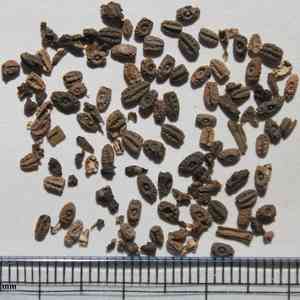
Western Spiderwort (Tradescantia occidentalis)
Also known as: Prairie Spiderwort
Western Spiderwort (*Tradescantia occidentalis*) is a radiation-sensitive plant from the dayflower family. Exposure to radiation causes its typically blue stamens to turn pink. This plant is indigenous to the central and western regions of the United States.
Attributes of Western Spiderwort
Images of Western Spiderwort
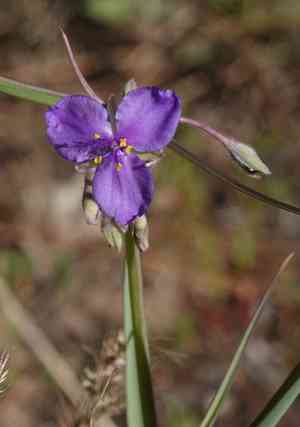
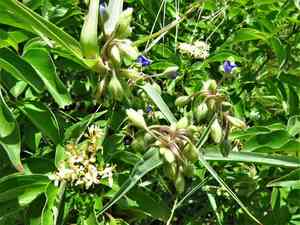
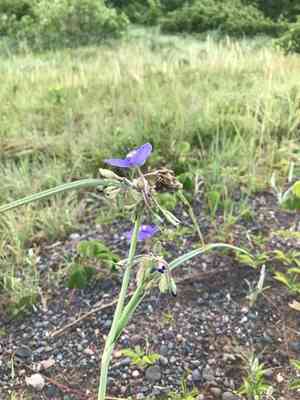

Quickly Identify Western Spiderwort
Scientific Classification of Western Spiderwort
Planting and Growing of Western Spiderwort
 How to Water Western Spiderwort?
 What Are the Sunlight Requirements for Western Spiderwort?
 What Is the Ideal Temperature Range for Western Spiderwort?
 What Soil is Best for Western Spiderwort?
 How to Fertilize Western Spiderwort?
 How to Prune Western Spiderwort?
 How to Propagate Western Spiderwort plant?
 How to Repot Western Spiderwort plant?
Toxicity of Western Spiderwort
Is Western Spiderwort toxic to humans?
The Western Spiderwort presents a low-level toxicity risk to humans if ingested. This plant contains oxalate crystals throughout its structure, which can result in poisoning when eaten. Consumption of these crystals may lead to a variety of symptoms, such as mouth and gastrointestinal irritation, causing a burning feeling, swelling, and difficulty in swallowing. Additionally, instances of nausea, vomiting, and diarrhea could arise. Since all parts of the Western Spiderwort are toxic, it is essential to exercise caution to avoid accidental ingestion, especially by children or pets who may be attracted to the plant's aesthetic appeal.
Is Western Spiderwort toxic to cat?
Western Spiderwort presents a slight toxicity hazard for cats and can cause poisoning if accidentally ingested. The entire plant harbors oxalate crystals, which can be detrimental when consumed. Ingesting this plant may lead to various symptoms indicating physical discomfort, including oral irritation which might manifest as pawing at the mouth, reduced appetite, or gastrointestinal disturbances. It is crucial for cat owners to identify these distress signals and to promptly seek veterinary assistance to safeguard their cat’s health and well-being.
Is Western Spiderwort toxic to dog?
The western Spiderwort plant species is recognized as having a low level of toxicity for dogs. If dogs accidentally consume this plant, they can suffer from poisoning. This applies to all parts of the plant, including the leaves, stems, and flowers, which contain toxic compounds that pose a threat to canine health. Upon ingesting western Spiderwort, dogs may experience symptoms like gastrointestinal distress, excessive drooling, vomiting, or diarrhea. Dog owners should be aware that the presence of oxalate crystals in western Spiderwort can lead to these negative effects. If you believe your dog has ingested western Spiderwort, it is vital to seek immediate veterinary assistance to ensure the best possible recovery for your pet.



