How to Transplant Ajowan?
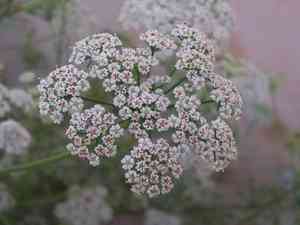
Ajowan flourishes when relocated during the milder period of early to mid-spring, requiring ample sunlight and soil that drains effectively. Select a bright, protected spot to encourage robust development. Enjoy your planting!
Necessary Preparations Before Relocating Ajowan?
Optimal Period for Ajowan Relocation?
The best time to move ajowan is from early to mid-spring. This timeframe provides moderate temperatures and increased soil moisture, promoting robust root development. Transplanting then enhances plant stability and boosts growth, maximizing ajowan's success. Correct timing is vital for strong development and overall plant health.
Required Spacing Between Ajowan Plants?
When moving ajowan, ensure a 9-12 inch (23-30 cm) gap between them. This provides ample room for each plant to develop without competing for nutrients and sunlight.
Ideal Soil Blend for Ajowan Relocation?
Prepare the soil for ajowan using a well-draining mix enriched with compost. Loamy soil is perfect. Incorporate a balanced base fertilizer to give the plants a strong start.
Recommended Location for Your Ajowan?
Select a sunny spot for ajowan relocation. Aim for an area receiving at least 6-8 hours of daily sunlight to support healthy growth.
Equipment to Prepare Before Ajowan Transplantation?
Gardening Gloves
To safeguard your hands while handling soil and plants.
Shovel or Spade
For excavating the planting hole and extracting the plant from its initial spot.
Trowel
A smaller implement for precise digging around the plant's root system.
Wheelbarrow or Garden Cart
To move the plant and soil.
Watering Can or Hose
For hydrating the plant post-transplantation.
Mulch
To aid in retaining soil moisture and safeguarding plant roots.
How to Extract Ajowan from the Soil?
How to Extract Ajowan from the Soil?
From Ground: First, moisten the ajowan plant's soil. Then, dig a wide trench around the plant with a shovel or spade, keeping the root ball intact. Carefully work the spade beneath the root ball to lift the plant from its original spot.From Pot: Thoroughly water the ajowan plant before removal. Tap the pot's sides to loosen the soil. Gently tilt the pot and support the plant's base as you slide it out, ensuring no root damage.From Seedling Tray: Carefully water the ajowan seedlings in the tray. Use a trowel to gently lift each seedling by its root ball, being careful not to harm the delicate roots. If seedlings are close, you may need to separate them gently.
Step-by-Step Guide for Relocating Ajowan
Site Preparation
Select an appropriate location for your ajowan, ensuring good soil quality and sufficient space for growth.
Digging the Hole
Excavate a hole twice as wide and as deep as the ajowan's root ball. This allows ample room for root expansion.
Plant Placement
Position the ajowan in the hole, ensuring it sits at the same depth as its previous location. The top of the root ball should be level with the surrounding ground.
Backfilling
Refill the hole with soil, gently pressing around the ajowan's base to eliminate air pockets. Avoid over-compacting the soil, as roots require space to grow.
Watering
Thoroughly water the ajowan to help settle the soil around its roots. Ensure the soil is moist but not waterlogged.
Mulching
Apply a layer of mulch around the ajowan's base to help retain moisture and shield roots from temperature extremes. Do not pile mulch directly against the plant's stem.
Post-Transplantation Care for Ajowan?
Watering
Keep the soil around the ajowan consistently damp, but not saturated, for the initial weeks after transplanting to encourage strong root development.
Monitoring
Regularly inspect the ajowan for signs of distress, such as wilting or yellowing foliage, and address issues promptly.
Weeding
Maintain a weed-free area around the ajowan to minimize competition for nutrients and water.
Protection
Consider using a light shade cloth to shield the ajowan from intense sunlight as it adjusts to its new environment, if necessary.
Resolving Common Ajowan Transplantation Issues.
When is the optimal time to transplant ajowan?
Early to mid-spring is ideal for ajowan transplantation, ensuring prime growth conditions.
What spacing is recommended for ajowan plants?
Space ajowan plants 9-12 inches (22-30 cm) apart for optimal growth and air circulation.
Which soil type is best for ajowan?
Ajowan thrives in well-draining, sandy loam soil rich in organic matter.
How should I prepare the soil for ajowan transplantation?
Amend the soil with compost and ensure good drainage before transplanting ajowan.
Is hardening off ajowan seedlings necessary before transplanting?
Yes, gradually expose ajowan seedlings to outdoor conditions over a week to harden them off.
What depth should ajowan transplants be planted?
Plant ajowan at the same depth they were in their seedling containers to prevent stress.
What if ajowan transplants wilt after transplanting?
Ensure proper watering and protect them from direct sunlight for a few days.
How frequently should I water ajowan after transplanting?
Water ajowan thoroughly after transplanting and maintain consistently moist, not waterlogged, soil.
Can mulch be used for ajowan after transplanting?
Yes, apply mulch around ajowan to retain moisture and suppress weeds, avoiding stem contact.
What common pest affects freshly transplanted ajowan?
Watch for aphids on transplanted ajowan; use organic insecticidal soap if needed.



