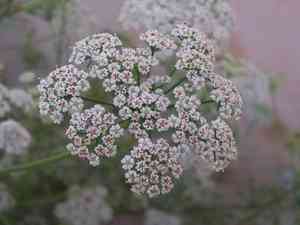
Ajowan (Trachyspermum ammi)
Also known as: Ajowan bishop's weed
Ajwain seeds are tiny, oval, and ridged, with a pale brown color. These seeds resemble those of caraway, cumin, and fennel, all part of the Apiaceae family. Their taste is intensely pungent and slightly bitter, with a flavor reminiscent of thyme, anise, and oregano.
In This Article
Attributes of Ajowan
Lifespan
Annual
Plant Type
Herb
Plant Height
30-90 cm
Spread
Not typically measured, as it is an herbaceous plant.
Leaf Color
Green
Flower Size
2-3 mm (individual flowers); 2-5 cm (umbel)
Flower Color
White
Images of Ajowan
Quickly Identify Ajowan
1
Trachyspermum ammi can be identified by its small, oval-shaped seeds that have a distinctive thyme-like fragrance. Its leaves are feathery, and the plant produces small white flowers arranged in umbels.
Scientific Classification of Ajowan
Phylum
Vascular plants
Class
Dicotyledons
Order
Apiales
Family
Umbellifers
Genus
Ajowan caraway
Species
Ajowan
Planting and Growing of Ajowan
Care Difficulty
Easy
Watering Schedule
Every 3 days
Sunlight Requirements
Full sun
Sunshine Duration
6-10 hours
Ideal Temperature
68-77℉
Soil Type
Potting Mix, Peat Mix
Soil pH
6.5-7.5
Fertilizer Type
Balanced
Pruning Season
Spring, Summer
Pruning Area
Branches, Leaves
Pruning Frequency
2 times a year
Repotting Season
Spring
Pot Type
Plastic, Ceramic
 How to Water Ajowan?
For Trachyspermum ammi, ensure the soil is evenly moist but not waterlogged. Watering about 200 mL each time should suffice, ensuring water penetrates deeply without leaving standing water on the soil surface.
What are the symptoms of an underwatered Ajowan?
›
What should I do if my Ajowan is not getting enough water?
›
What are the symptoms of an overwatered Ajowan?
›
How to save an overwatered Ajowan?
›
 What Are the Sunlight Requirements for Ajowan?
Trachyspermum ammi prefers 6 to 8 hours of sunlight daily for optimal growth. This light exposure supports strong foliage, healthy seed production, and maximizes the plant's essential oil yields.
What is the ideal lighting for Trachyspermum ammi?
›
How can you ensure Trachyspermum ammi receives ideal lighting?
›
What are the benefits of providing ideal lighting to Trachyspermum ammi?
›
 What Is the Ideal Temperature Range for Ajowan?
Trachyspermum ammi thrives best within the temperature range of 68 to 77°F. This range ensures that the plant has optimal conditions for physiological processes such as photosynthesis, while also minimizing stress-related issues. The warmth in this range encourages healthy growth and maximizes yield, important considerations for both ornamental and medicinal applications of this plant. Maintaining consistent temperatures within this range is crucial during its growth seasons.
 What Soil is Best for Ajowan?
Trachyspermum ammi thrives in well-drained soil, which prevents waterlogging and root rot. Ensuring good drainage helps the plant absorb nutrients efficiently and promotes healthy root development. This plant benefits from soil that is rich in organic matter. Nutrient-rich soil ensures that the plant receives sufficient nourishment for robust growth and high yield of seeds rich in essential oils. While it prefers well-drained soil, Trachyspermum ammi also requires soil that retains some moisture. This balance prevents excessive drying out, supporting consistent growth and development.
 How to Fertilize Ajowan?
When fertilizing Trachyspermum ammi, use a balanced fertilizer with equal parts nitrogen, phosphorus, and potassium. Mix approximately 10 grams of liquid fertilizer per liter of water. Ensure that the solution is evenly distributed around the base of the plant, avoiding direct contact with the leaves.
 How to Prune Ajowan?
Begin by inspecting the plant for any dead or discolored branches. Use sterilized pruning scissors to trim these away. Focus on cutting back any overgrown stems to encourage a bushier growth habit. Always make clean cuts at a slight angle above a node to promote new growth. To maintain a pleasing shape and control the size, trim the outer leaves and branches systematically. Pinch back the tips of the plant to encourage fuller growth. Avoid cutting more than a third of the plant at one time to reduce stress on the plant.
 How to Propagate Ajowan plant?
1
Prepare a well-draining potting mix using equal parts of perlite, peat moss, and vermiculite. This mixture allows for adequate drainage and aeration, essential for seed germination.
2
Sow the seeds thinly on the surface of the soil. Press them down gently but do not cover them with soil as these seeds require light to germinate. Water them lightly to settle the seed.
3
Place the seed tray in a location with indirect sunlight. Maintain a temperature range of 20-25°C to facilitate germination. Keep the soil consistently moist but not waterlogged.
 How to Repot Ajowan plant?
1
Repot Trachyspermum ammi when you observe roots coming out of the drainage holes or the plant looking cramped in its current pot. Early spring or summer is the best time, as the plant is gearing up for its growth spurt.
2
Select a pot that is one size larger than the current one. The pot should have drainage holes to prevent waterlogging, which can cause root rot. A slightly larger pot provides space for root growth, promoting a more robust plant.
3
Use a well-draining soil mix, which typically includes a combination of regular potting soil, sand, and perlite. This blend helps to prevent water retention, reducing the risk of root rot and ensuring the plant receives adequate aeration.
Learn More About Ajowan Diseases
Anthracnose
Bacterial Leaf Spot
Bacterial Soft Rot
Bacterial Wilt
Damping-off
Downy Mildew
Drought Stress
Fusarium Wilt
Gray Mold
Leaf Spot
Mosaic
Nutrient Deficiency
Nutrient Toxicity
Powdery Mildew
Root Rot
Root-knot Nematode
Rusts
Sooty Mold
Spider Mites
Temperature Stress
Thrips Damage
White Mold
Chemical Injury



