How to Transplant Foothill death camas?
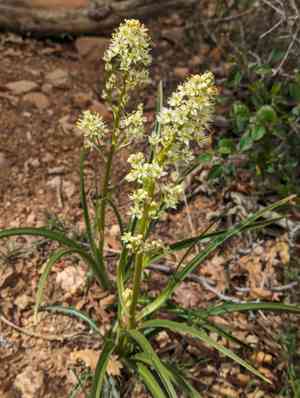
The optimal period for relocating Foothill death camas is from early to mid-spring, providing sufficient opportunity for root development prior to the onset of warmer weather. Select a site that receives full sun to partial shade and possesses good drainage to facilitate a successful transplant.
What Preparations are Needed Before Transplanting Foothill Death Camas?
What is the Ideal Time for Transplanting Foothill Death Camas?
Foothill death camas, a perennial plant, thrives when relocated in early to mid-spring. This timing ensures the soil is manageable and temperatures are moderate, fostering robust root growth. Moving foothill death camas during this period capitalizes on natural rainfall, lessening the need for extra watering, and helps the plant establish itself before summer heat causes stress.
How Much Space Should You Leave Between Foothill Death Camas Plants?
Position your foothill death camas plants 12-18 inches (30-45 cm) apart. This provides ample room for development while preventing overcrowding, ensuring each plant receives sufficient nutrients and air circulation.
What is the Best Soil Mix for Foothill Death Camas Transplanting?
Prior to relocating foothill death camas, prepare well-draining soil enriched with a phosphorus-rich base fertilizer to stimulate root development. Aim for a soil pH of 6.0-7.0. You can incorporate compost to enhance soil fertility and structure.
Where Should You Relocate Your Foothill Death Camas?
Foothill death camas flourishes in full sun to partial shade. Select a location that receives at least 6 hours of sunlight daily. Steer clear of areas with excessive water runoff, as foothill death camas prefers drier conditions.
What Equipments Should You Prepare Before Transplantation Foothill Death Camas?
Gardening Gloves
To safeguard your hands while handling soil and the plant.
Shovel or Spade
To excavate around and lift the foothill death camas plant from its original spot.
Hand Trowel
For more precise digging and careful handling of roots.
Watering Can or Hose
To hydrate the plant before and after its relocation.
Wheelbarrow or Bucket
To transport the foothill death camas plant if necessary.
Pruners or Scissors
To trim any damaged or lifeless foliage.
How Do You Remove Foothill Death Camas from the Soil?
How Do You Remove Foothill Death Camas from the Soil?
From Ground: First, moisten the soil around the foothill death camas plant. Then, dig a wide trench around the plant using a shovel or spade, ensuring the plant's root ball remains intact. Carefully work the spade beneath the root ball to lift the plant from its initial position.From Pot: Water the foothill death camas plant to facilitate the easy removal of soil and roots. Gently hold the plant at its base, invert the pot, and tap the bottom to release the plant. Carefully shake off excess soil from the roots.From Seedling Tray: Water the foothill death camas seedlings to make the soil damp. Use a hand trowel or your fingers to gently lift each seedling from the tray, ensuring the root ball stays intact. Handle the seedlings carefully by their leaves to avoid harming the delicate stems.
Step-by-Step Guide for Transplanting Foothill Death Camas
Prepare the New Site
Select a new location that fulfills the spacing, soil type, and sunlight requirements for the foothill death camas. Clear any weeds or debris from the transplanting area.
Dig the New Hole
Excavate a hole that is twice as wide and equally deep as the root ball or pot of the foothill death camas plant. This allows the roots to spread comfortably in their new environment.
Optional Soil Amendments
If necessary, incorporate compost or other soil enhancers into the dug hole to improve soil quality and ensure proper drainage. Mix thoroughly with the surrounding soil.
Place the Plant in the Hole
Carefully position the foothill death camas plant into the prepared hole. Ensure that the top of the root ball is level with or slightly above the surrounding soil surface.
Fill the Hole
Backfill the hole with the excavated soil, gently tamping it down around the root ball to eliminate air pockets. Be careful not to compact the soil too firmly.
Water Thoroughly
Water the foothill death camas plant deeply to help settle the soil around the roots and minimize transplant shock.
Apply Mulch
Spread a layer of mulch around the base of the foothill death camas plant to retain moisture and regulate soil temperature. Keep the mulch a few inches away from the stem to prevent rot.
How Do You Care For Foothill Death Camas After Transplanting?
Watering
Keep the soil around the foothill death camas consistently moist, but not waterlogged, for the initial few weeks after transplanting to aid in establishing strong roots.
Mulching
Replenish mulch as needed to maintain a 2-3 inch layer, which helps conserve moisture and control weeds.
Monitoring
Observe for any indications of transplant shock, such as wilting or yellowing leaves, and address promptly by adjusting water levels or providing temporary shade if required.
Pruning
Trim any damaged or dead foliage to direct the plant's energy towards healthy new growth.
Troubleshooting Common Issues with Foothill Death Camas Transplantation.
When is the best time to transplant foothill death camas?
Relocate foothill death camas during early to mid-spring or late summer to early fall for optimal results.
How far apart should I space foothill death camas?
Space foothill death camas 12-18 inches (30-45 cm) apart to ensure proper growth and root development.
How deep should I plant the roots?
Plant the roots of foothill death camas approximately 4-6 inches (10-15 cm) deep in well-drained soil.
What type of soil is ideal for transplanting foothill death camas?
Choose well-drained, sandy to loamy soil for relocating foothill death camas to support healthy growth.
Should I water foothill death camas immediately after transplanting?
Yes, water foothill death camas thoroughly right after transplanting to help settle the roots and reduce shock.
Can I transplant foothill death camas during a hot day?
Avoid relocating foothill death camas on hot days. Early morning or late evening are preferable to reduce stress.
How do I minimize transplant shock for foothill death camas?
Minimize transplant shock by keeping the roots moist and shading the plant from harsh sun initially.
What should I do if the leaves of foothill death camas start to wilt post-transplant?
Wilting leaves after transplant can signal stress. Ensure proper watering and monitor soil moisture closely.
Do I need to fertilize foothill death camas immediately after transplanting?
Avoid fertilizing immediately. Wait until foothill death camas shows new growth before applying a balanced fertilizer.
How can I identify suitable spacing for foothill death camas?
Ensure each foothill death camas has its own 12-18 inches (30-45 cm) of space for optimal growth and air circulation.



