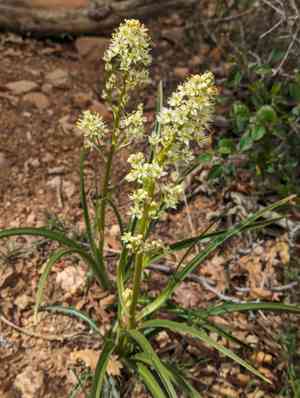
Foothill death camas (Toxicoscordion paniculatum)
Also known as: Meadow Deathcamas, Panicled Deathcamas
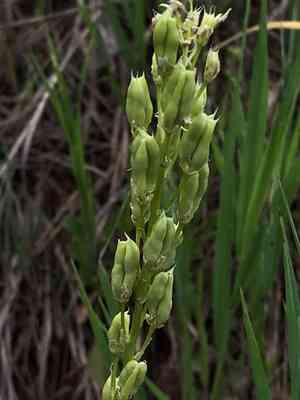
Toxicoscordion paniculatum is a perennial wildflower that starts from an egg-shaped bulb, typically brown or black, and measures between 2 to 5 centimeters in length and up to 3 centimeters in width. The plant's stem can reach a height of up to 70 centimeters. Its linear leaves can grow as long as 50 centimeters. The fruit of the plant is a capsule, usually 1 to 2 centimeters in length.
In This Article
Attributes of Foothill death camas
Lifespan
Perennial
Plant Height
30 cm to 76 cm
Spread
N/A
Leaf Color
Green
Flower Size
1-2 cm
Flower Color
White or Yellowish
Images of Foothill death camas
Quickly Identify Foothill death camas
1
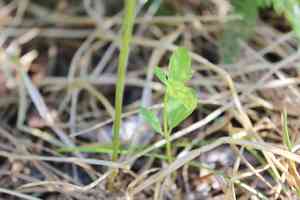
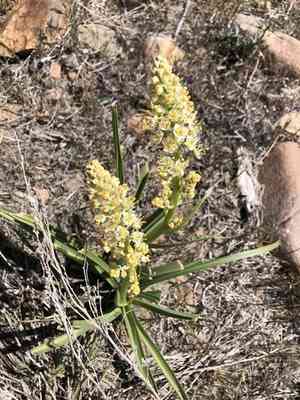
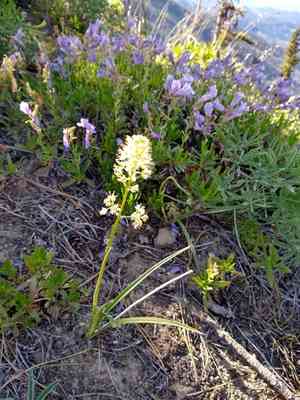
This plant can be identified by its tall, slender, and erect stems that can reach up to 70 centimeters in height. It has narrow leaves that are generally basal, meaning they grow from the base of the stem. The inflorescence is a panicle, which is a loose, branched cluster of white or yellowish flowers. Each flower has six tepals (petals and sepals that are often similar in appearance).
Scientific Classification of Foothill death camas
Phylum
Vascular plants
Class
Monocotyledons
Order
Liliales
Family
Bunchflower
Genus
Death camas
Species
Foothill death camas
Planting and Growing of Foothill death camas
Care Difficulty
Hard
Watering Schedule
Every 2 days
Sunlight Requirements
Partial sun
Sunshine Duration
6-10 hours
Ideal Temperature
60-75℉
Soil Type
Potting Mix, Peat Mix
Soil pH
6.5-7.5
Fertilizer Type
Balanced
Pruning Season
Spring, Summer
Pruning Area
Branches, Leaves
Pruning Frequency
2 times a year
Repotting Season
Spring
Pot Type
Plastic, Ceramic
 How to Water Foothill death camas?
When watering Toxicoscordion paniculatum, ensure the soil is moistened evenly but not soggy, aiming for around 250 ml per session. This provides enough hydration without waterlogging, adhering to its preference for moderate moisture levels while allowing the soil to partially dry out between waterings.
What are the symptoms of an underwatered Foothill death camas?
›
What should I do if my Foothill death camas is not getting enough water?
›
What are the symptoms of an overwatered Foothill death camas?
›
How to save an overwatered Foothill death camas?
›
 What Are the Sunlight Requirements for Foothill death camas?
Partial sun optimally benefits this plant, allowing it to thrive without risk of damage from extreme sun exposure. Adequate light supports better flowering, lush foliage, and robust growth, accommodating the plant's natural needs.
What is the best way to ensure Toxicoscordion paniculatum gets ideal light?
›
How can you provide sufficient light indoors?
›
What benefits does ideal lighting offer Toxicoscordion paniculatum?
›
 What Is the Ideal Temperature Range for Foothill death camas?
The ideal temperature range for Toxicoscordion paniculatum is between 60°F and 75°F. In this range, the plant has optimal growth and cellular functions. Ensuring that the ambient temperature remains within this range will contribute to robust plant health and proper development of its features.
 What Soil is Best for Foothill death camas?
Toxicoscordion paniculatum thrives in well-drained soil, which prevents waterlogging and root rot. This is crucial for its growth as it ensures that the roots get adequate oxygen. The plant prefers soil with moderate fertility. Too much fertility can lead to lush foliage at the expense of flowering, whereas too little can stunt growth. Incorporating organic matter enhances soil structure and drainage, ensuring a steady supply of nutrients for Toxicoscordion paniculatum, promoting healthy growth and resilience.
 How to Fertilize Foothill death camas?
When fertilizing Toxicoscordion paniculatum, apply a balanced liquid fertilizer diluted to half strength. For solid fertilizers, use about 50 grams per plant, ensuring increased availability during peak growth periods.
 How to Prune Foothill death camas?
Begin pruning Toxicoscordion paniculatum by sterilizing your pruning shears to avoid transmitting any diseases. Start by removing any dead, damaged, or diseased foliage, cutting close to the base. If the plant has overgrown, trim back growth carefully, preserving the plant’s natural form. Make clean, diagonal cuts to facilitate healing and prevent water from settling on cut surfaces. Always dispose of the pruned material properly to keep your garden tidy.
More About Pruning Techniques→
 How to Propagate Foothill death camas plant?
1
Begin by collecting seeds from a mature Toxicoscordion paniculatum plant. Clean them thoroughly, and prepare a seed tray with a well-draining soil mix. Sow the seeds sparingly to avoid overcrowding.
2
In early summer, choose a mature, healthy plant for division. Carefully dig around the plant using a garden spade, ensuring you retrieve a good portion of roots with each division.
3
Replant the divisions into prepared soil enriched with compost. Ensure each division has enough space to grow and water them thoroughly to help them establish in their new location.
 How to Repot Foothill death camas plant?
1
Repot when you notice roots emerging from drainage holes, or if the plant appears stunted and ceases flowering. This typically occurs in early spring when the plant shows signs of new growth and the days begin to warm.
2
Select a pot that is 1 to 2 inches larger in diameter than the current one to accommodate new growth. Ensure it has appropriate drainage holes to prevent waterlogging, which can lead to root rot, thus promoting healthy root development.
3
Opt for a well-draining sandy mixture to facilitate adequate drainage while retaining necessary moisture. This type of soil replicates its natural habitat, allowing proper air circulation, which promotes healthier root growth and thriving plants.
Toxicity
Ingestion
WARNING
The judgment on toxicity and danger is for reference only. We DO NOT GUARANTEE any accuracy of such judgment. Therefore, you SHALL NOT rely on such judgment. It is IMPORTANT TO SEEK PROFESSIONAL ADVICE in advance when necessary.
Learn More About Foothill death camas Diseases
Anthracnose
Bacterial Leaf Spot
Bacterial Soft Rot
Bacterial Wilt
Chemical Injury
Crown Gall
Cyst Nematode
Damping-off
Downy Mildew
Drought Stress
Fusarium Wilt
Gray Mold
Leaf Spot
Mosaic
Nutrient Deficiency
Nutrient Toxicity
Powdery Mildew
Root Rot
Root-knot Nematode
Rusts
Sooty Mold
Spider Mites
Temperature Stress
Thrips Damage
White Mold



