How to Transplant Smallflower deathcamas?
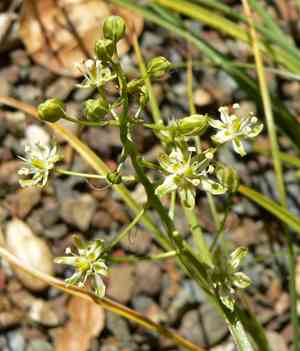
Smallflower deathcamas, a perennial species, flourishes when relocated between early and late spring, a timeframe conducive to strong root development. Select a sunny area with good drainage to facilitate ideal growth. Steer clear of excessively damp environments.
What Preparations are Needed Before Transplanting Smallflower Deathcamas?
What is the Ideal Time for Transplanting Smallflower Deathcamas?
The best period for relocating smallflower deathcamas is from early to late spring. During this time, the milder temperatures and increased moisture levels create perfect conditions for root establishment and development. Moving them in this season allows the perennial to adapt before summer's harsher conditions, promoting strong, healthy growth.
How Much Space Should You Leave Between Smallflower Deathcamas Plants?
Prior to transplanting smallflower deathcamas, position the plants approximately 6-12 inches (15-30 cm) apart. This ensures adequate room for their growth and flourishing without competing for essential resources.
What is the Best Soil Mix for Smallflower Deathcamas Transplanting?
For smallflower deathcamas, prepare soil that drains effectively. Incorporating organic matter like compost will enhance the soil's texture. A balanced base fertilizer, such as a 10-10-10 NPK blend, is perfect for stimulating growth.
Where Should You Relocate Your Smallflower Deathcamas?
Select a sunny location for transplanting smallflower deathcamas. These plants thrive in full sun, so ensure they receive at least 6 hours of sunlight daily.
What Equipments Should You Prepare Before Transplantation Smallflower Deathcamas?
Gardening Gloves
To safeguard your hands while handling soil and plants.
Shovel or Spade
For excavating around the plant and creating the new planting site.
Hand Trowel
For more precise digging and careful manipulation of the plant's root system.
Pruning Shears
To trim any damaged or excessively long roots.
Watering Can or Hose
To hydrate the plant before and after its relocation.
Mulch
To aid in retaining soil moisture around the plant post-transplanting.
How Do You Remove Smallflower Deathcamas from the Soil?
How Do You Remove Smallflower Deathcamas from the Soil?
From Ground: Hydrate the smallflower deathcamas to moisten the soil. Then, excavate a wide trench around the plant using a shovel or spade, ensuring the plant's root ball remains intact. Carefully work the spade beneath the root ball to lift the plant from its original spot.From Pot: Ensure the soil within the pot is damp. Gently tap the pot's sides to loosen the soil. Hold the plant near its base and slowly extract it, making sure the root ball stays whole.From Seedling Tray: Water the seedlings before removal. Utilize a hand trowel to carefully lift each seedling, taking care not to harm the roots. Handle seedlings by their leaves rather than their stems to prevent damage.
Step-by-Step Guide for Transplanting Smallflower Deathcamas
Plant Preparation
Thoroughly water the smallflower deathcamas a day prior to transplanting to ensure the soil is moist and the plant is well-hydrated.
Hole Preparation
Excavate a hole that is twice as wide and the same depth as the plant's root ball. This will facilitate easier root expansion.
Plant Placement
Position the smallflower deathcamas in the prepared hole at the identical depth it was growing in its initial location. Ensure the roots are spread out and not entangled.
Refilling the Hole
Backfill the hole with the original soil, gently pressing down to eliminate any air pockets. Confirm the plant remains upright.
Watering
Water the plant immediately after transplanting to help settle the soil around its roots.
How Do You Care For Smallflower Deathcamas After Transplanting?
Watering
Keep the soil around the smallflower deathcamas consistently moist, but not waterlogged, for the initial few weeks post-transplanting to aid in establishing strong roots.
Mulching
Apply a layer of mulch around the base of the smallflower deathcamas to assist in moisture retention and soil temperature regulation.
Monitoring
Regularly inspect the plant for indications of stress or disease, such as wilting or yellowing leaves, and address any issues promptly.
Support
If the smallflower deathcamas appears unstable, consider adding stakes or other supports to help the plant stand upright until its roots become stronger.
Troubleshooting Common Issues with Smallflower Deathcamas Transplantation.
When is the best time to transplant smallflower deathcamas?
Relocate smallflower deathcamas from early spring to late spring for optimal growth and establishment.
How much spacing should I leave between each smallflower deathcamas?
Space each smallflower deathcamas 6-12 inches (15-30 cm) apart to ensure healthy growth and prevent overcrowding.
How should I prepare the soil for transplanting smallflower deathcamas?
Ensure the soil is well-drained, loamy, and enriched with compost for the best growth of smallflower deathcamas.
How deep should I plant smallflower deathcamas during transplanting?
Plant smallflower deathcamas at the same depth it was growing previously to avoid stressing the plant.
What steps should I take before transplanting smallflower deathcamas?
Water smallflower deathcamas thoroughly before transplanting to reduce transplant shock and ensure root hydration.
What should I do if smallflower deathcamas wilts after transplanting?
Water immediately and provide partial shade to help smallflower deathcamas recover from transplant shock.
How often should I water smallflower deathcamas after transplanting?
Water smallflower deathcamas regularly to keep the soil moist but not waterlogged until it establishes roots.
What type of fertilizer is best for transplanted smallflower deathcamas?
Use a balanced, slow-release fertilizer to provide essential nutrients without overwhelming smallflower deathcamas.
How can I protect newly transplanted smallflower deathcamas from pests?
Monitor smallflower deathcamas for pests, use organic insecticides if necessary, and keep the area free of debris.
What is a common mistake to avoid when transplanting smallflower deathcamas?
Avoid root damage by handling smallflower deathcamas carefully and ensuring the roots stay intact during transplanting.



