How to Transplant Bent Alligator-flag?
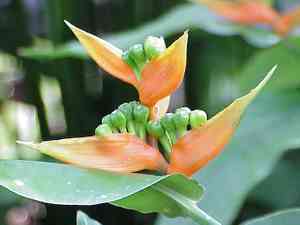
The perfect period for transplanting bent Alligator-flag is from the latter part of spring through mid-summer, which facilitates robust root development. Place bent Alligator-flag in a partially shaded, damp spot to encourage superior growth. Careful manipulation during the transfer is crucial to avoid shock.
Essential Preparations Before Relocating Bent Alligator-flag?
Optimal Period for Transplanting Bent Alligator-flag?
The best time for moving bent Alligator-flag is during the vigorous growth period of late spring to mid-summer, ensuring strong establishment and recovery. Transplanting bent Alligator-flag at this time leverages the season's warmer temperatures and extended daylight, which are perfect for root development and robust growth. Moving bent Alligator-flag then allows it ample time to strengthen before colder months arrive.
Recommended Spacing Between Bent Alligator-flag Plants?
For bent Alligator-flag, it's wise to allow ample room for development, ideally 4-6 feet (1.2-1.8 meters) apart. This provides each plant sufficient area to thrive without competing for resources, promoting healthy growth for all your plants.
Ideal Soil Mixture for Bent Alligator-flag Transplantation?
Bent Alligator-flag thrives in moist, well-drained soil, rich in organic matter. Before planting, mix compost or aged manure into the prepared area. This will create a nutrient-dense foundation, boosting the overall health and vigor of your plants.
Choosing a New Location for Your Bent Alligator-flag?
When selecting a site for your bent Alligator-flag, choose an area that receives ample sunlight but is also shielded from intense afternoon heat. This balance of sun and shade ensures optimal light exposure while minimizing the risk of sun damage.
Necessary Equipment for Transplanting Bent Alligator-flag?
Gardening Gloves
To protect your hands when handling soil and the plant.
Shovel or Spade
Required for digging holes in the ground.
Pruning Shears
For trimming the roots of the bent Alligator-flag prior to transplantation.
Trowel
Useful for excavating small plants or removing the plant from its container.
Gardening Fork
To gently lift the plant without harming its roots.
Wheelbarrow or Bucket
To transport the bent Alligator-flag plant from its original spot to the new location.
Watering Can
To hydrate the plant before and after the transplanting process.
Mulch
To suppress weeds and retain moisture post-transplantation.
Method for Extracting Bent Alligator-flag from the Soil?
Method for Extracting Bent Alligator-flag from the Soil?
From Ground: First, water the bent Alligator-flag plant to soften the soil. Next, dig a wide circle around the plant with a spade or shovel, being careful not to disturb the plant's root ball. Gradually work your gardening fork beneath the root ball to gently lift the plant from its original position.From Pot: If the bent Alligator-flag is in a pot, water it thoroughly. Turn the pot sideways, grasp the plant by its base, and apply a gentle pull. If the plant doesn't come out easily, tap the sides of the pot to loosen the soil and try again.From Seedling Tray: Water the bent Alligator-flag seedlings and carefully loosen the soil around them using a trowel. Gently lift the seedlings, ensuring not to damage the delicate roots.
Detailed Steps for Transplanting Bent Alligator-flag
Preparation
Start by watering the bent Alligator-flag thoroughly several hours before the transplanting procedure. This ensures the roots are well-hydrated and can withstand the stress of relocation.
Digging
Prepare the new hole using a shovel or spade. The hole should be twice as wide and as deep as the bent Alligator-flag's root ball.
Placement
Position the bent Alligator-flag in the hole, ensuring it stands upright. Make sure the top of the root ball is level with the ground surface.
Fill
Firmly pack soil back around the root ball, but avoid compacting the roots. Ensure there are no air pockets in the soil.
Water
After transplantation, water the bent Alligator-flag thoroughly. This will help the soil settle.
Post-Transplant Care for Bent Alligator-flag?
Immediate Care
Following the transplant of bent Alligator-flag, it's vital to water it sufficiently. Do not let the soil dry out, but also prevent waterlogging, which can suffocate the roots.
New Growth
Promote new growth by pruning any dead or damaged leaves. This will allow the bent Alligator-flag plant to direct its energy towards developing fresh foliage.
Protection
If feasible, provide temporary shade for the bent Alligator-flag for the initial few days after transplantation. This can help reduce transplant shock.
Monitoring
Closely observe the plant after transplanting, especially for signs of stress or disease. Early detection and intervention are crucial for the survival and health of your newly transplanted bent Alligator-flag.
Resolving Common Issues with Bent Alligator-flag Transplantation.
What is the optimal time to transplant bent Alligator-flag?
The best time for transplanting bent Alligator-flag is from late summer to early fall, referred to as S3-S5. Temperatures are milder, aiding the plant's adaptation.
How much space should I allow between bent Alligator-flag plants?
Ideally, bent Alligator-flag plants should be spaced 4-6 feet (1.20-1.80 meters) apart. This gives them ample room to grow without overcrowding.
What if bent Alligator-flag doesn't seem to be thriving in its new spot?
Ensure bent Alligator-flag is planted at the correct depth with adequate soil coverage. Water consistently but avoid over-saturating. The plant requires time to adjust.
How deep should the hole be when transplanting bent Alligator-flag?
The hole for bent Alligator-flag should be twice as wide as the root ball and as deep as its height. This provides the roots ample space to spread.
What kind of soil is necessary for transplanting bent Alligator-flag?
Transplant bent Alligator-flag into well-drained, nutrient-rich soil. Improve native soil with compost or organic matter if needed. Avoid heavy clay or excessively sandy soils.
Why are my transplanted bent Alligator-flag wilting?
Transplant shock could be the cause of wilting. Keep the soil adequately moist, and provide shade from intense sunlight if possible to aid recovery.
Should I prune bent Alligator-flag before transplanting?
Minor pruning of dead or diseased branches can be done before transplantation. However, avoid extensive pruning as it may further stress the plant.
What should I do if the transplanted bent Alligator-flag is not growing?
Ensure the bent Alligator-flag is watered regularly and the soil is fertile and well-drained. Also, confirm it's spaced correctly, receiving sufficient sunlight, and protected from pests.
How often should I water the newly transplanted bent Alligator-flag?
Water bent Alligator-flag thoroughly immediately after transplanting, then regularly to prevent the soil from drying out. Adjust based on weather, more frequently during dry periods.
Should I fertilize bent Alligator-flag right after transplanting?
Delay fertilizing until bent Alligator-flag has had some time to establish in its new location. Over-fertilizing immediately after transplanting can burn the roots, worsening shock.



