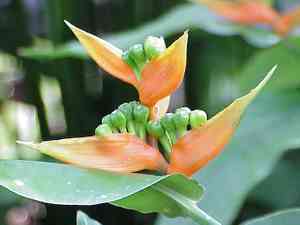
Bent Alligator-flag (Thalia geniculata)
Also known as: Fire-flag, Maranta
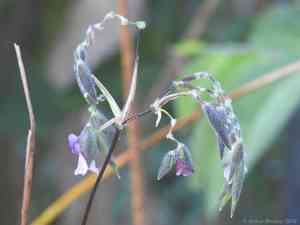
The tropical plant you're asking about is the Bent Alligator-flag (Thalia geniculata). It is frequently used as an ornamental element in pond gardens and can grow up to 3 meters tall. This plant showcases clusters of purple flowers, and its large leaves are commonly utilized in Africa to make fences, furniture, baskets, and mats.
In This Article
Attributes of Bent Alligator-flag
Lifespan
Perennial, Annual
Plant Type
Herb
Plant Height
1.8 m
Spread
60 cm to 90 cm
Leaf Color
Green
Flower Size
2.5 cm
Flower Color
Purple White
Images of Bent Alligator-flag
Quickly Identify Bent Alligator-flag
1
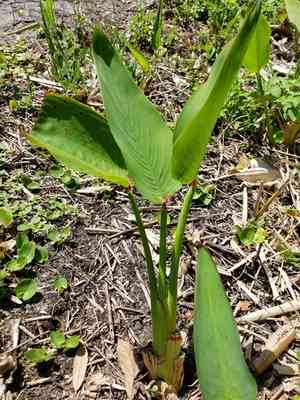
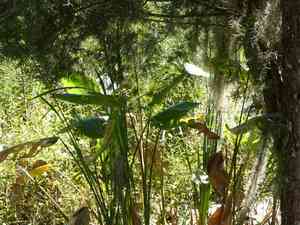
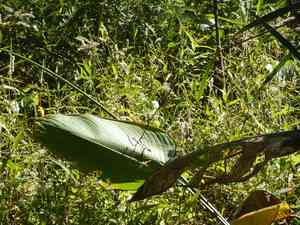
To identify Thalia geniculata, look for its distinctive large, banana-like leaves that stand tall on long petioles. The leaves can reach up to 2 meters in height. The flowers are small, purple, and emerge from tall, branched spikes. The plant is typically found in wet, marshy areas.
Scientific Classification of Bent Alligator-flag
Phylum
Vascular plants
Class
Monocotyledons
Order
Zingiberales
Family
Arrowroot
Genus
Alligator-flag
Species
Bent Alligator-flag
Planting and Growing of Bent Alligator-flag
Care Difficulty
Easy
Watering Schedule
Every 8 days
Sunlight Requirements
Full sun
Sunshine Duration
4-6 hours
Ideal Temperature
68-86℉
Soil Type
Potting Mix, Peat Mix
Soil pH
6.5-7.5
Fertilizer Type
Balanced
Pruning Season
Spring, Summer
Pruning Area
Branches, Leaves
Pruning Frequency
2 times a year
Repotting Season
Spring
Pot Type
Ceramic, Plastic
 How to Water Bent Alligator-flag?
Thalia geniculata thrives in consistently moist conditions. Aim to provide approximately 500ml of water each time you water it, ensuring the soil is thoroughly saturated without becoming waterlogged. This plant is native to wet regions and appreciates a consistent water supply to mimic its natural environment.
What are the symptoms of an underwatered Bent Alligator-flag?
›
What should I do if my Bent Alligator-flag is not getting enough water?
›
What are the symptoms of an overwatered Bent Alligator-flag?
›
How to save an overwatered Bent Alligator-flag?
›
 What Are the Sunlight Requirements for Bent Alligator-flag?
Prefers full sun to partial sun with the ideal benefit of promoting vibrant flowering and healthy foliage. Proper sunlight is crucial for maximizing photosynthetic efficiency and supporting robust plant health.
More About Sunlight Requirements Techniques→
What type of light does Thalia geniculata prefer?
›
How to ensure Thalia geniculata gets the ideal amount of light?
›
What happens if Thalia geniculata receives the ideal lighting?
›
 What Is the Ideal Temperature Range for Bent Alligator-flag?
Thalia geniculata thrives in warm conditions where temperatures are consistently maintained between 68°F and 86°F. These conditions simulate its native tropical habitats, which support optimal growth and flowering. This temperature range allows the plant to efficiently perform photosynthesis and maintain healthy metabolic rates.
 What Soil is Best for Bent Alligator-flag?
Thalia geniculata thrives in soils that retain moisture without becoming waterlogged. This moisture helps the plant maintain its lush, vibrant foliage and supports its characteristic upright growth. By ensuring the soil has good moisture retention, you promote healthy plant development and robust growth, vital for its ornamental and ecological value. This plant requires nutrient-rich substrates to support its rapid growth and vibrant color. Amending the soil with organic matter boosts its fertility and enhances the availability of essential nutrients, allowing the plant to reach its full stature and maintain its striking presence in your landscape. An important factor for Thalia geniculata's soil requirement is ensuring proper drainage. Although it needs moisture, standing water can lead to root rot. A well-draining soil mix prevents water accumulation around the roots, encouraging strong root development and reducing the risk of water-related diseases.
 How to Fertilize Bent Alligator-flag?
Thalia geniculata thrives well with moderate fertilization. Use a balanced 10-10-10 NPK fertilizer at a rate of 1 teaspoon per gallon of water for liquid feeding. Adjust the quantity according to the plant's response and growth stage, ensuring not to exceed recommended rates.
 How to Prune Bent Alligator-flag?
Begin by examining your Thalia geniculata for dead stems or leaves. Using sharp shears, trim these parts close to the base without damaging the remaining healthy foliage. Be attentive to the plant's natural shape, pruning to maintain its aesthetics and removing any overly crowded areas to improve airflow. To maintain a pleasant shape, trim stalks that appear leggy or excessively long. This not only enhances the plant’s appearance but also directs energy toward producing healthier shoots and blooms.
More About Pruning Techniques→
 How to Propagate Bent Alligator-flag plant?
1
Start by preparing a seed tray with a well-draining seed-starting mix. Sow the seeds lightly on the surface and cover them with a thin layer of soil. Maintain moisture by misting with water regularly.
2
For division, lift the plant carefully from the soil and gently separate the rhizomes. Each division should have at least one strong growing point. Replant the divided rhizomes in suitable soil.
3
Once the seeds have germinated and seedlings are strong enough, prepare to transplant them outdoors. Choose a location with partial sun and moist soil. Space the plants adequately to allow for growth.
 How to Repot Bent Alligator-flag plant?
1
Repot Thalia geniculata when you notice significant root growth circling around the pot's edges or when the plant begins to outgrow its space, typically every spring or summer. Also, if you observe the soil quality declining or water drainage becoming poor, it's a good time to consider repotting. Healthy growth can be encouraged by choosing just the right moment for this task.
2
Select a pot that is about 2 inches larger in diameter compared to the current one. Ensure it has sufficient drainage holes to prevent waterlogging, which can harm the roots. A slightly larger pot will provide room for the roots to expand without excessive empty soil, which can retain too much moisture and potentially lead to root rot.
3
Use a loamy, well-draining soil that retains some moisture but doesn't stay soggy. This kind of soil mix ensures adequate aeration and prevents root rot while providing essential nutrients for healthy growth. Including organic matter can also enhance soil fertility, thereby promoting robust plant health.



