How to Transplant Red-seed dandelion?
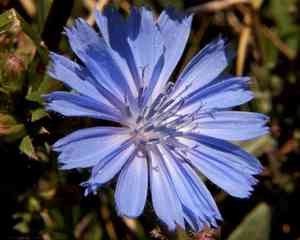
The most favorable period for relocating red-seed dandelion is in the spring, leveraging the moderate warmth and damp earth to encourage vigorous development. Select a location that receives full sun to partial shade, featuring soil that drains effectively. Careful manipulation is crucial to safeguard the fragile root structure.
Essential Preparations Before Relocating Red-seed Dandelion?
Optimal Period for Red-seed Dandelion Relocation?
The prime time for moving red-seed dandelion is during the spring months. This allows red-seed dandelion to establish its root system in mild weather, which is ideal for growth. Transplanting red-seed dandelion in this season leverages moderate temperatures and increased moisture, promoting robust root development and adaptation. A friendly reminder: your red-seed dandelion will thrive in soft, fertile spring soil, which eases its transition and encourages abundant blooms!
Required Spacing Between Red-seed Dandelion Plants?
When relocating red-seed dandelion, ensure adequate room for growth. Ideally, position each plant approximately 1-2 feet (30-60 cm) apart. This promotes strong root development and prevents overcrowding, allowing each plant to flourish.
Ideal Soil Blend for Red-seed Dandelion Transplanting?
Preparing the soil for red-seed dandelion involves creating a well-draining mixture. Incorporate sand or perlite into a loamy soil base for effective drainage. Add some slow-release fertilizer. This will supply the necessary nutrients for the plant over an extended period.
Recommended Location for Your Red-seed Dandelion?
Consider red-seed dandelion's sunlight requirements when selecting the new site. It thrives in full sun or partial shade. Excessive shade could hinder its growth, so ensure it receives sufficient sunlight throughout the day.
Necessary Equipment for Red-seed Dandelion Transplantation?
Gardening Gloves
To safeguard your hands while handling soil and red-seed dandelion.
Shovel or Spade
To carefully dig around the plant and extract it without harming its root system.
Pruning Shears
To trim any damaged or excess roots prior to transplanting.
Garden Hoe
To prepare the new planting area.
Watering Can
To hydrate the plant before and after relocation.
Burlap
To wrap and safeguard the root ball during transportation if moving a significant distance.
Gardening Trowel
To excavate the hole in the new spot.
Method for Extracting Red-seed Dandelion from Soil?
Method for Extracting Red-seed Dandelion from Soil?
From Ground: First, moisten the red-seed dandelion plant to dampen the soil. This facilitates easier, damage-free removal. Dig a wide circle around the plant with a shovel, being careful not to cut into the root ball. Gently pry the plant out of the ground with the shovel, lifting from beneath.From Pot: Water the potted red-seed dandelion thoroughly, then turn the pot on its side. While gently pulling the base of the stems, tap the pot's edge to loosen the plant. If it doesn't release, carefully run a knife along the pot's inner rim.From Seedling Tray: Use a dibber or a pencil to carefully lift the seedling from its cell. Avoid pulling on the stem; instead, lift from the roots. For small seedlings, you can invert the tray and gently tap until they fall out.
Detailed Guide for Transplanting Red-seed Dandelion
Preparing the New Location
Use your garden hoe to prepare the new site for red-seed dandelion. Smooth the soil and remove any rocks or debris.
Excavating the Hole
Dig a hole twice as wide and as deep as red-seed dandelion's root ball. Set the excavated soil aside for backfilling.
Planting
Unwrap the red-seed dandelion plant's root ball from the burlap, and position it in the hole. The plant should sit level with or slightly above the surrounding soil. Backfill the hole, gently firming the soil around the roots.
Watering
After planting your red-seed dandelion, water it thoroughly. Be careful not to overwater, as this can suffocate the roots and create an unfavorable growing environment.
Post-Transplantation Care for Red-seed Dandelion?
Watering
Until your red-seed dandelion plant is established, ensure a consistent watering schedule, preferably in the mornings to prevent fungal issues that can arise from cool, damp conditions.
Pruning
Remove any dead or damaged leaves to help your red-seed dandelion plant direct its energy towards new growth, which also aids in disease prevention.
Protection
Consider applying a layer of mulch around the base of your red-seed dandelion to shield it from extreme temperatures and maintain soil moisture.
Monitoring
Regularly inspect your red-seed dandelion plant for any signs of distress such as wilted, yellow, or browning leaves. If a problem is observed, adjust care as needed; this might involve relocating the plant to a more suitable spot or modifying watering and care routines.
Addressing Common Issues with Red-seed Dandelion Transplantation.
When is the optimal time to transplant red-seed dandelion?
The best seasons for transplanting red-seed dandelion are late spring to early fall, which correspond to seasons 1-3.
What spacing should I maintain between my red-seed dandelion plants during transplanting?
Keep a distance of 1-2 feet (30-60 cm) between each red-seed dandelion plant. This will provide ample room for their unrestricted growth.
How deep should I plant my red-seed dandelion seedlings?
The transplant hole for red-seed dandelion should be deep enough to cover the root ball plus 1 inch (2.5 cm). Holes that are too deep may lead to root rot.
What kind of soil is most suitable for red-seed dandelion?
Red-seed dandelion prefers well-draining soil with a neutral to slightly acidic pH. A sandy loam soil type typically works best.
I've transplanted red-seed dandelion, but they aren't thriving. What could be the issue?
It might be a soil problem. Verify if your soil drains well and has the correct pH. Also, ensure the plant receives sufficient sunlight.
Why are the leaves of my transplanted red-seed dandelion turning yellow?
Yellow leaves could indicate overwatering, inadequate drainage, or a nutrient deficiency. Adjust irrigation, improve soil drainage, and consider a balanced fertilizer.
How much sunlight does a transplanted red-seed dandelion require?
Red-seed dandelion thrives in sunlight. Ensure your transplanted red-seed dandelion receives at least 6-8 hours of sunlight daily.
How should I water my red-seed dandelion after transplanting?
Water generously after transplanting, keeping the soil consistently moist, but not waterlogged. Then transition to a deep watering technique, once a week, after the plant establishes.
Are there any specific care instructions for red-seed dandelion after transplanting?
Red-seed dandelion are quite resilient. Simply ensure well-drained soil, ample sunlight, and a moderate amount of regular watering.
Should I use any fertilizers when transplanting red-seed dandelion?
A balanced slow-release fertilizer during transplanting can help red-seed dandelion establish itself. However, it's not essential, as red-seed dandelion is not a heavy feeder.



