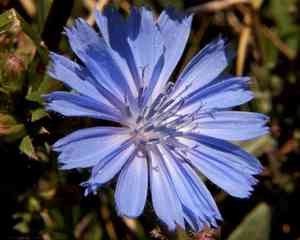
Red-seed dandelion (Taraxacum erythrospermum)
Also known as: Red-seeded dandelion, Smooth dandelion
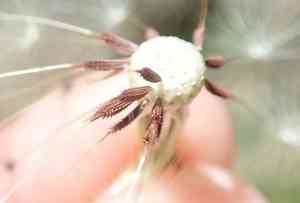
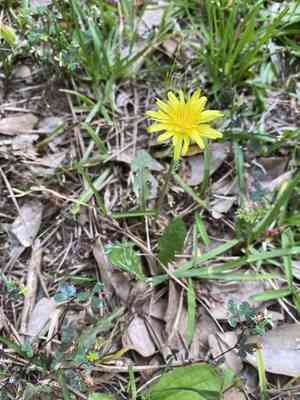
The Red-seed dandelion (Taraxacum erythrospermum) is frequently confused with the traditional dandelion. However, it can be distinguished by its reddish to brown seeds and its narrower, deeply lobed leaves. This species is prevalent in many regions of North America, particularly in the northern areas.
In This Article
Attributes of Red-seed dandelion
Lifespan
Perennial, Biennial
Plant Type
Herb
Plant Height
5 cm to 30 cm
Spread
30 cm
Leaf Color
Green
Flower Size
1.5 cm to 3.5 cm
Flower Color
Yellow
Images of Red-seed dandelion
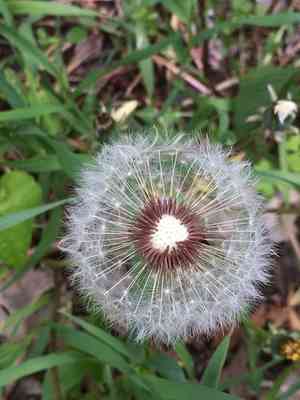
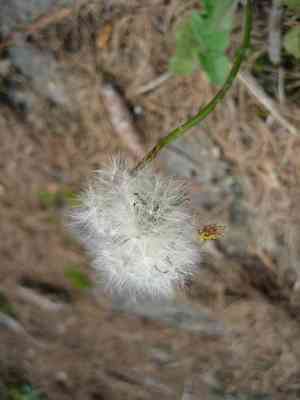
Quickly Identify Red-seed dandelion
1
Taraxacum erythrospermum can be identified by its reddish achene (seed) color, deeply lobed leaves, and yellow flowers that appear from early spring to late fall. The flower heads are about 2 to 5 cm in diameter.
Scientific Classification of Red-seed dandelion
Phylum
Vascular plants
Class
Dicotyledons
Order
Asterales
Family
Daisy
Genus
Dandelions
Species
Red-seed dandelion
Planting and Growing of Red-seed dandelion
Care Difficulty
Easy
Watering Schedule
Every 2 days
Sunlight Requirements
Full sun
Sunshine Duration
6-10 hours
Ideal Temperature
60-75℉
Soil Type
Potting Mix, Peat Mix
Soil pH
6.5-7.5
Fertilizer Type
Balanced
Pruning Season
Spring, Summer
Pruning Area
Branches, Leaves
Pruning Frequency
2 times a year
Repotting Season
Spring
Pot Type
Plastic, Ceramic
 How to Water Red-seed dandelion?
Taraxacum erythrospermum prefers a moderate amount of water, approximately 200ml per watering. The soil should be moist but not soggy. Make sure the top inch of soil dries out between waterings, preventing waterlogging while still keeping the root zone adequately hydrated.
What are the symptoms of an underwatered Red-seed dandelion?
›
What should I do if my Red-seed dandelion is not getting enough water?
›
What are the symptoms of an overwatered Red-seed dandelion?
›
How to save an overwatered Red-seed dandelion?
›
 What Are the Sunlight Requirements for Red-seed dandelion?
Taraxacum erythrospermum ideally thrives in full sun or partial sun, with benefits including robust growth, vibrant blooms, and healthy foliage. Adequate light helps maintain its natural cycle, promoting vigorous development and resilience against pests and diseases.
How much sun does Taraxacum erythrospermum need?
›
What if my space has partial sun?
›
How to maintain consistent light?
›
 What Is the Ideal Temperature Range for Red-seed dandelion?
The ideal temperature range for growing Taraxacum erythrospermum is between 60°F and 75°F. This range provides a suitable environment that supports optimal growth and physiological functions, ensuring the plant thrives. Maintaining this temperature helps in achieving healthy leaf development and optimal flowering.
 What Soil is Best for Red-seed dandelion?
Taraxacum erythrospermum thrives in well-draining soil. This prevents waterlogging that can rot roots, promoting healthy plant growth and vibrant foliage. Richness in organic matter ensures that the plant receives ample nutrients, boosting its growth and enhancing its resilience to pests and diseases. While the soil should drain well, it must retain some moisture, providing a consistent environment that supports the plant's water needs without drowning it.
 How to Fertilize Red-seed dandelion?
For Taraxacum erythrospermum, ensuring the right amount of fertilizer is critical. You should use about 1/4 to 1/2 teaspoon of liquid fertilizer per gallon of water. This allows the plant to get sufficient nutrients without overwhelming its roots.
 How to Prune Red-seed dandelion?
Begin by identifying the flowering stalks and cut them back to the base once the flowers have faded. This step helps prevent seed formation and encourages new flowering. Trim away any damaged or diseased leaves you encounter. This not only improves aesthetics but also ensures the plant's nutrients are directed to healthy growth.
 How to Propagate Red-seed dandelion plant?
1
Prepare the seed tray with the sterile potting mix, ensuring it is moist but not waterlogged. Scatter the Taraxacum erythrospermum seeds evenly across the surface. Cover them lightly with a thin layer of soil, as they require some light exposure to germinate.
2
Moisture is critical for seed germination. Water the seeds gently using a spray bottle to avoid disturbing the soil. Maintain consistent soil moisture by checking daily, ensuring that the top layer doesn't dry out completely.
3
Place the seed tray in a warm area with plenty of indirect sunlight, as this will promote faster germination. Ideally, maintain a temperature of around 15-20°C (59-68°F) for optimal growing conditions.
 How to Repot Red-seed dandelion plant?
1
Taraxacum erythrospermum needs repotting when you notice the roots begin to circle the pot, indicating they are root-bound. Another sign is when water sits on top of the soil, which shows soil compaction. Lastly, if the plant's growth has stalled despite adequate care, it might be time for a new pot.
2
When selecting a pot for Taraxacum erythrospermum, ensure it has adequate drainage holes to prevent waterlogging. A clay pot is ideal as it allows moisture to evaporate more effectively, preventing overwatering. Always choose a pot just one size larger than the current one to keep the plant secure and maintain proper root-bound conditions.
3
Opt for sandy, well-draining soil that mimics the plant's natural environment. This soil type prevents water from sitting too long, thus avoiding root rot. Incorporating organic matter such as compost enhances soil fertility and promotes healthy growth.
Learn More About Red-seed dandelion Diseases
Anthracnose
Bacterial Leaf Spot
Bacterial Soft Rot
Bacterial Wilt
Chemical Injury
Cyst Nematode
Damping-off
Downy Mildew
Drought Stress
Fusarium Wilt
Gray Mold
Leaf Spot
Mosaic
Nutrient Deficiency
Nutrient Toxicity
Powdery Mildew
Root Rot
Root-knot Nematode
Rusts
Sooty Mold
Spider Mites
Temperature Stress
Thrips Damage
White Mold



